
Tools
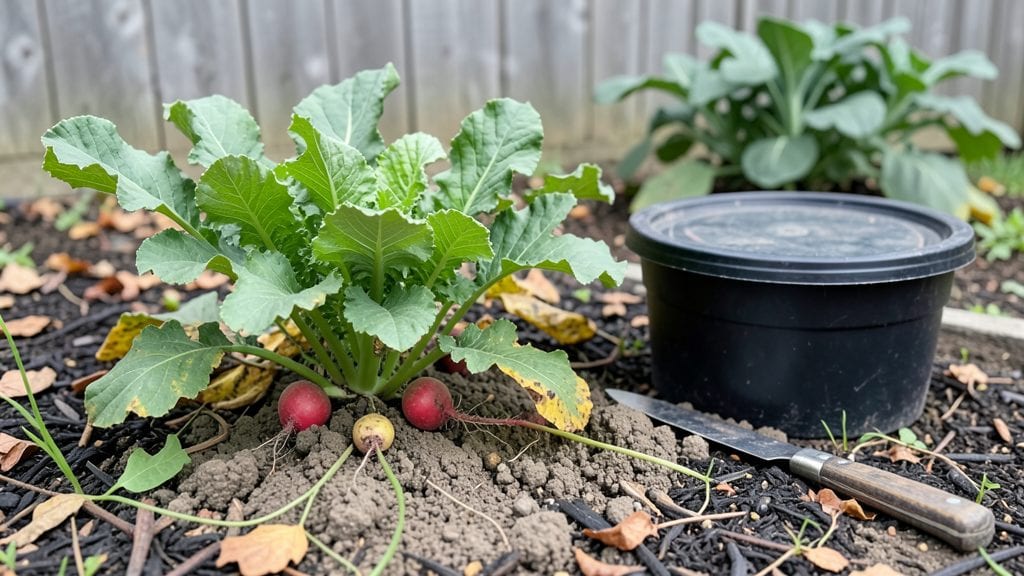
Storing garden radishes properly means enjoying their crisp crunch for up to 2 weeks—not just a few days. I learned the hard way that damp paper towels and plastic bags turn radishes rubbery in no time.
The secret lies in keeping them dry, cool, and organized, whether you're storing them in the fridge or prepping for long-term use.
You’ll need a few simple supplies: a perforated plastic bag, a damp paper towel (not dripping wet), and a crisper drawer in your fridge. Radish greens should always be trimmed and stored separately—they wilt fast and steal moisture from the roots.
For long-term storage, you can even freeze radishes after blanching, though texture changes slightly.
When done right, your radishes stay snappy and sweet, ready for salads or snacks whenever you want. The key is checking them weekly for soft spots or mold—the first signs they’ve gone bad. With this method, you’ll waste far fewer radishes than you think possible.
Works for fresh-market radishes too, so you can stock up when they’re abundant at the farmers' market. Here’s how to make it work without any guesswork.
📚 In This Guide
- What you need
- Instructions
- Tips and common mistakes
- Wrapping up and next steps
What you need
- ● Freshly harvested radishes – Choose firm, unblemished radishes (avoid soft or sprouted ones). Aim for 1–2 pounds (or however many you’ve harvested!).
- ● Paper towels or clean kitchen towel – A single roll or enough to pat dry all radishes thoroughly.
- ● Plastic bag (resealable) – Opt for a gallon-sized bag with a zip-top closure (or a breathable produce bag if available).
- ○ Optional: Vented storage container – A plastic or glass container with small holes (like a veggie keeper) to reduce moisture buildup.
- ○ Optional: Airtight container with lid – For long-term storage (1 week max), use a small, lidded container (like a Tupperware) with a paper towel lining.
- ○ Optional: Refrigerator space – A crisper drawer (if your fridge has one) is ideal for humidity control.
- ● 💡 Skip the washing! – Moisture speeds up spoilage. Only rinse if absolutely necessary (pat dry immediately after).
- ● 🌡️ Temperature matters. – Store radishes at 35–40°F (2–4°C) for peak freshness.
- ● 🎯 Separate greens if present. – Trim radish tops (if harvested) and store them separately in a damp paper towel.
Step-by-step instructions for storing garden radishes
Keep your homegrown radishes fresh and crisp with these simple storage methods.
Harvest Radishes at Peak Ripeness
Harvest radishes when they reach your desired size but before they become woody or sprout flowers. I pull mine when the roots are firm and crisp—usually around 2-3 weeks after planting. Use a garden fork or your hands to gently loosen the soil around the radishes, then lift them carefully to avoid bruising.
Shake off excess dirt but don’t rinse them yet. Wet radishes store poorly because moisture encourages rot. Instead, brush off any clinging soil with your fingers or a damp cloth. This keeps the outer skin intact, which protects the radish from drying out.
Trim and Prepare for Storage
Remove any green tops (leaves) from the radishes, leaving about ½ inch of stem attached. The greens draw moisture from the root, so cutting them off extends freshness. Use a sharp knife or kitchen shears to make a clean cut just above the root.
Inspect each radish for cuts, bruises, or soft spots. Discard any damaged ones immediately—they’ll spoil quickly and spread rot to the rest. Store only the firm, unblemished radishes, as even minor damage shortens their shelf life significantly.
Choose the Right Storage Method
For short-term storage (up to 5 days), place radishes in a perforated plastic bag or a breathable container lined with a paper towel. The towel absorbs excess moisture, preventing sogginess. Store them in the crispest part of your refrigerator, usually the vegetable drawer.
For longer storage (up to 2 weeks), wrap each radish individually in a dry paper towel or place them in a sealed container with a moisture-absorbing packet (like a silica gel packet or a folded paper towel). Keep them in the refrigerator’s highest humidity drawer—this mimics their natural growing conditions and slows wilting.
Monitor and Rotate Storage
Check your stored radishes every 2-3 days for signs of spoilage, such as soft spots, mold, or a slimy texture. Remove any radishes that show these signs immediately to prevent the rest from deteriorating. I like to rotate older radishes to the front of the container so I use them first.
If radishes start to dry out or shrink, they’ve lost moisture and become less crisp. In this case, soak them in cold water for 10-15 minutes before using to restore some freshness. However, this works best for cooking—if you want them raw and crisp, it’s better to use them sooner rather than later.
Freeze for Long-Term Use (Optional)
If you’ve harvested more radishes than you can use within 2 weeks, freezing is a great backup. Peel and slice the radishes, then blanch them in boiling water for 2 minutes before plunging into an ice bath. Drain well and package in airtight freezer bags, squeezing out excess air.
Frozen radishes are best for cooked dishes like soups or stir-fries—they lose some crispness but retain their flavor. Label the bags with the date and use within 6-8 months for the best quality. Thaw only what you need and use immediately to avoid texture loss.
Tips & tricks for perfectly stored garden radishes
Keeping radishes fresh and crisp takes just a few smart steps—here's how to maximize their shelf life and avoid common mistakes.
Harvest Timing: The 2-3 week window for harvesting is crucial. Radishes left too long in the ground become woody and bitter, while those harvested too early may not develop their full flavor. I always check for firmness and size—if they're still small but firm, they're ready. Harvest on a dry day to prevent soil from sticking, which can lead to rot during storage.
Preparation Matters: Leaving even a small portion of the green tops attached can draw moisture from the radish, causing it to wilt faster. When trimming, make a clean cut just above the root with a sharp knife to prevent bruising. I've found that using kitchen shears gives me the most control for this delicate task, especially when working with a large harvest.
Storage Environment: Radishes thrive in the refrigerator's highest humidity drawer, which mimics their natural growing conditions. If your fridge doesn't have adjustable humidity settings, place a small bowl of water in the drawer to increase moisture. For the 5-day short-term storage method, I prefer perforated bags—they allow just enough airflow to prevent condensation while keeping dirt out.
Freezing Strategy: When following the 2-minute blanching step, make sure to test the water temperature first—it should be boiling vigorously. After the ice bath, drain radishes thoroughly and pat them dry before packaging. This extra drying step prevents ice crystals from forming, which can make frozen radishes mushy when thawed. I always portion them into individual serving sizes before freezing to make future use more convenient.
Pro Tips for Store Garden Radishes
- Keeping radishes fresh and crisp takes just a few smart steps—here's how to maximize their shelf life and avoid common mistakes.
- Harvest Timing: The 2-3 week window for harvesting is crucial.
- Preparation Matters: Leaving even a small portion of the green tops attached can draw moisture from the radish, causing it to wilt faster.
Frequently asked questions
Got questions about keeping your radishes fresh and tasty?
Here are answers to the most common ones—so you can enjoy crisp, flavorful radishes for days (or even weeks!) after harvest.
How long can radishes last in the fridge?
Fresh radishes typically stay crisp for 7–14 days when stored properly in the fridge. For longer storage (up to 3 weeks), wrap them in a damp paper towel and place in a sealed container with a bit of moisture. Avoid washing them until ready to eat—excess water speeds up spoilage!
Can I store radishes in the freezer?
Radishes aren’t ideal for freezing—they turn mushy and lose their crunch. However, if you must, blanch them for 2 minutes, cool quickly, and freeze in a single layer before bagging. They’re best for cooked dishes (like soups or roasted sides) rather than raw eating.
What’s the best way to store radishes with greens still attached?
If the greens are still edible, trim them to 1–2 inches and store the radishes and greens separately. Radishes last longer without greens (which draw moisture), but you can keep greens wrapped in a damp cloth in the crisper drawer for 3–5 days—use them in salads or sautéed dishes!
Why are my radishes turning soft or sprouting?
Soft radishes usually mean overcrowding or excess moisture. Ensure they’re not touching in storage and check for condensation in containers. Sprouting happens when exposed to light—store them in a dark, cool spot (like a crisper drawer) and they’ll stay firm longer. Discard any slimy or moldy radishes immediately!
Can I store radishes at room temperature?
No—radishes spoil quickly at room temperature (within 1–2 days). They’re best kept in the fridge’s crisper drawer (high humidity setting) or a sealed container with a paper towel to absorb moisture. If you’re short on fridge space, a cool pantry (under 60°F) works for 24–48 hours max.
Pro Tip:
For extra freshness, store radishes in a perforated plastic bag with a slice of apple or a carrot—ethylene gas from these veggies can actually slow down spoilage! Just don’t let them get too crowded.
Wrapping up and next steps
Storing garden radishes the right way keeps them crisp, flavorful, and ready to enjoy—whether you’re snacking straight from the garden or prepping for meals. With just a few simple steps, like trimming, drying, and choosing the perfect container, you can extend their freshness for up to two weeks.
Don’t let your hard work go to waste—harvest, store, and savor every crunch!
Now that you’re a radish-storage pro, why not put your skills to use? Try whipping up a fresh radish salad, pickling your extras, or even gifting a few to a neighbor. Happy gardening—and happy eating! 🌱💚