
Tools
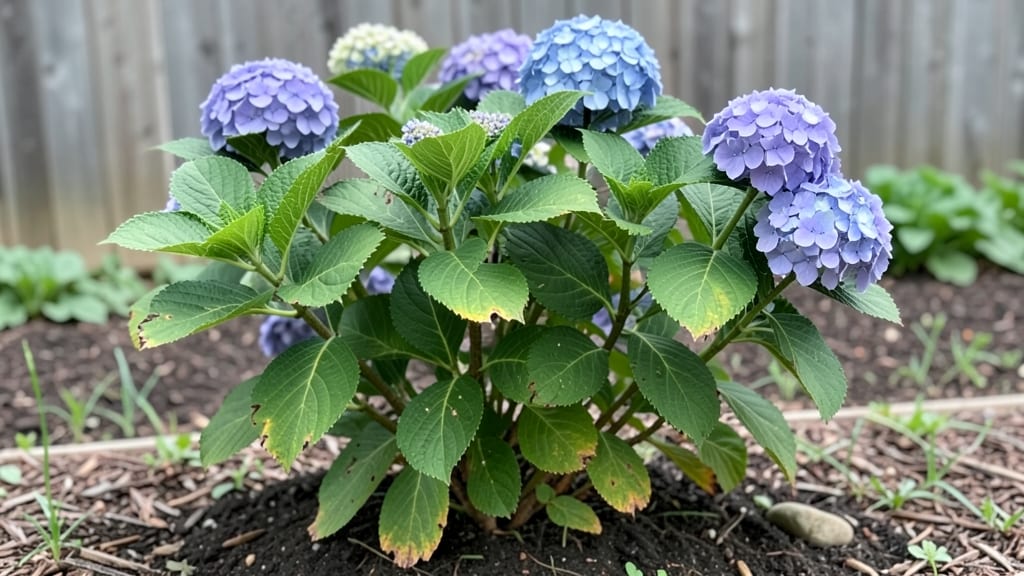
A hydrangea flower garden transforms any yard into a fragrant, ever-changing canvas—where blooms shift from sky-blue to blush pink depending on soil pH. I designed mine after realizing how much drama a single shrub could bring, and now my front yard feels like a living watercolor.
The secret isn’t just choosing varieties—it’s layering them so something’s always in bloom, from late spring through fall.
Start with 3-5 hydrangeas in different shades (like ‘Endless Summer’ for reliability and ‘Nikko Blue’ for drama) and pair them with low-maintenance companions—hostas for shade, lavender for fragrance, or ornamental grasses to sway in the breeze.
Containers work too: dwarf varieties like ‘Little Lime’ spill over pots on patios, while larger ones anchor borders. The key is spacing them 3-6 feet apart so each plant gets airflow and sunlight without competing.
You’ll love waking up to blooms that change with the seasons—blue in acidic soil, pink in alkaline—and the way they attract butterflies while keeping maintenance simple.
Prune just once a year (after blooming), and you’ll have bold color for months, with some varieties even holding dried flowers into winter. The fragrance alone makes it worth the effort.
Works in zones 3-9, from coastal gardens to inland climates—just pick varieties that suit your heat or humidity. My favorite trick? Planting hydrangeas near a seating area so you can enjoy the show up close. Ready to create your own fragrant masterpiece?
📚 In This Guide
- What you need
- Instructions
- Tips and common mistakes
- Wrapping up and next steps
What you need
- ● Hydrangea plants: Choose 3–5 varieties (e.g., Hydrangea macrophylla, H. paniculata, or H. arborescens) for year-round color. Buy 1–2 plants per variety (bare-root or potted).
- ● High-quality garden soil: 10–20 bags (50 lb. each) of well-draining potting mix or native soil amended with 3–4 inches of compost.
- ● Mulch: 5–10 bags of organic mulch (e.g., shredded bark or pine straw) to retain moisture and suppress weeds.
- ● Slow-release fertilizer: 1–2 bags of balanced 10-10-10 or acid-loving plant fertilizer (for macrophylla varieties).
- ○ Peat moss or pine bark fines: 2–3 bags (optional but ideal for acid-loving hydrangeas).
- ● Garden trowel: 1 medium-sized (for planting and transplanting).
- ● Pruning shears: 1 pair of sharp, bypass-pruning shears (sterilized with rubbing alcohol).
- ● Garden gloves: 1 pair of durable, breathable gloves (to protect from thorns and soil).
- ● Watering can or hose: 1 with a gentle spray nozzle (hydrangeas love consistent moisture!).
- ● Wheelbarrow or bucket: 1 for mixing soil amendments.
- ○ pH testing kit: 1 (optional but helpful to monitor soil acidity, ideal range: 5.2–6.0 for macrophylla).
- ● Stakes or garden twine: 5–10 stakes (4–6 ft. tall) + twine (for supporting larger varieties like paniculata).
- ● Epsom salt: 1–2 small bags (for boosting macrophylla bloom size; mix 1 tbsp per gallon of water monthly).
- ● Rain gauge: 1 (to track watering needs—hydrangeas prefer 1–1.5 inches of water weekly).
- ● Garden kneeler: 1 (for comfort during planting and maintenance).
- ● Decorative rocks or edging: For a polished garden border (e.g., black lava rocks or cedar mulch).
- ● Birdhouses or hummingbird feeders: To attract pollinators and add charm to your garden! 🐦💦
Instructions for designing a stunning hydrangea flower garden
Here’s how to create a lush, year-round hydrangea display that thrives with minimal fuss.
Select and Prepare Planting Locations
Hydrangeas thrive in partial shade to full sun, but the exact light requirements vary by variety. Bigleaf hydrangeas (Hydrangea macrophylla) prefer morning sun and afternoon shade, especially in hot climates, while panicle types (Hydrangea paniculata) tolerate full sun. Choose spots with well-draining soil—hydrangeas hate soggy roots, which can lead to root rot.
Dig a hole twice as wide and deep as the root ball to encourage outward root growth. Gently loosen the roots if they’re circling the pot, and place the plant at the same depth it was growing in the container. This ensures the plant’s crown sits just above soil level—burying it too deep suffocates the roots.
Amend Soil for Optimal Growth
Hydrangeas love rich, slightly acidic soil (pH 5.5–6.2 for blue blooms, 6.5–7.0 for pink). Mix 2–3 inches of organic compost into the native soil to improve fertility and drainage. If your soil is heavy clay, blend in 1 part perlite or coarse sand for every 3 parts soil to prevent compaction.
For acid-loving varieties, add sulfur or aluminum sulfate according to soil test recommendations. Avoid over-amending—too much acidity can harm roots. Water the amended soil thoroughly to help nutrients settle around the roots. You’ll see stronger stems and more vibrant blooms within 4–6 weeks if the soil conditions are right.
Plant and Water for Establishment
Backfill the hole with the amended soil, pressing gently to remove air pockets but not compacting too tightly. Water deeply to encourage roots to spread outward. Hydrangeas need 1–1.5 inches of water weekly, but check soil moisture—top inch dry is the cue to water again. Mulch around the base with 2–3 inches of organic mulch (like shredded bark) to retain moisture and regulate soil temperature.
Within 2–3 weeks, new growth should emerge. If leaves appear yellow or wilted, the plant may be struggling with overwatering or poor drainage. Adjust your watering schedule and ensure the soil isn’t staying soggy. Prune any dead or damaged stems now to redirect energy to new growth.
Prune for Seasonal Blooms and Shape
Timing matters for pruning. Bigleaf hydrangeas bloom on old wood, so prune right after flowering (late summer/early fall) to shape the plant. Remove 1/3 of the oldest stems to encourage new blooms next season. Panicle hydrangeas, which bloom on new wood, can be pruned in late winter or early spring to control size and shape.
Use clean, sharp pruners to make cuts at a 45-degree angle just above a leaf node or bud. Avoid cutting into the center of the plant—this invites pests and reduces airflow. After pruning, fertilize lightly with a balanced, slow-release fertilizer to support new growth. You’ll notice fuller foliage and more abundant blooms within 6–8 weeks.
Maintain Year-Round Color and Health
Hydrangeas reward consistent care with bold, long-lasting blooms. In spring, apply a mulch top-dressing to replenish nutrients. Monitor for aphids or powdery mildew—spray with neem oil at the first sign of trouble. Deadhead spent blooms (except on old-wood varieties) to encourage reblooming and keep the plant tidy.
Adjust soil pH annually if you’re growing blue or pink varieties—add lime for pink blooms or sulfur for blue. Watch for leaf scorch in hot weather—this signals underwatering or too much sun. Move plants to a shadier spot if leaves crisp or brown. With proper care, your hydrangeas will deliver seasonal color from late spring through fall.
Tips & tricks for perfect hydrangea flower garden design
Creating a thriving hydrangea garden requires attention to detail that transforms good intentions into stunning results. Here are the insights I've gathered from years of working with these vibrant plants.
Soil Preparation Secret: When amending soil in Step 2, consider adding a handful of coffee grounds to the compost mixture for acid-loving varieties. The organic matter breaks down quickly and provides additional nutrients while helping maintain the ideal pH range of 5.5-6.2 for blue blooms. I've found this simple addition can make a noticeable difference in flower intensity within those critical 4-6 weeks after planting.
Planting Depth Precision: The crown placement in Step 1 is more important than most gardeners realize. If you bury the crown too deeply, you risk suffocating the plant's root system. To verify proper depth, look for the point where the roots transition to the stem—this should sit just above soil level. A simple trick is to draw a line on the root ball before planting to serve as your reference point.
Watering Strategy: The 1-1.5 inches of weekly water specified in Step 3 should be delivered in deep waterings rather than frequent light sprinkles. I recommend watering at the base of the plant early in the morning to allow foliage to dry completely by evening, reducing disease risk. For clay soils, consider installing a soaker hose to ensure even moisture distribution without disturbing the soil structure.
Pruning Timing: The distinction between old wood and new wood bloomers in Step 4 can't be overstated. For bigleaf varieties, I wait until after the first flush of blooms has faded completely before pruning in late summer. This ensures you're not accidentally removing next year's flower buds. For panicle types, I make my cuts in late winter when the plant is still dormant but before new growth appears.
Pro Tips for Hydrangea Flower Garden
- Creating a thriving hydrangea garden requires attention to detail that transforms good intentions into stunning results.
- Soil Preparation Secret: When amending soil in Step 2, consider adding a handful of coffee grounds to the compost mixture for acid-loving varieties.
- Planting Depth Precision: The crown placement in Step 1 is more important than most gardeners realize.
Frequently asked questions
Got questions about creating your dream hydrangea flower garden? You’re not alone! Here are answers to the most common queries—from planting tips to troubleshooting—to help you grow lush, vibrant blooms all season long.
When is the best time to plant hydrangeas?
Plant hydrangeas in early spring or fall when temperatures are mild (50–70°F). This gives roots time to establish before extreme heat or cold. Avoid planting in summer’s scorching heat—it stresses young plants. For container hydrangeas, you can plant anytime, but spring is ideal for maximum blooms!
How often should I water my hydrangeas?
Hydrangeas love consistent moisture, especially in their first year. Water 1–2 inches per week, more in hot/dry climates. Mulch around the base to retain moisture and prevent soil evaporation. Overwatering can cause root rot, so ensure well-draining soil. Pro tip: Check soil moisture by sticking your finger 2 inches deep—if it’s dry, water!
Can I change the color of my hydrangea blooms?
Yes! The color of mophead and lacecap hydrangeas depends on soil pH:
- Blue blooms: Acidic soil (pH < 6.0). Add sulfur or aluminum sulfate.
- Pink/red blooms: Neutral or alkaline soil (pH > 7.0). Use lime.
Why aren’t my hydrangeas blooming?
Several factors can stunt blooms:
- Too much nitrogen: Fertilizers high in N (first number) promote leaves over flowers. Use a balanced 10-10-10 or bloom-focused fertilizer instead.
- Pruning at the wrong time: Prune bigleaf hydrangeas after blooming (late summer/fall) or you’ll cut off next year’s buds.
- Insufficient sunlight: Most hydrangeas need partial shade (4–6 hours of sun). Too much shade = fewer blooms.
What’s a great low-maintenance hydrangea for beginners?
Start with these hardy, forgiving varieties:
- ‘Endless Summer’ Hydrangea: Reblooms all season; thrives in sun or shade.
- Oakleaf Hydrangea (H. quercifolia): Disease-resistant, stunning fall foliage, and fragrant blooms.
- PeeGee Hydrangea (H. paniculata): Drought-tolerant, late-season blooms, and dramatic cone shapes.
Wrapping up and next steps
Creating a hydrangea flower garden is a rewarding way to bring year-round color and fragrance to your outdoor space—whether you’re a seasoned gardener or just starting out! 🌸 From selecting the right varieties to mastering care tips, these bold blooms will thrive with a little patience and love.
Now that you’re equipped with the tools, techniques, and answers to common questions, it’s time to roll up your sleeves and get planting!
Your next step? Sketch a simple layout for your garden bed, pick your favorite hydrangea colors, and start prepping the soil. Before you know it, you’ll be enjoying lush, fragrant blooms that turn heads—and maybe even inspire your neighbors to start their own hydrangea haven! 🌿