
Tools
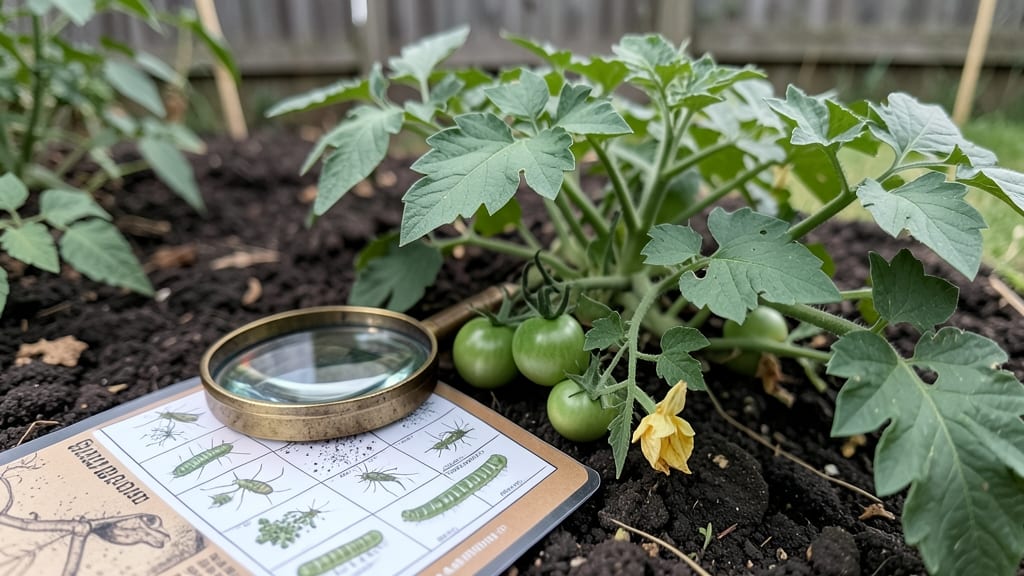
Identifying garden pests starts with knowing what to look for—and I’ve spent years squinting at leaves, stems, and soil to spot the difference between harmless visitors and plant-killing invaders. 🌿 The key is learning their telltale signs: chewed leaves, sticky residue, or tiny eggs clinging to undersides.
Aphids leave curled leaves and honeydew trails; slugs create silvery slime paths at dawn. Miss these cues, and your plants pay the price.
Most gardeners I know panic when they see damage, but the first step is staying calm and armed with the right tools—a magnifying glass, a field guide or pest ID app, and a notebook to track sightings.
I’ve used the free iNaturalist app to snap photos of suspicious critters and get instant matches. The goal isn’t to eliminate everything—many "pests" are just misunderstood guests. For example, ladybug larvae devour aphids, while earwigs might nibble but rarely cause real harm.
Early action saves your garden. If you catch aphids on new growth or caterpillars skeletonizing leaves, act within 48 hours to prevent spread. Prevention is easier: healthy soil, companion planting (like marigolds to deter beetles), and evening patrols with a flashlight for slugs.
The payoff? Plants that stay lush, vibrant, and free of the stress that makes them vulnerable in the first place.
This guide covers the 10 most destructive pests in North American gardens, their life cycles, and when to intervene—because some, like spider mites, thrive in dry heat, while others, like cutworms, strike at night.
Whether you’re dealing with a sudden outbreak or just want to stay ahead, these visual clues and solutions will turn you from a reactive gardener into a proactive one.
Root Causes Of Garden Invaders
Garden pests don’t just appear out of nowhere—they’re drawn in by specific conditions that make your yard look like an all-you-can-eat buffet. Understanding why these critters show up is the first step to keeping them at bay.
Below, we break down the science behind their behavior, so you can outsmart them before they ruin your plants.
🌱 Overcrowded Or Weak Plants
Pests thrive in gardens where plants are stressed, overcrowded, or already struggling. When plants don’t get enough sunlight, water, or nutrients, their natural defenses weaken, making them easier targets. For example:
- Aphids love tender new growth—if your plants are nutrient-deficient, they’ll produce softer, more vulnerable leaves.
- Japanese beetles prefer stressed roses and grapes because these plants release more sugars, which attract the pests.
- Fungal diseases (like powdery mildew) often precede pest infestations because weakened plants can’t fight off both.
Why it happens: Plants release volatile organic compounds (VOCs) when stressed, which act like distress signals to pests. Think of it as a dinner bell—pests hear it and come running.
💧 Excess Moisture And Poor Drainage
Too much water isn’t just bad for your plants—it’s an open invitation to pests that love damp conditions. Slugs, snails, and soil-dwelling insects like cutworms and fungus gnats thrive in soggy soil because:
- Moisture softens plant tissues, making them easier to chew.
- Standing water creates breeding grounds for pests and diseases.
- Poor drainage leads to root rot, which attracts scavengers like earwigs and millipedes.
Why it happens: Waterlogged soil reduces oxygen levels, forcing plants to slow their growth. Slower growth = weaker defenses. Plus, excess moisture encourages bacterial and fungal growth, which pests feed on. Pro tip: Test your soil’s drainage—if water pools after 30 minutes, you’ve got a problem.
🍃 Monoculture Planting (Too Much Of One Thing)
Planting the same species in large blocks (like a whole row of tomatoes or marigolds) is like putting out a neon sign that says, “Eat me!” Pests specialize in certain plants, and when they find a whole field of their favorite meal, they’ll stay and multiply.
Examples:
- Colorado potato beetles target only nightshade plants (tomatoes, potatoes, peppers).
- Cabbage worms focus on brassicas (kale, broccoli, cabbage).
- Whiteflies swarm in greenhouses or gardens with heavy tomato or pepper plantings.
Why it happens: Pests use chemical cues from plants to locate food. A monoculture garden emits a stronger, more consistent signal than a diverse one. Solution: Interplant with repellent herbs (like basil for tomatoes) or use trap crops to distract pests.
🌿 Lack Of Natural Predators
In a healthy garden ecosystem, pests are kept in check by beneficial insects, birds, and other wildlife. But if your garden lacks biodiversity, pests can explode in numbers. For example:
- Ladybugs eat aphids, but if you use broad-spectrum pesticides, they’ll die off first.
- Ground beetles control cutworms, but they need mulch and leaf litter to thrive.
- Spiders and lacewings hunt whiteflies, but they avoid gardens treated with neonicotinoids.
Why it happens: Pesticides don’t just kill pests—they also eliminate their natural enemies, creating a vacuum effect where pests reproduce unchecked. Fix it: Plant pollinator-friendly flowers (like dill, fennel, or alyssum) to attract beneficial insects.
🗑️ Debris And Hiding Spots
Leaves, mulch piles, and weeds aren’t just eyesores—they’re perfect hiding spots for pests. Many insects and rodents seek shelter in:
- Thick mulch (where slugs and cutworms hide during the day).
- Rock piles (favored by earwigs and spiders).
- Old plant debris (where overwintering pests like cabbage moths lay eggs).
Why it happens: Pests need moisture, shade, and protection to survive. A messy garden provides all three. Action step: Clear debris in fall and spring—this disrupts their life cycles before they can multiply.
Now that you know why pests move in, the next step is identifying them and stopping them before they cause damage. The good news? Most infestations are preventable with the right strategies!
Quick Fixes for Garden Invaders
Once you’ve spotted the troublemakers in your garden, it’s time to act! The right approach depends on the pest, but most solutions focus on removal, deterrence, or organic control—without harsh chemicals. Below, we’ll match common pests to practical fixes, plus prevention tips to keep your garden thriving long-term.
Fix: These sap-sucking pests multiply fast, but they’re easy to evict.
- 🔥 Blast Them Off: Spray aphids with a strong stream of water (early morning works best).
- 🍳 Soapy Water Solution: Mix 1 tsp mild dish soap + 1 quart water, spray directly on clusters. Repeat every 3–4 days.
- 👨🍳 Ladybugs & Lacewings: Release beneficial insects (available at garden centers) to feast on aphids naturally.
💡 Prevention Tip:
- Encourage predators by planting dill, fennel, or marigolds—aphids hate these!
- Check new plants before bringing them indoors; aphids often hitch rides.
Fix: These slimy pests leave telltale trails and chewed leaves—but they’re sneaky.
- 🥘 Beer Traps: Bury a shallow dish filled with beer (slugs crawl in and drown). Refresh every 2 days.
- 🔪 Copper Barriers: Slugs dislike copper’s electric-like shock. Place copper tape around raised beds or containers.
- 🌡️ Diatomaceous Earth (DE): Sprinkle food-grade DE around plants—it dehydrates slugs without harming plants.
💡 Prevention Tip:
- Remove hiding spots like thick mulch or boards near plants.
- Water in the morning so soil dries faster (slugs prefer dampness).
Fix: These tiny, flying pests cluster on undersides of leaves—annoying but beatable.
- 🔪 Yellow Sticky Traps: Hang yellow cards coated in petroleum jelly near plants to trap adults.
- 🍳 Neem Oil Spray: Mix 1 tbsp neem oil + 1 tsp soap + 1 quart water, spray every 5–7 days (avoid direct sun).
- 👨🍳 Parasitic Wasps: Introduce Encarsia formosa (a natural whitefly predator) for long-term control.
💡 Prevention Tip:
- Inspect new plants thoroughly—whiteflies love hitching rides.
- Avoid over-fertilizing (they thrive on soft, new growth).
Fix: Ants may seem harmless, but they farm aphids and can damage wood.
- 🔪 Bait Stations: Use borax or diatomaceous earth bait (ants carry it back to the nest).
- 🥘 Vinegar Spray: Mix equal parts water + white vinegar, spray entry points (ants hate the smell).
- 🌡️ Cinnamon Barrier: Sprinkle cinnamon powder around entry points—it disrupts their scent trails.
💡 Prevention Tip:
- Seal cracks in wood structures (decks, sheds) with caulk.
- Keep sugar sources away—ants are drawn to ripe fruit, spills, and pet food.
Fix: These underground chewers weaken grass and plants—act fast!
- 🔪 Milky Spore Treatment: Apply Bacillus popilliae (a natural bacteria) to lawns—it targets Japanese beetle grubs.
- 🍳 Beneficial Nematodes: Water soil with Heterorhabditis bacteriophora nematodes—they hunt grubs naturally.
- 👨🍳 Ducks or Chickens: Let poultry graze in the yard—they’ll dig up and eat grubs for you!
💡 Prevention Tip:
- Aerate soil in fall to expose grubs to predators (birds, toads).
- Reduce thatch in lawns (grubs love thick, moist layers).
- 🌱 Rotate Crops: Prevents soil-borne pests from building up.
- 🌿 Plant Resistant Varieties: Choose pest-resistant tomato, pepper, or flower species.
- 🕰️ Early Intervention: Check plants weekly—catching pests early = easier fixes!
- 🌡️ Healthy Soil = Strong Plants: Use compost and mulch to boost plant resilience.
✨ Pro Move: Keep a garden journal—note pest outbreaks by plant/type so you can strike faster next season. Happy gardening!
Frequently asked questions about garden critters
How do I tell the difference between aphids and spider mites?
Aphids are soft-bodied, green/black insects that cluster on new growth and leave sticky honeydew. Spider mites are tiny red/yellow dots on leaf undersides with visible fine webbing. Use a magnifying glass—aphids are 1/8" long, while mites are microscopic.
Can I use vinegar to kill garden pests?
White vinegar works for soft-bodied pests like aphids and mites, but it’s not a standalone solution. Mix 1 part vinegar + 3 parts water + 1 tsp dish soap, spray leaves (avoid flowers), and reapply every 3-4 days. Best for early infestations—severe cases need stronger organic controls.
Why do some pests only attack my garden at night?
Nocturnal pests like cutworms and slugs avoid daytime predators (birds, lizards) and dry conditions. They’re drawn to moist soil and soft plant tissue after dark. Use glowing yellow LED lights at night to spot them—then remove by hand or set traps.
Are ladybugs always good for gardens?
Most ladybugs eat aphids, mites, and soft-bodied pests, but Asian lady beetles can become pests themselves if they overwinter indoors. Look for black spots—native ladybugs have 7 spots; Asian invaders have 16+ spots. Release only native species from garden centers.
How often should I inspect my plants for pests?
Check every 3-4 days during growing season (spring-fall) and weekly in winter. Focus on leaf undersides, new growth, and soil surface—these are hotspots. Morning inspections work best when pests are sluggish from cool temps.