
Succulent
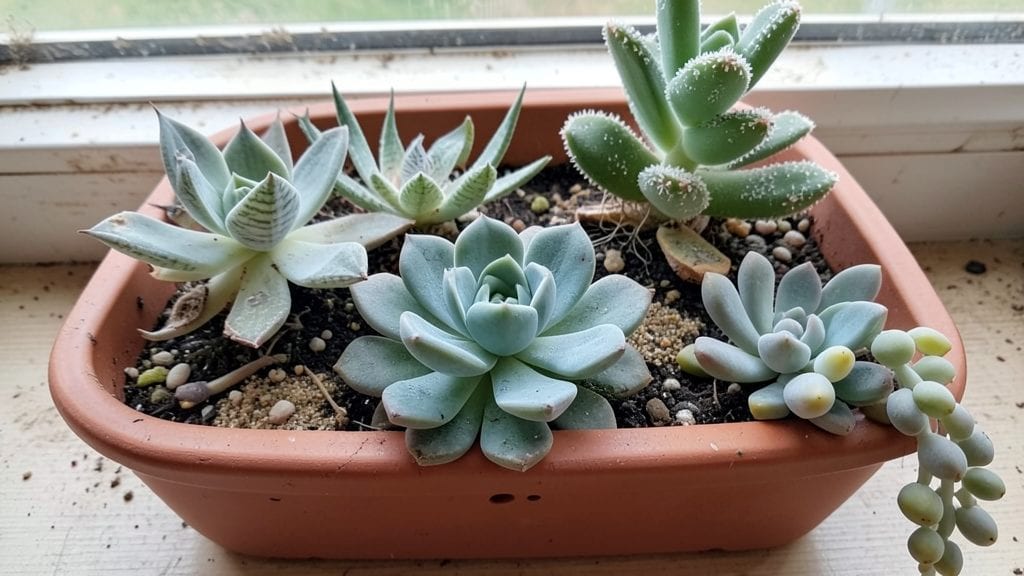
Creating an indoor succulent garden transforms empty corners into thriving, sunlit displays that need less care than a houseplant. 🌿 I started mine with a single shelf and a handful of mismatched pots—now it’s the first thing guests notice when they walk in.
The key isn’t fancy setups but smart layering: tall varieties in back, trailing ones in front, and a mix of textures to keep it dynamic.
You’ll need containers with drainage (even thrifted teacups work), well-draining soil mix, and a spot with at least 4-6 hours of sunlight daily. Grouping plants by light needs prevents leggy growth, and rotating them weekly ensures even exposure.
For minimalists, a single wooden tray with pebbles and succulents creates instant impact—no green thumb required.
The payoff? A living room centerpiece that stays lush with just occasional watering and an annual prune. Imagine velvety echeverias, spiky haworthias, and trailing sedums cascading together like a desert oasis. These gardens thrive on neglect, so they’re perfect for busy schedules or first-time plant parents.
From terrariums to wall-mounted grids, the designs adapt to any space—even a windowsill or bookshelf. Start small, play with heights, and let the plants do the work. Your indoor jungle will outlast every trendy decor piece on the market.
📚 In This Guide
- What you need
- Instructions
- Tips and common mistakes
- Wrapping up and next steps
What you need
- ● Succulents: 3–10 plants (mix of varieties like Echeveria, Haworthia, or Sedum for visual interest).
- ● Containers: 1–3 shallow pots with drainage holes (terracotta, ceramic, or plastic).
- ● Potting Mix: 1–2 bags of cactus/succulent soil (well-draining, perlite-based).
- ● Drainage Layer: Small pebbles or pumice (1–2 cups per pot).
- ● Watering Can: 1 small can with a narrow spout (or a spray bottle).
- ● Pruning Shears: 1 pair (for trimming leggy stems).
- ○ Gloves (optional but recommended): 1 pair to protect hands from sharp edges.
- ● Decorative Elements: Pebbles, moss, or decorative rocks for aesthetics.
- ● Self-Watering System: A moisture meter or wicking tray for convenience.
- ● Grow Lights: 1–2 LED grow lights (if natural light is limited).
- ● Fertilizer: Balanced liquid fertilizer (diluted to half-strength).
- ● Humidity Tray: A pebble tray for added moisture (helpful in dry climates).
Step-by-Step instructions for creating indoor succulent gardens
Here's how to build a thriving, layered display that thrives with minimal fuss.
🪴 Step 1: Choose and Prepare Containers for Each Layer
Start with a large base container (at least 12 inches wide) for your foundation layer. I like using unglazed ceramic or terracotta because they breathe and prevent root rot. Add a 1-inch layer of small pebbles or perlite at the bottom for drainage—this is critical for succulents, which despise soggy roots.
For your middle layer, use shallow, wider containers (like 6-8 inch diameter pots) to create height variation. These should also have drainage holes. Place them on top of the base container, staggering sizes for visual interest. The top layer can use smaller pots (3-4 inches) or even succulent dish gardens with built-in drainage.
🌱 Step 2: Layer Soil and Plants Strategically
Fill the base container with a cactus/succulent mix (never regular potting soil—it retains too much moisture). Pack it lightly but firmly, leaving 1 inch of space at the top. For the middle layer, use the same mix but add a thin layer of coarse sand on top of the base soil to improve drainage between layers.
Plant your tallest succulents (like snake plants or haworthias) in the back of the base container, then fill in with medium-height varieties (like echeverias) toward the front. In the middle layer, place smaller rosettes (like sedums) or trailing types (like string of pearls) to spill over edges. Top with tiny succulents (like lithops or sempervivums) in the smallest pots.
☀️ Step 3: Position for Bright, Indirect Light
Succulents need 4-6 hours of bright, indirect light daily. Place your garden near a south or east-facing window where light is strong but not scorching. If your space is dim, supplement with a grow light kept 6-12 inches above the plants for 12-14 hours/day. You'll notice leaves turning pale or stretching? That's a sign they're reaching for more light—adjust immediately.
Rotate the entire display quarter-turn weekly so all sides get even exposure. This prevents lopsided growth and ensures your layered garden stays balanced. Avoid direct midday sun on glass containers—it can create hot spots that scorch delicate leaves.
💧 Step 4: Water with Precision and Patience
Water only when the top inch of soil feels completely dry—this usually means every 2-3 weeks, depending on humidity. I use the "bottom-watering" method for layered gardens: place the entire setup in a tray of water for 10-15 minutes, then drain thoroughly. This ensures even moisture without drowning lower layers.
Check the topmost pots daily—if they feel dry while lower layers still hold moisture, give just those a light mist. Never let water pool in saucers or between containers. Overwatering is the #1 killer of succulent gardens, and you'll know it's happening when leaves start looking puffy or translucent. Let the soil dry out completely before watering again.
✂️ Step 5: Maintain and Refresh Seasonally
Every 3-4 months, gently remove the top layer of soil and replace it with fresh mix. This prevents salt buildup from minerals in tap water. Trim any leggy stems by snipping just above a leaf node—these cuttings will root easily in water if you want to propagate. I also rotate my garden monthly to keep growth even.
In late winter, fertilize lightly with a balanced, water-soluble fertilizer (half-strength) to encourage new growth. Watch for yellowing leaves—this usually means overwatering, but if it's just the bottom leaves, it's natural aging. Remove dead leaves promptly to keep your garden looking fresh. With this routine, your layered succulent display will stay vibrant for years.
Tips & tricks for perfect indoor succulent gardens
Creating a thriving layered succulent display takes a little strategy—here's what I've learned from years of trial and error to keep your garden lush and low-maintenance.
Drainage is Everything: In Step 1, that 1-inch layer of pebbles or perlite isn't just for show—it's the secret to preventing root rot. If you notice water pooling at the bottom of your base container after bottom-watering, add an extra ½-inch layer. I've ruined three gardens because I skipped this step, so trust me on this! For extra insurance, consider adding a layer of activated charcoal on top of the pebbles to prevent bacterial growth.
Layering Light Needs: When arranging plants in Step 2, remember that taller varieties in the back can cast shadows on smaller plants in front. To fix this, place your tallest succulents (like snake plants) toward the edges where they'll get more light exposure. For the middle layer, choose varieties that tolerate partial shade, like sedums, which will thrive even with slightly less direct light. This creates a natural light gradient that keeps all your plants happy.
Watering Wisdom: That 10-15 minute bottom-watering in Step 4 is your best friend, but timing matters. I've found that morning watering works best—it gives plants all day to dry out before evening. If you notice condensation forming on the inside of glass containers after watering, that's a sign you're overwatering. Let the soil dry completely between waterings, even if it means skipping a week in winter when growth slows down.
Seasonal Rotation Strategy: The monthly rotation mentioned in Step 5 is a game-changer for even growth. Set a reminder on your phone for the first of each month—it only takes 2 minutes to rotate your entire display. I also recommend giving your garden a 180-degree turn every 3 months to account for seasonal light changes. This prevents that "lopsided" look where one side gets all the sunshine while the other stays leggy.
Pro Tips for Indoor Succulent Gardens
- Creating a thriving layered succulent display takes a little strategy—here's what I've learned from years of trial and error to keep your garden lush and low-maintenance.
- Drainage is Everything: In Step 1, that 1-inch layer of pebbles or perlite isn't just for show—it's the secret to preventing root rot.
- Layering Light Needs: When arranging plants in Step 2, remember that taller varieties in the back can cast shadows on smaller plants in front.
Frequently asked questions
Got questions about crafting your dream indoor succulent garden? You’re not alone! Here are answers to the most common queries—so you can dive in with confidence.
How much sunlight do indoor succulents really need?
Most succulents thrive with 4–6 hours of bright, indirect light daily. South- or west-facing windows are ideal, but supplement with a grow light (12–14 hours/day) if natural light is limited. Avoid harsh direct sun, which can scorch leaves. Pro tip: Rotate pots weekly for even growth!
How often should I water my indoor succulent garden?
Water only when the top 1–2 inches of soil are completely dry—typically every 2–3 weeks (less in winter). Overwatering is the #1 killer! Use well-draining soil and pots with drainage holes. Stick your finger in the soil—if it’s damp, wait a few more days.
Can I use regular potting soil for succulents?
Nope! Regular potting soil retains too much moisture. Mix 50% cactus/succulent soil with 50% perlite or pumice for optimal drainage. Pre-mixed blends (like those labeled “succulent mix”) work great too. Bonus: Add a handful of coarse sand for extra airflow!
Why are my succulents getting mushy or developing spots?
Mushy stems or spots usually mean overwatering or fungal issues. Let the soil dry out completely, trim affected areas with sterilized scissors, and repot in fresh, dry soil. Improve airflow by spacing plants apart and avoiding crowded pots. Preventative tip: Spray with neem oil if you spot pests like mealybugs.
What are some low-maintenance succulent varieties for beginners?
Start with resilient picks like Haworthia, Echeveria, or Jade Plant. These tolerate occasional neglect and add pops of color. For trailing beauty, try String of Pearls (Senecio rowleyanus). All love bright light and minimal water—perfect for busy plant parents!
Wrapping up and next steps
Creating an indoor succulent garden is a rewarding way to bring vibrant life into your space—without the fuss! These resilient plants thrive with minimal care, making them perfect for busy plant lovers or beginners.
Whether you’re transforming a sunny windowsill or a stylish terrarium, your green oasis will flourish with the right light, soil, and love.
Ready to dive in? Start small with one or two succulents and experiment with containers or arrangements. Before you know it, your indoor jungle will be the talk of the room—and you’ll be the proud gardener behind it! 🌱✨