
Tools
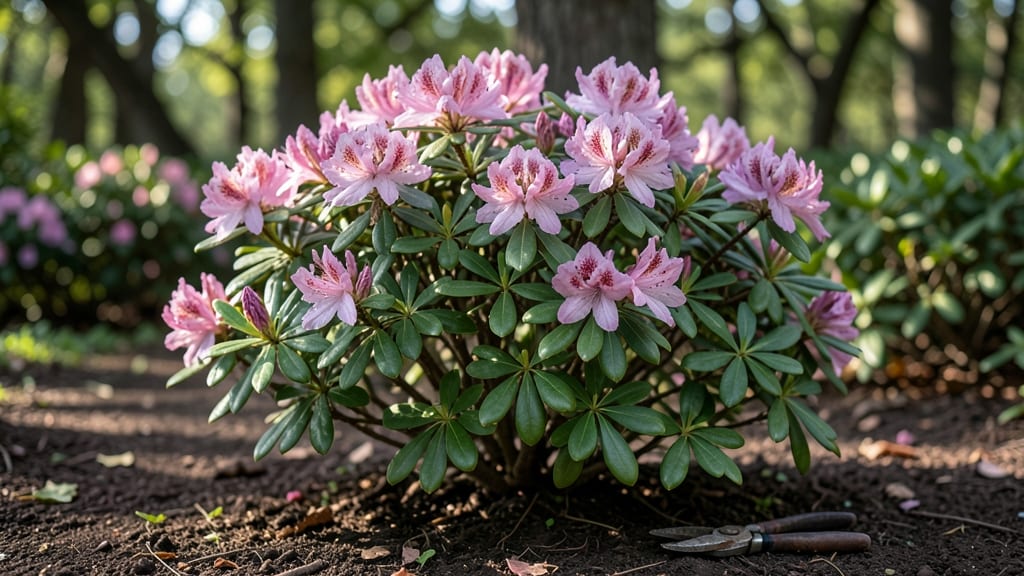
Japanese garden azaleas transform any space into a tranquil retreat with their delicate blooms and sweet fragrance. ✨ I’ve watched these shrubs turn even the simplest yard into a living painting—each cluster of flowers feels like a brushstroke of nature’s finest artistry.
Their cultural roots run deep, too, tying back to traditional Japanese gardens where they symbolize strength and beauty in harmony.
The secret to their magic lies in placement and pairing. These azaleas thrive in partial shade, making them perfect for under trees or along shaded pathways. Pair them with hostas, ferns, or moss for that classic Japanese garden feel, and you’ll create layers of texture that invite you to linger.
The blooms arrive in spring, but their evergreen foliage keeps the scene lush year-round.
What you’ll love most is how they set the mood—vibrant pinks and whites soften hard edges, while deep purples add drama to serene corners. The fragrance alone turns an ordinary garden into a sanctuary. Once you see them in action, you’ll understand why they’re a staple in every thoughtful landscape.
They’re not just pretty—they’re resilient and adaptable, too. Whether you’re going for a full traditional garden or just adding a few accent plants, azaleas bring that effortless elegance. Let’s get yours planted just right.
📚 In This Guide
- What you need
- Instructions
- Tips and common mistakes
- Wrapping up and next steps
What you need
- ● Japanese Garden Azalea Plants (Rhododendron spp.) – Choose 3–5 mature plants (3–5 ft tall) for a balanced look. Varieties like Kurume, Satsuki, or Tosa thrive in Japanese gardens.
- ● Well-draining acidic soil (pH 4.5–6.0) – Mix 50% peat moss or pine bark with 50% garden soil (or use pre-mixed rhododendron soil).
- ● Organic mulch (pine needles, wood chips, or cedar bark) – 3–4 inches deep to retain moisture and acidity.
- ● Slow-release acid-loving plant fertilizer – Look for 10-10-10 or 8-3-9 with micronutrients (e.g., iron, magnesium).
- ○ Mulch rings or landscape fabric – Optional but helpful to prevent weeds and preserve soil acidity.
- ● Garden trowel or spade – For digging planting holes.
- ● Pruning shears (sterilized) – To shape plants and remove dead blooms.
- ● Garden hose or watering can with a fine rose nozzle – Azaleas love consistent moisture.
- ● pH testing kit – To monitor soil acidity 2–3 times per year.
- ● Garden gloves & knee pads – For comfort during planting.
- ● A partially shaded spot with 4–6 hours of dappled sunlight daily (morning sun is ideal).
- ● Good air circulation – Space plants 3–5 feet apart to prevent fungal diseases.
- ● Drainage solution – If your soil is heavy clay, amend with perlite or sand to avoid root rot.
Step-by-Step guide to planting and caring for Japanese garden azaleas
Transform your space with these fragrant beauties—here’s how to plant and nurture them for years of vibrant blooms.
🌱 Step 1: Choose the Perfect Planting Location
Japanese garden azaleas thrive in partial shade, with 4-6 hours of morning sun and afternoon shade to prevent leaf scorch. I always look for spots under tall trees or near north-facing walls where the roots stay cool and moist. These plants hate hot, dry conditions—if your yard gets intense afternoon sun, plant them where they’ll receive filtered light.
Test the soil pH before planting. Azaleas love acidic soil (pH 4.5-6.0)—if yours is alkaline, amend it with sulfur or peat moss to lower the pH. Dig a hole twice as wide as the root ball but only as deep as the container it came in. The top of the root ball should sit 1 inch above ground level to prevent waterlogging.
💧 Step 2: Plant with Care and Water Deeply
Gently remove the azalea from its container and loosen any circling roots with your fingers—this encourages outward growth instead of root-bound stress. Place it in the hole and backfill with the native soil mixed with 20% peat moss for extra acidity. Press lightly around the edges to remove air pockets but don’t compact the soil.
Water deeply right after planting—soak the root zone until water drains from the bottom. Mulch with 2-3 inches of pine bark or wood chips to retain moisture and mimic their natural forest-floor habitat. Keep the mulch 2 inches away from the stem to prevent rot. Over the next 2 weeks, water every other day to help roots establish.
☀️ Step 3: Maintain Soil Moisture and Fertilize Properly
Azaleas need consistently moist but not soggy soil. I check moisture by sticking my finger 1 inch deep—if it feels dry, water until it’s damp. During the first growing season, avoid overhead watering, which can cause fungal diseases. Instead, use a soaker hose or drip irrigation at the base of the plant.
Fertilize once in early spring with an acid-loving plant fertilizer (look for one with high phosphorus and low nitrogen). Too much nitrogen leads to leafy growth at the expense of blooms. I also add a slow-release azalea fertilizer in late summer to support next year’s flowers. Avoid fertilizing in fall or winter when the plant is dormant.
✂️ Step 4: Prune for Shape and Health
Prune azaleas right after blooming (usually late spring to early summer) to shape the plant and encourage next year’s flowers. Remove dead or crossing branches first, then trim back any leggy growth to maintain a natural, rounded form. Never cut into old wood—new growth only appears on current-season stems.
If your azalea isn’t blooming well, it might be getting too much sun or not enough nutrients. I’ve found that lightly fertilizing with Epsom salt (1 tablespoon per gallon of water) in early spring can boost flower production. Avoid heavy pruning—it stresses the plant and reduces blooms the following year.
🪴 Step 5: Protect and Enjoy Year-Round
Japanese garden azaleas are hardy in USDA zones 5-8, but younger plants may need winter protection in colder climates. Wrap the root zone with burlap or mulch in late fall to insulate against freezing temperatures. Avoid heavy mulch piles, which can suffocate roots.
Watch for lace bugs or spider mites—these pests love azaleas. I treat infestations with neem oil spray applied in early morning when pests are active. With proper care, your azalea will reward you with fragrant blooms for decades. Enjoy the serene beauty they bring to your garden!
Tips & tricks for perfect Japanese garden azalea care
Here's what I've learned from years of growing these fragrant beauties—simple secrets that make all the difference.
Soil Preparation: Don't skip the soil test! Many gardeners assume their soil is acidic enough, but I've seen azaleas struggle in soil that tested at pH 6.5 or higher. If you're unsure, pick up a soil test kit from your local garden center—it's the only way to know for sure. For that extra boost, mix in 20% peat moss with your native soil when planting, just like in Step 1. This creates the perfect acidic environment their roots crave.
Watering Wisdom: The 2-week watering schedule in Step 2 is crucial, but here's the thing: morning watering is always better. Watering in the morning gives the leaves time to dry completely before nightfall, which prevents fungal diseases that can ruin your azalea's health. I've lost count of how many azaleas I've saved by switching to morning watering after noticing brown spots on leaves.
Pruning Precision: When pruning in late spring (as mentioned in Step 4), focus on creating an open center rather than just trimming the outer edges. This improves airflow and sunlight penetration to the inner branches, which encourages more blooms next season. I like to step back every few cuts to visualize the shape—it's amazing how much difference a little strategic pruning makes!
Winter Protection: For those in USDA zones 5-6, don't wait until the first frost to protect your azaleas. Wrap the root zone with burlap or mulch in late fall (before temperatures drop below 30°F) to create a protective barrier. I've seen too many azaleas suffer from winter burn because their owners waited too long to protect them. A little preparation now means stunning blooms next spring.
Pro Tips for Japanese Garden Azalea
- Here's what I've learned from years of growing these fragrant beauties—simple secrets that make all the difference.
- Soil Preparation: Don't skip the soil test!
- Watering Wisdom: The 2-week watering schedule in Step 2 is crucial, but here's the thing: morning watering is always better.
Frequently asked questions
Got questions about nurturing your Japanese garden azaleas?
You’re not alone! Here are answers to the most common concerns—from planting to pruning—so you can keep your blooms thriving like a pro.
When is the best time to plant Japanese garden azaleas?
Plant them in early spring or fall when temperatures are mild (50–60°F). Avoid extreme heat or frost, as azaleas are sensitive to stress. Choose a spot with dappled shade—they love morning sun but need afternoon shade to retain moisture. Pro tip: Amend the soil with organic matter (like compost) to mimic their acidic, well-draining native conditions.
How often should I water my azaleas, and do they need special care?
Water deeply 2–3 times per week (more in summer) to keep the soil consistently moist but not soggy. Japanese garden azaleas thrive in acidic soil (pH 4.5–5.5). Use a rainwater or distilled water if your tap water is alkaline. Mulch around the base (but not touching the trunk) to retain humidity and suppress weeds. Overwatering is a common killer—ensure pots or beds have drainage!
Can I prune azaleas after they bloom, and how?
Prune right after flowering (late spring) to shape the plant and encourage next year’s blooms. Use clean, sharp shears to trim back overgrown branches by 1/3, focusing on the outer edges. Avoid heavy pruning in fall or winter—it removes next year’s flower buds! Pro tip: Deadhead spent blooms to redirect energy to foliage growth.
Why aren’t my azaleas blooming, even though they have lots of leaves?
Lack of blooms often stems from over-fertilizing with high-nitrogen feed (which promotes leaves over flowers) or poor sunlight. Ensure they get 4–6 hours of morning sun and use a balanced acid-loving fertilizer (like 10-10-10 or azalea-specific formula) in early spring. Stress factors like drought, root bound pots, or sudden temperature swings can also delay blooms. Patience is key—some varieties take 2–3 years to mature!
Are there low-maintenance alternatives to traditional Japanese garden azaleas?
Yes! If you want fragrant, shade-loving blooms with less fuss, consider:
- Korean azaleas (Rhododendron mucronulatum): Cold-hardy and more disease-resistant.
- Pieris japonica (Japanese andromeda): Evergreen with delicate white flowers; thrives in partial shade.
- Camellias (Camellia japonica): Elegant, long-lasting blooms (but needs slightly more sun).
Wrapping up and next steps
Japanese garden azaleas aren’t just plants—they’re living art, weaving tranquility and beauty into any space. Their delicate blooms and fragrant charm transform gardens into serene escapes, perfect for mindfulness or simply admiring nature’s elegance.
Whether you’re a seasoned gardener or a curious beginner, these azaleas offer a rewarding journey of care and creativity.
Ready to bring this calm and color to your outdoor haven? Start small—pick a variety, gather your tools, and let your green thumb guide you! 🌸✨