Advice
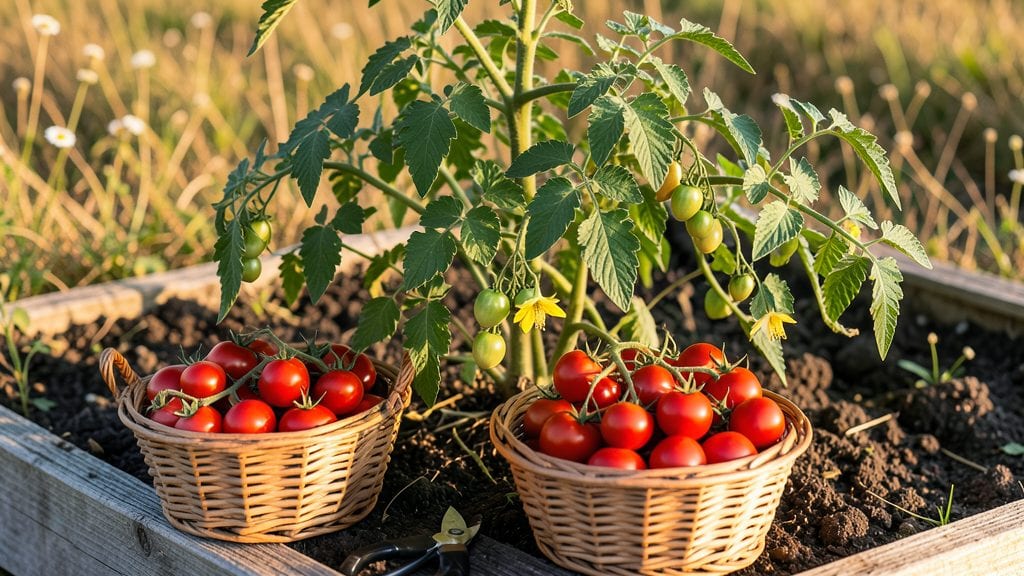
July gardening tasks are all about beating the heat while keeping your garden productive. 🌿 I’ve learned the hard way that skipping smart watering and shade strategies means wilting plants and wasted effort—this month, we’re turning that around with heat-resistant picks and simple hacks.
Focus on mulching to lock in moisture, planting late-season veggies like Swiss chard and bush beans, and deadheading spent blooms to encourage more flowers. Even your lawn will thank you for regular mowing and occasional deep watering—just don’t overdo it, or you’ll invite fungal problems.
The key is working with the heat, not against it.
By August, you’ll harvest crisp cucumbers, sweet corn, and vibrant zinnias—all while keeping your soil healthy and pests at bay. We’ll show you how to spot early signs of stress in plants and adjust your routine before it’s too late.
This is the month where small daily efforts pay off big.
Works for backyard gardens, raised beds, or even container setups on patios. Whether you’re battling 90-degree afternoons or just want to keep things thriving, these tasks keep your garden on track for a late-season bounty.
📚 In This Guide
- What you need
- Instructions
- Tips and common mistakes
- Wrapping up and next steps
What you need
- ● Watering can or hose (with adjustable nozzle for precision watering) – 1-2 units
- ○ Drip irrigation kit (optional but highly recommended for efficiency) – 1 set
- ● Garden gloves (heat-resistant, breathable material) – 1 pair
- ● Pruning shears (sharp, bypass-style for clean cuts) – 1 pair
- ● Trowel or hand fork (for transplanting seedlings) – 1-2 units
- ● Garden rake (for loosening soil) – 1 unit
- ○ Soil moisture meter (optional but useful for tracking hydration) – 1 unit
- ● Mulch (straw, wood chips, or shredded leaves) – 5-10 gallons (depending on garden size)
- ● Heat-tolerant seedlings or transplants (e.g., okra, black-eyed peas, Swiss chard, or heat-resistant tomatoes) – Quantity varies by garden size
- ● Potting mix or compost (well-draining, organic-rich) – 1-2 bags (10-20 lbs each)
- ● Slow-release fertilizer (balanced NPK, 10-10-10 or similar) – 1 bag
- ● Epsom salt (magnesium sulfate) (for tomato and pepper care) – 1 small bag
- ● Shade cloth (30-50%) (for protecting young plants) – 1-2 rolls (if needed)
- ● Check local water restrictions—some areas limit outdoor watering during peak heat. 🌡️
- ○ Test your soil’s pH (aim for 6.0-7.0 for most veggies) with a soil test kit (optional but helpful).
- ● Gather a bucket of water for quick hand-watering during extreme heat—hoses can waste water!
Step-by-Step July gardening tasks for a thriving summer garden
July’s heat demands strategy—here’s how to keep your plants happy without wasting water or energy.
🌿 Step 1: Prioritize Heat-Resistant Plants and Mulch
Focus on drought-tolerant varieties like zinnia, okra, and black-eyed Susan—they’ll handle the heat better than others. I always check the 1-2 inches of mulch (like straw or wood chips) over the soil to lock in moisture and keep roots cool. This is the moment that matters: mulch now, and you’ll water half as much later.
Remove any wilting annuals that aren’t heat-tolerant—don’t let them struggle. Instead, swap them with heat-loving perennials like lavender or Russian sage. These plants thrive when others fade, so July is their time to shine. Watch for crispy leaf edges on existing plants—that’s your cue to water deeper, not more frequently.
💧 Step 2: Water Deeply in Early Morning
Water before 8 AM when temperatures are cooler and evaporation is minimal. Aim for 1-1.5 inches of water per week, delivered directly at the base of plants. I use a soaker hose to avoid wetting leaves, which reduces fungal risks like powdery mildew. You’ll see the soil surface darken—this means water’s penetrating deeply.
Don’t water daily—this creates shallow roots. Instead, let the top 2 inches of soil dry out between waterings. Check by sticking your finger in; if it feels dry, it’s time. Overwatering in July is just as deadly as underwatering. Real talk: I’ve killed plants both ways, and the fix is always the same—adjust your schedule.
☀️ Step 3: Provide Shade for Delicate Plants
Set up light shade cloth (30-50%) over heat-sensitive plants like tomatoes, peppers, and lettuce. I drape it loosely—too tight, and airflow suffers. Watch for plants leaning toward the shade; this means they’re stretching for cooler spots. Adjust the shade cloth to keep it 2-3 feet above the plants for even coverage.
If you don’t have shade cloth, use old bedsheets or burlap sacks tied loosely over trellises. Avoid plastic—it traps heat. You’ll notice leaves looking less stressed within a day or two. This isn’t just about survival; it’s about keeping your plants productive. Heat-zapped plants produce fewer flowers and fruits, so shade now means bigger harvests later.
✂️ Step 4: Deadhead and Prune for Continuous Blooms
Snip off spent blooms on annuals like marigolds and zinnias to encourage more flowers. I use clean, sharp pruners and cut just above a set of leaves or bud. This keeps energy flowing to new growth instead of seed production. You’ll see fresh buds forming within 3-5 days—that’s your reward for a quick trim.
Prune leggy herbs like basil and cilantro to encourage bushier growth. Pinch back the tips of the longest stems to just above a leaf node. Don’t overdo it—you’re shaping, not harvesting. If a herb looks stressed, let it recover before pruning again. July’s heat speeds up regrowth, so you’ll be back to harvesting in no time.
🪴 Step 5: Fertilize and Feed the Soil
Apply a balanced, slow-release fertilizer (10-10-10) every 4-6 weeks to replenish nutrients lost in the heat. I sprinkle it evenly over the soil and water it in immediately. This prevents burn and ensures roots absorb it gradually. You’ll notice stronger stems and richer foliage within 2 weeks—that’s your signal it’s working.
For container plants, use a liquid fertilizer diluted to half-strength. Over-fertilizing in July can scorch roots, so less is more. If you see yellowing leaves, flush the soil with water to rinse out excess salts. This is the moment to check your soil—if it’s crusty on top, it’s time to aerate with a fork or rake.
Tips & tricks for perfect July gardening tasks
A few key strategies that'll help your garden thrive through July's intense heat without the stress.
Soil Moisture Check: The finger test in Step 2 is your best friend—stick your finger about 1-2 inches into the soil. If it feels dry at that depth, it's time to water. I've learned this the hard way after killing plants by either overwatering or underwatering. For container plants, check the soil weight—lift the pot, and if it feels light, it needs water. This simple check prevents both over- and under-watering, which are the biggest July mistakes.
Mulch Thickness Matters: When applying that 1-2 inches of mulch in Step 1, don't skimp! Thicker mulch (up to 3 inches) works better in extreme heat, but make sure it's not touching plant stems. I use straw because it breaks down slowly and adds organic matter to the soil. If you notice mulch pulling away from the soil, give it a quick fluff with a rake to maintain that moisture barrier. This small effort can cut your watering needs by nearly half.
Shade Adjustment: That 30-50% shade cloth in Step 3 is perfect, but watch for plants stretching toward the shade. If you see this happening, it's time to move the shade cloth slightly or add more support. I've found that adjusting the height to 2-3 feet above plants creates the ideal balance—enough shade without blocking airflow. For temporary shade, try hanging lightweight fabric from a trellis or fence. This keeps your delicate plants from wilting while still allowing some sunlight for photosynthesis.
Pruning Precision: When deadheading in Step 4, aim for clean cuts just above a leaf node or bud. I use clean pruners and sterilize them with rubbing alcohol between cuts to prevent disease spread. For herbs like basil and cilantro, don't remove more than one-third of the plant at once—this prevents stress. You'll notice new growth appearing within 3-5 days, proving that July's heat actually speeds up regrowth when you give plants the right care.
Pro Tips for July Gardening Tasks
- A few key strategies that'll help your garden thrive through July's intense heat without the stress.
- Soil Moisture Check: The finger test in Step 2 is your best friend—stick your finger about 1-2 inches into the soil.
- Mulch Thickness Matters: When applying that 1-2 inches of mulch in Step 1, don't skimp!
Frequently asked questions
Got questions about tackling your garden in July’s scorching heat? You’re not alone! Here are answers to the most common July gardening dilemmas to keep your green space thriving—without the stress.
What are the best heat-resistant plants to add in July?
Opt for drought-tolerant stars like lantana, zinnia, or okra—they handle the heat like pros! Succulents (e.g., sedum) and herbs like rosemary or thyme also thrive. For shade lovers, try coleus or impatiens. Pro tip: Mulch heavily to retain moisture and protect roots!
How often should I water my garden in July?
Water deeply 2–3 times per week (early morning or late evening) to encourage root growth. Drip irrigation or soaker hoses are ideal—they deliver water efficiently and reduce evaporation. Signs of thirst: Wilting leaves or dry soil 1–2 inches below the surface. Hot tip: Group plants with similar water needs together!
Can I still plant vegetables in July?
Focus on heat-loving crops like sweet potatoes, beans, or malabar spinach. For cooler-season veggies (e.g., lettuce, kale), opt for shade cloth or plant them in partial shade. Avoid transplanting seedlings in peak heat—wait for evening or cloudy days to minimize shock.
How do I protect my plants from pests in extreme heat?
Pests like aphids and spider mites love dry conditions. Prevent them: Spray plants with water in the morning, use neem oil, or introduce beneficial insects (e.g., ladybugs). For fungal issues (like powdery mildew), improve airflow and avoid overhead watering. Quick fix: Yellow sticky traps catch flying pests!
What should I do if my lawn turns brown in July?
Brown patches often mean heat stress or drought. Raise your mower blade (3–4 inches) to shade roots, and water deeply but infrequently. If your grass is crunchy, it’s dormant—not dead! Overseed in early fall once temps drop. Alternative: Swap high-maintenance lawns for clover or buffalo grass for heat resilience.
Wrapping up and next steps
July is all about adapting to the heat while keeping your garden thriving! From planting drought-tolerant veggies to mastering watering techniques, these tasks will help you beat the summer slump with confidence. 🌿💦
Now that you’re armed with the right tools and tips, take action this weekend—start small, stay consistent, and watch your garden flourish. Need inspiration? Check out our seasonal planting guide for a stress-free July gardening plan!