Landscaping
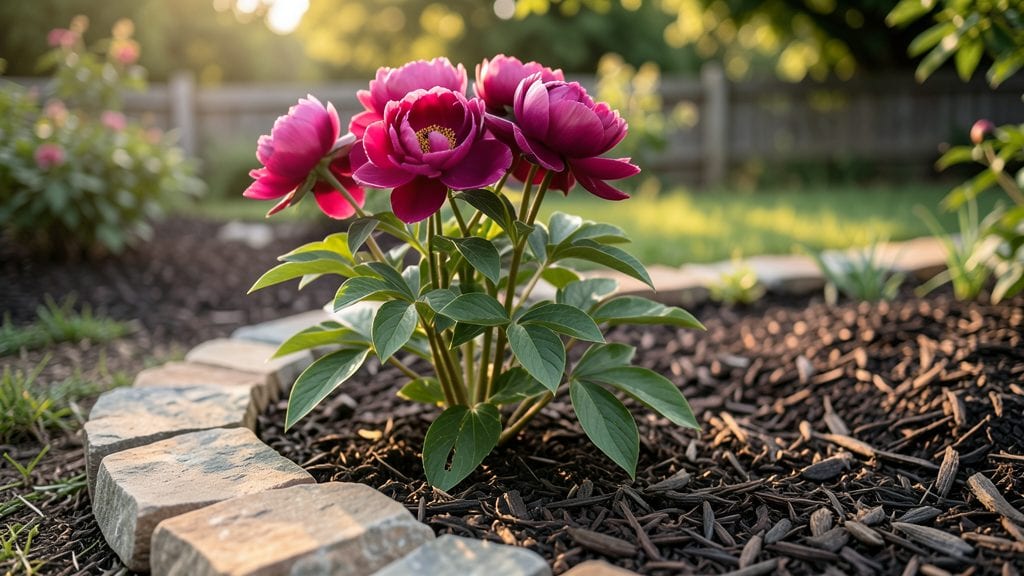
Creating a stunning landscaping peony garden is easier than you think—just a few velvety blooms and intoxicating scents can turn your yard into a dreamy retreat. 🌸 I remember the first time I walked through one—those velvety blooms and intoxicating scent made me fall in love with peonies forever.
They’re the star of spring, but with the right companions, your garden stays vibrant all season long.
The secret to a stunning peony garden lies in sunlight, soil, and spacing. Plant them where they get 6+ hours of sun, in well-draining soil mixed with compost. Give each bush 3-4 feet of space to thrive without crowding.
Pair them with perennials like lavender or catmint for contrast, and add spring bulbs like daffodils for early color.
By late spring, you’ll have 3-4 weeks of showstopping blooms, followed by lush foliage that adds texture through summer. The fragrance alone makes it worth the effort—imagine strolling past rows of pink, white, or coral peonies on a warm afternoon.
With just a little pruning in late fall, they’ll reward you year after year.
This design works for both small borders and large landscapes, adapting to any yard size. Whether you’re creating a formal garden or a relaxed cottage-style space, peonies bring effortless elegance. Let’s get your garden smelling like spring all season!
📚 In This Guide
- What you need
- Instructions
- Tips and common mistakes
- Wrapping up and next steps
What you need
- ● Peony Plants: Herbaceous or tree peonies (choose 3–5 varieties for color diversity)
- ● Quantity: 5–10 plants (spaced 3–4 feet apart for optimal growth)
- ● Soil Amendments: Compost (5–10 lbs per plant)
- ● Well-draining potting mix (1–2 bags, 40–60 lbs each)
- ● Bone meal or phosphorus-rich fertilizer (1 lb per 10 sq ft)
- ● Mulch: Organic mulch (e.g., wood chips or straw, 2–3 inches thick)
- ● Garden trowel or spade
- ● Garden fork (for loosening soil)
- ● Pruning shears (sharp, bypass-style for clean cuts)
- ● Wheelbarrow or bucket (for transporting soil/amendments)
- ● Garden hose with spray nozzle (for watering)
- ● Measuring tape (to ensure proper spacing)
- ● Gloves (to protect your hands)
- ● Garden stakes or trellis (for supporting climbing peonies)
- ● Drip irrigation system (for consistent moisture)
- ● Peony-specific fertilizer (e.g., 10-20-10 NPK ratio)
- ● Decorative stones or edging (for a polished look)
- ● Pest control (neem oil or diatomaceous earth for aphids)
How to design a low-maintenance peony garden
Peonies thrive with minimal fuss—here’s how to create a fragrant, long-lasting display that rewards you for years.
🌱 Step 1: Choose the Perfect Planting Location
Peonies demand full sun—at least 6 hours of direct light daily. I always scout the site in late afternoon when shadows are longest; this reveals where sunlight lingers. Avoid low spots where water pools, as soggy roots invite rot. Test the soil by digging a 12-inch hole—if it’s clay-heavy, amend with 2 inches of compost to improve drainage.
Peonies also need space to spread. Dig a 2-foot diameter circle around each plant’s future location to ensure roots have room to establish. Mark spots with stakes if you’re planting multiple clumps; peonies bloom best when spaced 3-4 feet apart. This prevents overcrowding, which weakens flowers and reduces fragrance.
🌿 Step 2: Plant Bare-Root Peonies Correctly
Plant in early fall or late winter when soil temps are 40-50°F. Soak bare-root peonies for 1-2 hours before planting to rehydrate roots. Dig a hole 2 inches deeper than the root crown (the swollen base where roots meet stems). Place the plant so the crown sits 1-2 inches below soil level—this prevents rotting if it’s too deep or weak stems if too high.
Spread roots outward gently, then backfill with native soil mixed with 1 cup of bone meal (from your materials) to encourage strong root growth. Water deeply until the soil settles, then add a 2-inch layer of mulch (like shredded bark) to retain moisture and suppress weeds. Avoid mulching too close to the crown—keep it 6 inches away to prevent rot.
☀️ Step 3: Water and Fertilize for First-Year Success
Water newly planted peonies once a week for the first month, then taper to every 2 weeks once established. You’ll know they’re happy when leaves stay deep green and stems stand firm—wilting or yellowing means they’re thirsty. Peonies hate soggy feet, so always water at the base, not overhead.
Skip fertilizer the first year—peonies store enough energy in their roots to bloom modestly. In spring of year two, apply ½ cup of 10-10-10 fertilizer (from your materials) around the base in early March. Water it in immediately to prevent root burn. This timing ensures blooms arrive reliably without overfeeding, which can weaken stems.
✂️ Step 4: Prune Strategically for Long-Term Blooms
Wait until late May or early June—after peonies finish blooming—to prune. Cut back stems to 1 inch above the ground using clean, sharp shears. This removes spent blooms and prevents disease. I always sterilize my shears with rubbing alcohol between cuts to avoid spreading pathogens.
Never prune in fall or early spring—peonies store nutrients in their roots, and early cuts starve next year’s blooms. If you see blackened stems or mushy crowns, dig up the plant, trim away damaged areas, and replant in fresh soil. Healthy peonies should have thick, woody stems and no hollow centers.
🪴 Step 5: Mulch and Protect for Winter Hardiness
In late fall, add a 3-inch layer of mulch (like shredded leaves or straw) around each plant, keeping it 6 inches away from the crown. This insulates roots from freeze-thaw cycles, which can heave plants out of the ground. In colder climates (below 10°F), mound an extra 2 inches of mulch over the crown for extra protection.
Peonies are tough once established, but young plants benefit from a lightweight frost blanket on harsh winter nights. Remove it by mid-March to let sunlight warm the soil—you’ll see new shoots emerge within 2-3 weeks. This is your cue that winter’s over and the garden’s waking up.
Tips & tricks for perfect peony garden landscaping
Creating a stunning peony garden isn't just about planting—it's about setting them up for long-term success. These practical tips will help you avoid common pitfalls and maximize those fragrant blooms for years.
The Sunlight Secret: Those 6 hours of direct sunlight are non-negotiable, but here's the thing: morning sun with afternoon shade works better in hot climates. I've seen peonies in my own garden wilt when exposed to full afternoon sun in July. If your location gets intense afternoon heat, consider planting near structures that provide natural shade during those critical hours.
Soil Prep Strategy: When you're digging that 12-inch hole for soil testing, pay special attention to the texture. Sandy soil drains too quickly, while clay holds too much moisture—both are peony enemies. If you're unsure about your soil type, do the squeeze test: grab a handful of damp soil and try to form a ball. If it crumbles easily, you've got sandy soil. If it holds tight, you're dealing with clay. Amend accordingly with compost or perlite.
Planting Depth Matters: That 1-2 inches below soil level for the crown is critical, but here's what nobody tells you—it's even more important in heavy clay soils. In my first attempt, I planted too shallow in clay soil, and the crowns rotted. For clay-heavy areas, aim for the deeper end of that range (closer to 2 inches) to prevent moisture from sitting on the crown. In sandy soils, you can plant slightly shallower.
Winter Protection Hack: For those below 10°F nights, I've found that a simple trick prevents frost heave: cover the mulch layer with a thin layer of straw or leaves before the ground freezes. This creates an insulating air pocket that protects the roots. In my zone 5 garden, this extra layer has saved several peony crowns from being pushed out of the soil during freeze-thaw cycles.
Pro Tips for Landscaping Peony Garden
- Creating a stunning peony garden isn't just about planting—it's about setting them up for long-term success.
- The Sunlight Secret: Those 6 hours of direct sunlight are non-negotiable, but here's the thing: morning sun with afternoon shade works better in hot climates.
- Soil Prep Strategy: When you're digging that 12-inch hole for soil testing, pay special attention to the texture.
Frequently asked questions
Got questions about creating your dream landscaping peony garden? Here are some of the most common ones—and their answers!
When is the best time to plant peonies for a long-lasting garden?
Plant peonies in early fall (4–6 weeks before the first frost) or early spring (as soon as the soil is workable). Fall planting gives roots time to establish before winter, while spring planting works in milder climates. Avoid planting in extreme heat or cold—peony roots need stable conditions to thrive!
Do peonies need full sun, or can they grow in partial shade?
Peonies love full sun (6–8 hours daily) for the most vibrant blooms, but they can tolerate partial shade (4–6 hours of sun), especially in hotter climates. In shady spots, expect fewer flowers and leggier stems. If shading is unavoidable, choose tree peonies (Paeonia suffruticosa), which adapt better to dappled light.
How (and when) should I prune my peonies to encourage more blooms?
Prune peonies after they finish blooming in late spring or early summer. Cut back stems to 1–2 inches above the ground, but never prune foliage until it yellows naturally (this feeds the roots!). Avoid heavy pruning in fall—it can damage dormant buds. Pro tip: Deadhead spent blooms to redirect energy to next year’s flowers!
What pests or diseases should I watch for in a peony garden?
Peonies are generally low-maintenance, but keep an eye out for peony wilt (a fungal disease causing brown stems) and leaf spot (yellow/brown spots). For pests, peony sawfly larvae (green caterpillars) and aphids can be nuisances. Treat fungal issues with neem oil or copper fungicide, and blast pests off with water or use insecticidal soap.
Can I grow peonies in containers, or do they only thrive in the ground?
Yes! Peonies adapt well to large containers (at least 12–18 inches deep) with well-draining soil. Use a mix of garden soil, compost, and perlite. Container-grown peonies may bloom slightly later but still produce stunning flowers. Just ensure the pot doesn’t overheat in summer—mulch helps! Herbaceous peonies (not tree peonies) are best for containers.
Do peonies survive winter, and how can I protect them?
Peonies are hardy perennials (USDA Zones 3–8) and handle winter well, but young plants or harsh climates may need help. Mulch with 3–4 inches of straw or shredded leaves after the ground freezes to insulate roots. Avoid heavy mulch in spring—remove it once new growth appears to prevent rot.
Wrapping up and next steps
A peony garden is a fragrant, low-maintenance dream—packed with vibrant blooms and minimal fuss! Whether you’re a seasoned gardener or just starting, these tips make it easy to create a stunning, year-round display with minimal pruning.
The key? Choosing the right varieties, prepping the soil, and embracing patience for long-term beauty.
Ready to transform your space? Start small—plant a few peonies this season, then expand as you fall in love with their charm. Happy gardening! 🌸✨