Pests
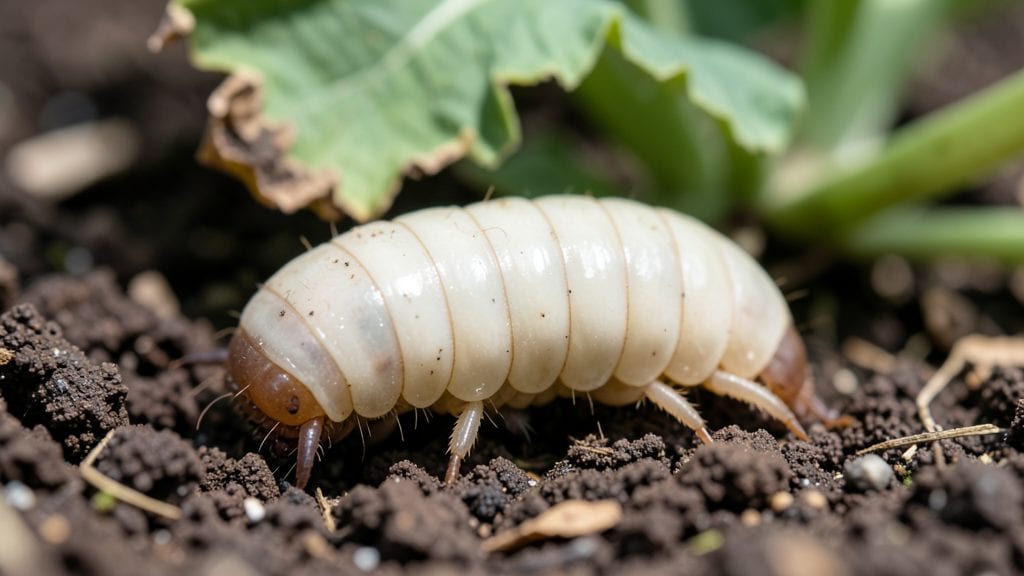
Large garden grubs are the silent destroyers lurking beneath your lawn—those fat, white larvae that turn green patches into brown craters overnight. 🌱 I’ve watched entire lawns collapse from them, and the worst part?
Most store-bought fixes poison the soil for years. The good news? You can kick them out without harming your garden’s foundation.
The damage starts small—wilting plants, chewed roots, or patches of grass that pull up like spaghetti. These grubs aren’t picky; they’ll munch on vegetables, flowers, or turf.
But here’s the secret: healthy soil and a few smart tricks make them an easy target. No harsh chemicals needed—just biology and timing on your side.
Within a week of using the right organic methods, you’ll see grubs vanish and plants bounce back. The soil stays rich, worms thrive, and your lawn recovers without the chemical aftertaste. No more guessing—just proven steps that work whether you’re dealing with chafer grubs or leatherjackets.
Works for US lawns and UK gardens alike, with adjustments for climate. Let’s get those grubs out for good—without sacrificing your garden’s health.
Root Causes of Soil Grub Infestations
Large garden grubs—those squirming, C-shaped larvae—don’t just appear out of nowhere. Their presence is usually a sign of deeper ecological imbalances in your soil and garden. Understanding why they thrive helps you target solutions effectively. Below, we break down the key factors that turn your garden into a grub buffet.
Grubs love lush, soft grass, and what encourages that more than a heavy dose of nitrogen-rich fertilizers? While synthetic fertilizers give lawns a quick green boost, they also create the perfect conditions for grub populations to explode. Here’s how:
- Excess nitrogen promotes rapid grass growth, which grubs (especially Japanese beetle larvae) devour voraciously. Think of it like feeding a hungry crowd—more food = more pests.
- Disrupted soil microbes: Synthetic fertilizers can kill beneficial bacteria and fungi that naturally regulate pest populations. Without these checks and balances, grubs multiply unchecked.
- Weakened grass roots: Over-fertilization can lead to shallow root systems, making turf more vulnerable to drought and grub damage. Weak grass = easier access for larvae.
Pro Tip: 🌡️ Shift to slow-release organic fertilizers (like compost or worm castings) to feed soil microbes instead of encouraging rapid, grub-friendly growth.
Grubs thrive in damp, decomposing organic material—think fallen leaves, mulch piles, or even overwatered thatch layers. Here’s the science:
- Moisture retention: Grubs need humidity to survive. Thick layers of organic debris (like thick mulch or compacted thatch) trap moisture, creating ideal incubators.
- Microbial activity: As organic matter breaks down, it releases sugars and proteins that attract grubs. This is especially true for white grubs, which feed on decaying plant material.
- Shaded, cool spots: Areas under dense mulch or thick leaf litter stay cooler and damper—perfect for grub egg-laying and larval development.
Pro Tip: ✨ Rake and aerate high-moisture areas in fall to disrupt egg-laying sites and improve drainage.
The grubs you see today are the larvae of adult beetles (like Japanese beetles, June bugs, or chafers) that laid eggs in your soil last season. Their life cycle is tightly linked to your garden’s health:
- Timing matters: Most beetles lay eggs in late summer to early fall, when soil is warm but not baking. If your garden has been beetle-friendly (e.g., lush turf, flowering plants for adults to feed on), you’ll see a grub surge the following spring.
- Host plant preferences: Adult beetles often feed on roses, grapes, or fruit trees before laying eggs in grassy areas. A diverse garden with these plants can attract more parents—meaning more grubs.
- Lack of predators: Birds, toads, and beneficial nematodes (like Steinernema carpocapsae) naturally control grub populations. If these predators are missing, grub numbers spiral.
Pro Tip: 🔥 Monitor adult beetle activity in late summer. Handpick them or use neem oil sprays to reduce next year’s grub population.
Grubs avoid well-aerated soil—they prefer dense, compacted areas where roots struggle and moisture lingers. Here’s why:
- Reduced oxygen: Compacted soil limits airflow, making it harder for beneficial microbes to thrive. Grubs, which are anaerobic (they don’t need much oxygen), flourish in these conditions.
- Waterlogging: Poor drainage creates soggy pockets where grubs can burrow and feed without competition from deeper-rooted plants.
- Root damage: Compacted soil weakens grass and plants, making them more susceptible to grub feeding. Think of it like a buffet with no security—grubs move in when the host is already stressed.
Pro Tip: 💡 Aerate your lawn in fall (before eggs hatch) to break up compacted layers and encourage beneficial soil life.
By addressing these root causes—not just the grubs themselves—you’ll create a garden that’s less inviting to pests and more resilient to infestations. The key? Balance: healthy soil, diverse plantings, and natural predator support.
Natural Ways to Remove Garden Invaders
If your garden has fallen victim to large, hungry grubs munching through roots and leaves, don’t panic—there are effective, eco-friendly ways to reclaim your green space. Below, we break down solutions by cause and fix, ensuring your soil stays healthy while those pests pack their bags.
Cause: Too much moisture creates a grub paradise, especially for Japanese beetle larvae or chafer grubs. Solution:
- 🔥 Improve Drainage – Test your soil’s moisture retention. If it stays soggy, amend with compost or coarse sand to help water drain faster.
- 🍳 Apply Beneficial Nematodes – These microscopic worms (Heterorhabditis bacteriophora) hunt grubs naturally. Mix them with water and apply in the evening (they avoid sunlight). Best for: Lawns and garden beds with heavy grub activity.
- 👨🍳 Set Milky Spore – A bacterial treatment (Bacillus popilliae) that thrives in grub-heavy soil. Sprinkle granules in spring/fall and water in. Works best in: Long-term prevention (takes 1-2 years to fully establish).
💡 Pro Tip: Avoid overwatering—grubs love damp soil. Water deeply but infrequently to discourage their favorite conditions.
Cause: Piles of leaves, mulch, or compost attract grubs looking for a snack. Solution:
- 🔪 Dig & Inspect – Use a garden fork to flip over mulch piles and check for grubs. Drop them into soapy water (1 tbsp dish soap per gallon) to kill them instantly.
- 🥘 Install Beer Traps – Bury a shallow container (like a tin can) filled with beer near infested areas. Grubs are attracted to the yeast and drown. Best for: White grubs and wireworms.
- ⏰ Rotate Crops – If grubs target specific plants (like corn or potatoes), avoid planting the same crops in the same spot for 2-3 years.
🌡️ Pro Tip: If you find grubs in compost, freeze them for 24 hours before disposing—they won’t survive the cold!
Cause: Grubs weaken roots, making plants vulnerable to disease or drought. Solution:
- 📊 Strengthen Soil – Add worm castings or compost tea to boost root resilience. Healthy roots can better fend off pests.
- 🌱 Plant Grub-Repelling Companions –
- Marigolds (release a scent grubs dislike)
- Garlic & Onions (natural pest deterrents)
- Nasturtiums (trap aphids that attract grubs)
- 🎯 Introduce Predatory Insects –
- Ground beetles (eat grubs on sight)
- Stink bugs (devour beetle larvae)
- Birds (install a birdhouse—robins and thrushes love grub buffets!)
✨ Pro Tip: Chop up and drop (not bag!) grass clippings—birds will feast on grubs while recycling nutrients back into your soil.
Cause: Heavy foot traffic or machinery creates a grub-friendly, airless layer where they thrive. Solution:
- 🔥 Aerate Your Lawn/Garden – Rent a core aerator to pull out soil plugs, letting oxygen in and grubs out. Do this in early fall for best results.
- 🍳 Sprinkle Diatomaceous Earth (DE) – Food-grade DE is sharp to grubs’ exoskeletons but harmless to plants. Reapply after rain. Best for: Small, localized infestations.
- 👨🍳 Try Neem Oil Spray – Mix 1 tbsp neem oil + 1 tsp mild soap per gallon of water, then spray roots and soil. Grubs avoid the bitter taste. Reapply every 2 weeks during outbreaks.
💡 Pro Tip: Avoid chemical pesticides—they kill beneficial insects (like bees and ladybugs) that help control grub populations naturally.
Once you’ve kicked the grubs out, lock them out with these habits: ✅ Mulch lightly – Use straw or shredded leaves (not thick layers) to discourage egg-laying. ✅ Encourage predators – Leave some leaf litter for ground beetles and toads. ✅ Inspect new plants – Check roots before transplanting; soak in neem oil if grubs are present. ✅ Plant deep-rooted crops – Grubs struggle near dandelions, clover, or deep taproots like carrots.
With these targeted, organic fixes, your garden will bounce back—grub-free and thriving in no time! 🌿🐛🚫
Frequently asked questions
What are the most common types of large garden grubs?
The most destructive varieties include Japanese beetle grubs (white, C-shaped larvae), chafer grubs (similar but slightly darker), and leatherjackets (leathery-skinned larvae). These pests target roots, lawns, and garden beds. Identifying them helps choose the right organic treatment—nematodes work best for Japanese beetle grubs, while milky spore targets chafers long-term.
How do I know if my lawn has a grub infestation?
Look for brown patches that pull up easily (like spaghetti), wilting plants with chewed roots, or birds digging aggressively. Dig a small section—if you find 10+ grubs per square foot, it’s time to act. Early signs include thin grass despite regular watering or moles/tunnels (they eat grubs too!).
Can I use coffee grounds to repel large garden grubs?
Yes! Sprinkle used coffee grounds around plants—the caffeine disrupts grub feeding patterns and improves soil health. Mix with compost and apply as mulch. For heavy infestations, combine with beneficial nematodes for faster results. Fresh grounds work too, but used (cooled) grounds are gentler on plants.
Are there any chemical-free ways to kill grubs in vegetable gardens?
Try neem oil spray (mix 1 tbsp oil + 1 tsp soap per gallon), diatomaceous earth (food-grade only), or beer traps (bury shallow containers filled with beer). For long-term prevention, plant marigolds or garlic—their scents deter egg-laying. Avoid chemical pesticides to protect pollinators and soil microbes.
How long does it take to see results after applying organic grub treatments?
Most methods show improvement in 1-2 weeks:
- Nematodes: 3-7 days (work overnight)
- Neem oil: 10-14 days (reapply every 2 weeks)
- Milky spore: 6-12 months (long-term bacteria buildup) Monitor grub activity by checking soil moisture and plant health. Patience pays off—organic solutions rebuild soil balance over time!