
Landscaping
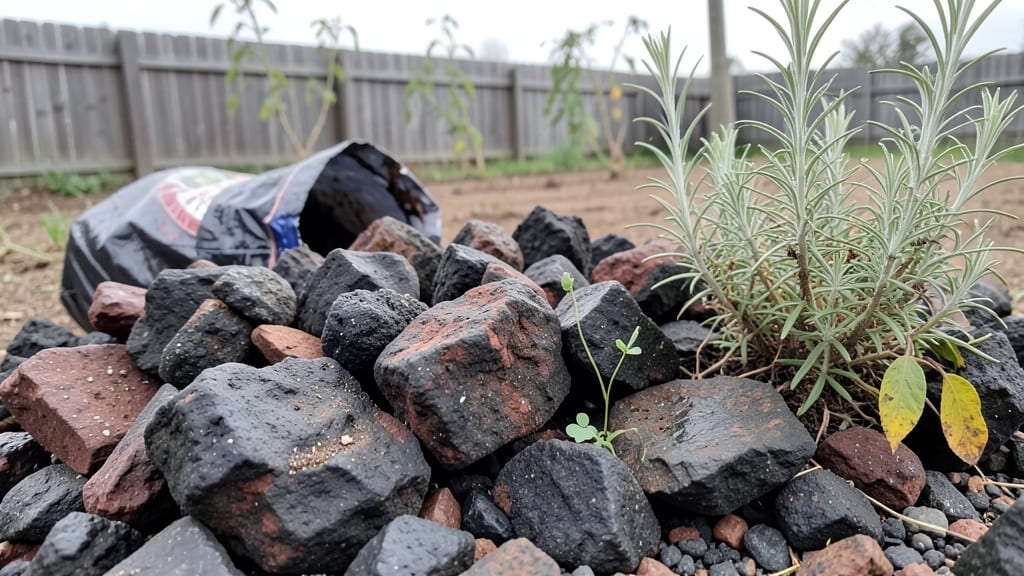
Creating a lava rock garden transforms your yard into a sunbaked desert oasis that thrives without a drop of extra water. The sharp, volcanic texture reflects sunlight while insulating roots, making it perfect for hot climates where traditional plants wilt by noon.
My first attempt used just a single layer—big mistake. The rocks shifted, and weeds sneaked through like unwelcome guests at a party.
This design works best with a 3-4 inch base layer of crushed gravel for drainage, topped with 2-3 inch lava rocks arranged in loose, natural-looking piles.
Pair them with drought-tolerant plants like agave, yucca, or Russian sage—they’ll reward you with silvery foliage and vibrant blooms that pop against the dark rocks. The contrast creates a striking visual while keeping maintenance to a minimum.
You’ll end up with a landscape that stays cool to the touch even on 100°F days, suppresses weeds naturally, and never needs mowing. The rocks also prevent erosion on slopes, making them ideal for hilly yards or rain gardens where water runs off too quickly.
Plus, the sharp edges deter pests from nesting nearby.
Works for modern minimalist yards, Zen-inspired spaces, or full-blown desert-themed gardens. The key is letting the rocks do the heavy lifting while plants add just enough color to keep things interesting. Ready to create your own sun-soaked retreat?
📚 In This Guide
- What you need
- Instructions
- Tips and common mistakes
- Wrapping up and next steps
What you need
- ● Pro tip: 💡 Buy lava rock in bulk from local landscaping suppliers—it’s cheaper and often delivered! Skip the soil; lava rock gardens thrive with zero organic matter.
Step-by-Step instructions for creating a lava rock garden
Here's my go-to method for building a stunning, low-maintenance desert oasis that thrives in heat.
Choose and Prepare Your Garden Location
Select a sunny spot that gets at least 6 hours of direct sunlight daily—lava rock gardens love heat and perform best in full sun. Clear the area of weeds, grass, and debris, removing everything down to bare soil or landscape fabric. I like to mark the boundaries with stakes and string to visualize the space before digging.
If your soil drains poorly, consider amending it with 1-2 inches of coarse sand or gravel to improve drainage. Lava rock gardens hate soggy roots, so proper drainage is non-negotiable. Test your spot by digging a 6-inch hole and filling it with water—if it drains in less than 30 minutes, you're good to go.
Install a Weed Barrier and Edging
Lay down landscape fabric to prevent weeds from popping up through your rocks. Overlap edges by 6 inches and secure them with U-shaped landscape staples. This step is critical—without it, weeds will turn your rock garden into a jungle within months.
Next, create a clean edge using landscape edging material like metal, plastic, or flexible stone. Bend it to follow your garden's shape and secure it firmly into the ground. This keeps rocks contained and gives your garden a polished look. For a natural feel, use flat stones instead of rigid edging.
Add a Base Layer of Gravel or Sand
Spread a 2-inch layer of coarse gravel or sand over the landscape fabric. This layer ensures proper drainage and prevents soil from mixing with the lava rock. Use a rake to level it out evenly, paying extra attention to slopes or uneven areas.
For sloped areas, create terracing by building up small mounds of gravel or sand to prevent erosion. This also adds visual interest and helps retain moisture for any plants you might add later. Press down lightly with your hands or a board to compact the base layer slightly.
Arrange Larger Lava Rocks First
Start by placing your larger lava rocks in the areas where you want them to stand out. These act as focal points and anchor the design. Arrange them in clusters or lines, depending on your preferred look—some like a natural, random scatter, while others prefer structured patterns.
Leave 2-3 inches of space between rocks to allow for smaller pieces. If you're using plants, place them now, making sure their root zones sit directly on the soil (not buried under rocks). Water them thoroughly before adding the final layer of lava rock.
Fill in With Smaller Rocks and Fine-Tune
Spread the smaller lava rocks into the gaps, working from the edges inward. Use a garden rake to distribute them evenly and create a natural, cascading effect. For a more polished look, sift the smallest rocks through a fine mesh screen and sprinkle them over the surface.
Step back and assess your work—fill any remaining gaps with small rocks or adjust larger ones for balance. Add mulch or decorative stones around the edges if desired. Once complete, give the entire garden a light watering to help settle the rocks and encourage any planted materials to take root.
Tips & tricks for perfect lava rock gardens
A few essential strategies will help you create a stunning, low-maintenance desert garden that thrives in heat and stays weed-free for years.
Location is Everything: When selecting your sunny spot in Step 1, pay special attention to microclimates. The south or west side of your property often gets the most intense sunlight—ideal for lava rock gardens. If you're unsure about sunlight exposure, use a simple sunlight tracker app for a week to confirm your spot gets at least 6 hours of direct sun. This ensures your rocks stay hot enough to prevent weed seeds from germinating.
Weed Barrier Secrets: In Step 2, don't skimp on the landscape fabric overlap. I've seen many gardens fail because homeowners only overlapped by 2-3 inches instead of the full 6 inches. The edges are where weeds most commonly invade. For extra protection, consider using a heavier-duty fabric rated for 3-5 years rather than the standard 2-year version. This small investment saves hours of weeding later.
Base Layer Precision: The 2-inch layer of gravel or sand in Step 3 is crucial for proper drainage, but how you apply it matters just as much. For sloped areas, create terraces that are at least 6 inches wide. Narrower terraces can erode quickly, especially in heavy rain. Press the base layer down firmly with a board—this prevents rocks from sinking into the gravel later, which can create uneven surfaces and trip hazards.
Rock Arrangement Psychology: When placing larger lava rocks in Step 4, consider the "rule of thirds" for visual balance. Place your largest rocks along the edges or in corners rather than centering them. This creates a more natural, organic look that feels less structured. For a cohesive design, try to maintain consistent spacing—aim for about 2-3 inches between rocks, which gives you room to add smaller rocks later without overcrowding.
Pro Tips for Lava Rock Gardens
- A few essential strategies will help you create a stunning, low-maintenance desert garden that thrives in heat and stays weed-free for years.
- Location is Everything: When selecting your sunny spot in Step 1, pay special attention to microclimates.
- Weed Barrier Secrets: In Step 2, don't skimp on the landscape fabric overlap.
Frequently asked questions
How long does it take for lava rock to heat up and stay warm?
Lava rock heats up fast—typically within 15–30 minutes of direct sunlight exposure. Once warm, it retains heat for hours after sunset, making it perfect for late-evening warmth. For maximum efficiency, place rocks in full sun (6+ hours daily) and group them closely to share heat.
Do I need to water lava rock gardens?
One of the biggest perks? Zero watering! Lava rock’s porous surface drains instantly, preventing moisture buildup. However, if you’re adding plants, water them directly (not the rocks) and use drip irrigation to avoid runoff. For pure decorative gardens, skip water entirely—just enjoy the heat!
Can I grow plants in a lava rock garden?
but choose drought-tolerant species like succulents, cacti, or ornamental grasses. Avoid moisture-loving plants—the rocks won’t retain humidity. Bury roots 1–2 inches deep in soil first, then surround with lava rock. Pro tip: Add mulch or pebbles around plants to slow evaporation.
What’s the best way to level lava rock for an even look?
Start with a compacted base of gravel or sand (2–3 inches deep). Use a leveling tool or string line to guide raking. For large areas, rent a plate compactor to prevent sinking. Don’t pack too tightly—lava rock needs airflow to heat efficiently!
Are there cheaper alternatives to lava rock?
Yes! Consider:
- Crushed granite (similar look, slightly cooler)
- Pumice (lighter, but less heat retention)
- Recycled glass (colorful, but slippery when wet)
Lava rock’s heat-retaining superpower makes it worth the investment for desert landscapes, but these options work for cooler climates or budgets.
Wrapping up and next steps
Creating a lava rock garden is your ticket to a stunning, low-maintenance desert oasis that thrives under the sun! 🌵✨ With just a few heat-resistant materials and a little creativity, you’ve unlocked a space that’s both beautiful and effortless.
Whether you’re drawn to the rugged elegance of volcanic rock or the practicality of zero upkeep, this project is your chance to transform your outdoor space into a resilient masterpiece.
Ready to take the next step? Start small—pick a corner of your yard, gather your supplies, and dive in! Before you know it, you’ll be basking in the pride of a garden that’s as tough as it is gorgeous. Happy landscaping! 🌟