
Lawn
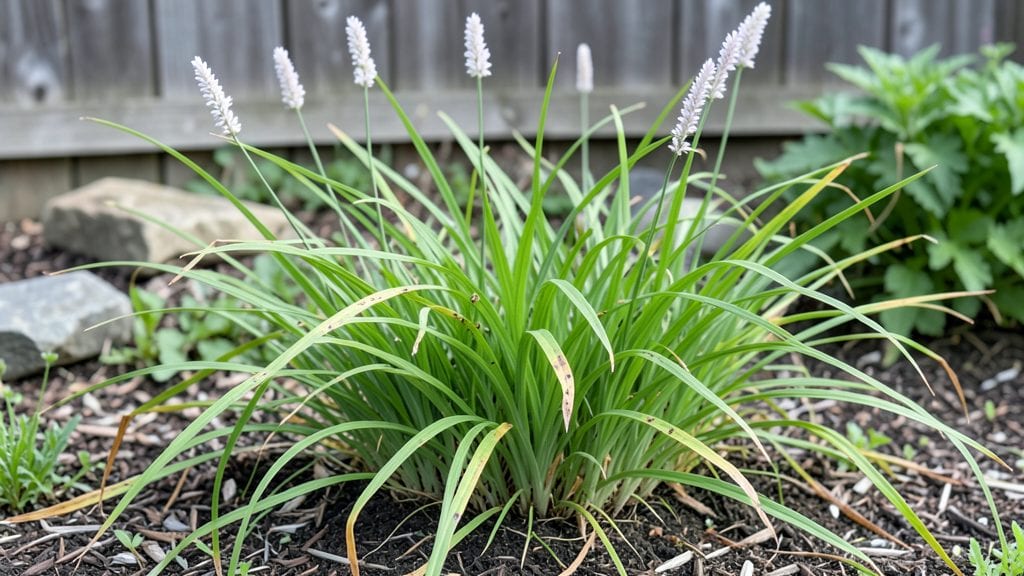
Growing lemon grass in your garden means fresh, fragrant stalks for cooking right outside your door. 🌿 I’ve learned the hard way that planting too early or in the wrong soil kills the roots before they take hold, but once you nail these basics, you’ll have a steady supply of this citrusy staple.
The key is warm soil and consistent moisture—think of it like growing a tropical plant in your backyard. Start with a pot or in-ground bed where temperatures stay above 60°F, and use well-draining soil mixed with compost.
Water deeply once a week, keeping the soil damp but never soggy, and you’ll see those signature stalks thicken in just 8-10 weeks.
Harvesting is simple: snip the stalks at the base when they’re 12-18 inches tall, and they’ll regrow for months. The aroma alone makes it worth growing, but the real payoff is fresh lemongrass for curries, teas, or garnishes—no store-bought substitutes needed.
Plus, the clumps spread over time, so you’ll have more than you know what to do with.
Even if you’ve killed plants before, lemon grass is forgiving—just avoid cold snaps and overwatering. With the right care, you’ll be harvesting stalks all season long, and your kitchen (and neighbors) will thank you.
📚 In This Guide
- What you need
- Instructions
- Tips and common mistakes
- Wrapping up and next steps
What you need
- ● Lemon grass plants or seeds: 3–5 healthy starter plants (from a nursery) or 1–2 packets of seeds (if growing from scratch). Opt for Cymbopogon citratus for the best culinary quality.
- ● Well-draining potting mix: 5–10 gallons (depending on pot size). A blend of 50% garden soil, 30% compost, and 20% perlite/sand works best.
- ● Containers or garden bed: For pots: 3–5 large containers (12–18 inches deep) with drainage holes. Terracotta or fabric pots are ideal.
- ● For in-ground planting: A sunny spot with loose, fertile soil (6+ hours of sunlight daily).
- ● Watering can or hose: With a gentle spray nozzle for even moisture.
- ○ Fertilizer (optional but recommended): A balanced 10-10-10 or organic fertilizer (like fish emulsion) to boost growth.
- ● Gloves: Garden gloves to protect your hands from sharp leaves.
- ● Pruning shears: Sharp, clean shears for harvesting and trimming.
- ○ Mulch (optional): Straw or wood chips to retain moisture and suppress weeds.
- ○ pH testing kit (optional): To ensure soil pH is between 6.0–7.0 (lemon grass thrives in slightly acidic to neutral soil).
- ○ Shade cloth (optional): Lightweight cloth for seedlings if your climate gets too hot.
How to grow and harvest lemon grass for culinary use
Here's how to cultivate fragrant, productive lemon grass plants that'll make your kitchen smell amazing.
🌱 Step 1: Choose the Right Location and Prepare the Soil
Lemon grass thrives in full sun to partial shade, so pick a spot that gets at least 4-6 hours of sunlight daily. I always test the soil first—it needs to drain well but stay moist, so amend heavy clay with 2-3 inches of compost to improve texture. Lemon grass dislikes soggy roots, so avoid low-lying areas where water pools.
Loosen the top 6 inches of soil with a garden fork to help roots spread easily. The plant's rhizomes grow horizontally, so good soil contact is key. If your soil is sandy, mix in a little peat moss to help retain moisture without suffocating the roots.
🪴 Step 2: Plant Lemon Grass Rhizomes or Starts
Plant rhizomes 2-3 inches deep and 12-18 inches apart in rows. Space them closer if you want a dense border, but give them room to spread if you're growing for harvest. I like to plant them in early spring after the last frost—this gives the roots plenty of time to establish before winter.
For container growing, use pots at least 12 inches wide and deep with drainage holes. Place one rhizome per pot, covering it with 2 inches of soil. Water immediately after planting to help settle the soil around the rhizome. The first sign of success? Bright green leaves appearing within 3-4 weeks.
☀️ Step 3: Water and Fertilize for Optimal Growth
Keep the soil consistently moist but never waterlogged—lemon grass wilts quickly when thirsty. Water at the base of the plant in the morning so leaves dry quickly, reducing fungal risks. I aim for 1-1.5 inches of water per week, adjusting for rain. Mulch with 2 inches of straw or wood chips to retain moisture and keep roots cool.
Fertilize lightly every 6-8 weeks with a balanced 10-10-10 fertilizer or compost tea. Too much nitrogen makes the plant grow leaves at the expense of the fragrant stalk. Watch for yellowing leaves—that's your cue to cut back on fertilizer or water.
✂️ Step 4: Harvest Stems for Culinary Use
Harvest when the stalks reach 12-18 inches tall and the leaves are fully unfurled. Use clean, sharp pruners to cut the stalk 6-8 inches from the ground. This leaves enough growth to regenerate. I harvest every 2-3 months from established plants, and they keep producing for years.
For the best flavor, use the lower 6-8 inches of the stalk where the oils are most concentrated. The upper leaves are edible but less fragrant. Store harvested stalks in the freezer or dry them for later use. You'll know you're harvesting right when the cut stalks release that bright citrusy aroma.
🌿 Step 5: Overwinter and Maintain Plants
In colder climates, lemon grass is tender and won't survive frost. Before the first freeze, dig up rhizomes, trim the foliage, and store them in dry sand or peat moss in a cool, dark place. In warmer zones, mulch heavily with 4-6 inches of straw to protect roots. I've had plants survive mild winters with this method.
Prune dead or yellowing leaves throughout the season to encourage new growth. Divide clumps every 2-3 years to keep plants vigorous. You'll know it's time when you see multiple stalks emerging from a single root mass—simply dig up, separate, and replant.
Tips & tricks for perfect lemon grass cultivation
Growing lemon grass successfully comes down to a few key details that most gardeners overlook—here's what I've learned after years of trial and error.
Sunlight and Soil Secrets: In Step 1, when choosing your location, pay special attention to the 4-6 hours of sunlight requirement. Morning sun is ideal—it warms the soil gently and prevents stress on the plants. For the 2-3 inches of compost amendment, I like to mix in a handful of worm castings too—they add beneficial microbes that help the rhizomes establish faster. The soil should feel like a damp sponge, not a soggy mess.
The Planting Technique That Changed Everything: When you're planting those 2-3 inches deep in Step 2, make sure the rhizome's growing tip faces upward—it's like planting a potato, not a seed. For container growing, I've found that adding a layer of perlite to the bottom of the 12-inch pot improves drainage dramatically. And trust me on this: if you're impatient like I used to be, don't harvest until you see those bright green leaves appear after 3-4 weeks—rushing leads to weak stalks.
Watering Wisdom: The 1-1.5 inches of water per week guideline in Step 3 is perfect, but timing matters just as much. I water my lemon grass right after sunrise so the leaves have all day to dry out. This prevents fungal issues that can turn your fragrant stalks into sad, brown messes. The 2 inches of mulch is your secret weapon—it keeps moisture consistent and blocks weeds that compete for nutrients.
Harvesting Like a Pro: When you're ready to harvest those 12-18 inch stalks in Step 4, here's my game-changer: use a serrated knife instead of pruners for cleaner cuts. And here's what nobody tells you—after your first harvest, you'll notice new shoots emerging from the base. These baby stalks are actually more flavorful than the mature ones! Just let them grow to 6-8 inches before harvesting again in 2-3 months.
Pro Tips for Lemon Grass In The Garden
- Growing lemon grass successfully comes down to a few key details that most gardeners overlook—here's what I've learned after years of trial and error.
- Sunlight and Soil Secrets: In Step 1, when choosing your location, pay special attention to the 4-6 hours of sunlight requirement.
- The Planting Technique That Changed Everything: When you're planting those 2-3 inches deep in Step 2, make sure the rhizome's growing tip faces upward—it's like planting a potato, not a seed.
Frequently asked questions
Got questions about growing lemon grass in your garden?
Here are some of the most common concerns—plus straightforward answers to help you cultivate this fragrant, versatile plant with confidence!
How long does it take for lemon grass to grow enough for harvesting?
Lemon grass typically takes 3 to 4 months to reach full maturity from seed, but if you plant cultivar stalks (like 'Mae Pak' or 'Citronella'), you can harvest usable stalks in just 2 to 3 months. The stalks are ready when they’re 12 to 18 inches tall and the lower leaves have formed a tight, pale green base.
Can lemon grass survive winter in cold climates?
Lemon grass is a tropical plant and won’t tolerate frost—temperatures below 25°F (-4°C) will kill it. In colder zones (USDA 8 and below), grow it in containers and move it indoors during winter, or treat it as an annual. If you live in a warmer climate (zones 9–11), it can thrive year-round outdoors!
What’s the best way to harvest lemon grass without killing the plant?
Use a sharp knife or pruning shears to cut stalks at the base, leaving 4–6 inches of growth to regenerate. Avoid harvesting more than 1/3 of the plant at once—this ensures new shoots sprout quickly. For continuous harvests, trim outer stalks first, letting the center grow stronger. Pro tip: Harvest in the morning for the most potent citrus aroma!
Why is my lemon grass turning yellow or dying?
Yellowing or dying lemon grass is often caused by overwatering (root rot), poor drainage, or nutrient deficiency. Ensure it’s in well-draining soil and water only when the top inch is dry. If leaves turn yellow, fertilize with a balanced, low-nitrogen mix (like 5-5-5) every 2–3 months. Pests like aphids or mites can also stress the plant—spray with neem oil if needed.
Can I grow lemon grass indoors, and what’s the easiest alternative if it doesn’t thrive?
Yes! Lemon grass grows well indoors in bright, indirect light (like a sunny windowsill) with 6+ hours of light daily. If outdoor growth is tricky, try citronella grass (a hardier cousin) or West Indian lemongrass—both have similar flavors and are easier to maintain. For a non-plant option, lemon verbena or lemon balm add citrusy notes to dishes!
Wrapping up and next steps
Growing lemon grass in your garden is a rewarding way to bring fragrant, versatile flavor to your kitchen while enjoying the beauty of its tropical charm.
Whether you’re a seasoned gardener or just starting out, this hardy plant thrives with minimal effort—just a sunny spot, well-draining soil, and a little patience. Now that you’re equipped with the how-tos and answers to common questions, it’s time to roll up your sleeves and plant!
Start small—even a single stalk can multiply into a lush patch. Once established, share your harvest with friends or experiment with new recipes. Your garden (and taste buds) will thank you! 🌱✨