
Size
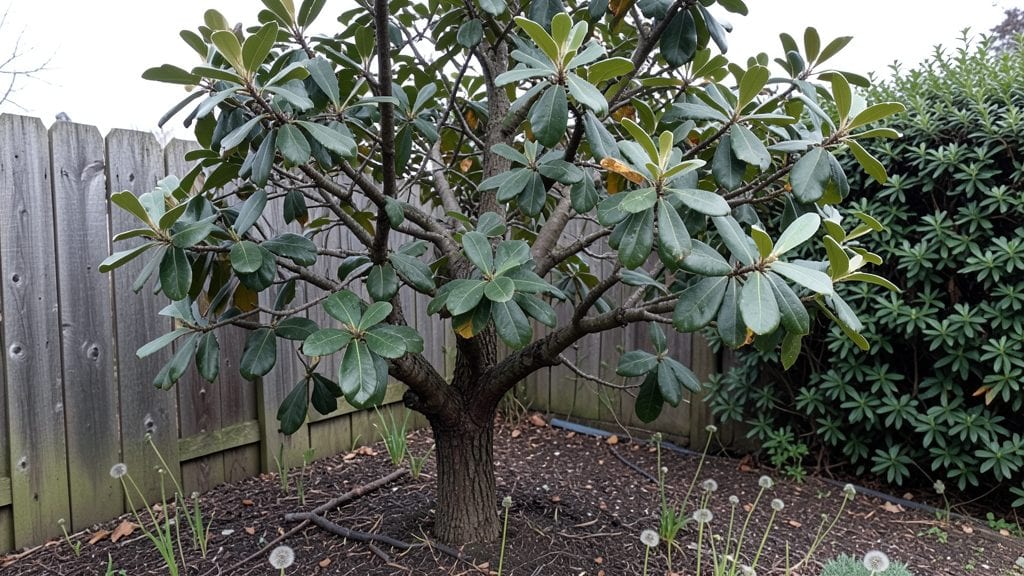
Growing a loquat tree in your garden means sweet, citrusy fruit that tastes like a cross between peach and apricot—right in your own backyard. 🌱 I’ve grown mine in containers and in-ground, and the key is mimicking its native tropical climate while keeping it simple.
The secret isn’t complicated: rich, well-draining soil, protection from harsh winters, and a little patience for the first few years.
Loquats thrive in USDA Zones 8-11, but with the right care, you can push their limits in cooler climates by planting in containers or against a sunny wall. Start with a 5-gallon pot for young trees, then upgrade to larger containers as they grow.
They love full sun but tolerate partial shade, making them perfect for patios or small gardens where space is tight.
Once established, your tree will reward you with harvests in late winter or early spring, when most fruit trees are still dormant. The fruit ripens in clusters, and the scent alone—like a mix of citrus and honey—makes the wait worthwhile.
Prune lightly in late winter to shape the tree and remove dead wood, and you’ll avoid common issues like overcrowded branches or disease.
Here’s the best part: loquats are drought-tolerant once mature, so watering becomes less of a chore over time. Just watch for signs of stress—yellowing leaves or fruit drop—and adjust your care.
Whether you’re in Florida or California, this guide will help you grow a thriving tree that produces fruit year after year.
📚 In This Guide
- What you need
- Instructions
- Tips and common mistakes
- Wrapping up and next steps
What you need
- ● Loquat Tree: 1–3 dwarf or semi-dwarf saplings (2–3 ft tall, available at nurseries or online)
- ● Container option: 15–25 gallon pot with drainage holes (for dwarf varieties)
- ● Soil: Well-draining, slightly acidic soil (pH 5.5–6.5)
- ● 5–10 lbs of compost or aged manure (mixed into planting hole or pot soil)
- ○ Optional: 1–2 cups of perlite or sand (for sandy/heavy soils)
- ● Fertilizer: Balanced fruit tree fertilizer (10-10-10 or 6-6-6 NPK ratio, 1 lb per tree)
- ● Slow-release option: 1–2 cups of osmocote (mixed into soil)
- ● Tools: Trowel or small shovel
- ● Garden gloves (for protection)
- ● Watering can or hose (with gentle spray nozzle)
- ○ Optional: Mulch (2–3 inches of pine bark or wood chips)
- ● Hardiness Zones: 7–10 (loquats thrive in warm climates but can tolerate brief cold snaps down to 15°F)
- ● Sunlight: Full sun (6+ hours daily) for best fruit production
- ● Space: Dwarf varieties: 6–8 ft apart (or 1 tree per 15–25 gallon pot)
- ● Standard trees: 15–20 ft apart (for airflow and sunlight)
- ● Water: 1–2 inches per week (drip irrigation or deep watering 2–3x/week)
- ● Test your soil’s pH before planting—loquats hate alkaline soil! Adjust with sulfur if needed.
- ● If planting in pots, use a lightweight potting mix to avoid root rot.
- ● Young trees benefit from shade cloth (30–50%) in scorching climates.
Step-by-step instructions for growing a loquat tree
Here’s how to nurture a tropical loquat tree into a thriving fruit producer—even in cooler climates.
🌱 Step 1: Choose the Right Location and Plant Your Tree
Loquat trees thrive in full sun with at least 6-8 hours of direct light daily. If you’re in a cooler zone, pick a sheltered spot against a south-facing wall or fence to capture reflected warmth. Dig a hole twice as wide as the root ball but no deeper—this prevents soil compaction around the roots.
Place the tree so the top of the root ball sits 1 inch above ground level. This ensures proper drainage and prevents waterlogging, which loquats hate. Backfill with a mix of native soil and compost (if not already included in your planting mix), tamping gently to remove air pockets. Water deeply right after planting to settle the soil and encourage root contact.
☀️ Step 2: Provide Year-Round Care for Optimal Growth
Loquats need consistent moisture but despise soggy soil. Water once a week during the first growing season, adjusting for rainfall—aim to keep the top 6 inches of soil lightly moist. In hotter months, you may need to water every 4-5 days, especially if the leaves start curling at the edges (a classic sign of thirst).
Fertilize lightly in early spring with a balanced 10-10-10 fertilizer (use ½ cup per tree). Avoid heavy feeding in late summer—it encourages tender new growth that won’t survive winter. Mulch around the base with 2-3 inches of organic mulch (like wood chips) to retain moisture and regulate soil temperature. Keep mulch 6 inches away from the trunk to prevent rot.
✂️ Step 3: Prune for Shape and Fruit Production
Prune your loquat tree in late winter or early spring before new growth begins. Remove any dead, diseased, or crossing branches first—these compete for energy and can spread issues. Then, thin out overcrowded branches to improve airflow, aiming for an open, vase-like shape. This lets sunlight reach the center of the tree, where fruit develops.
Never prune more than one-third of the tree’s canopy at once. Loquats are sensitive to heavy pruning, and aggressive cuts can stress the tree, reducing fruit set. After pruning, give the tree a light fertilizer boost (like a handful of compost around the base) to help it recover and prepare for the growing season.
🌿 Step 4: Protect and Winterize for Cold Climates
If you’re in a USDA Zone 8 or colder, loquats need winter protection. Wrap the trunk with burlap or tree guard in late fall to shield it from cold winds and frost. In areas with hard freezes (<20°F), mound 4-6 inches of mulch around the base of the tree to insulate the roots. Avoid heavy mulch in warmer zones—it can trap too much moisture and cause rot.
Loquats are evergreen in warmer climates, but in colder areas, they may drop leaves in winter. Don’t panic—this is normal. Resume regular watering in early spring once new growth appears. If your tree loses leaves due to frost, prune back any blackened or mushy branches in early spring to encourage fresh growth.
🍊 Step 5: Harvest and Encourage Future Fruit
Loquats ripen in late winter to early spring, often before leaves fully emerge. Harvest when fruit is soft to the touch and gives slightly under gentle pressure. Use pruning shears to cut stems cleanly—never pull fruit off, as this can damage the branch. Ripe loquats are fragrant and sweet; unripe ones are tart and firm.
After harvest, feed the tree with a low-nitrogen fertilizer (like 5-10-10) to replenish nutrients. This supports next year’s flower buds, which form on current season’s growth. Thin out excess fruit if needed—leave 6-8 inches between each fruit to ensure larger, higher-quality loquats. Overcrowded fruit leads to small, underdeveloped harvests.
Tips & tricks for perfect loquat tree growth
Here's what I've learned from years of growing loquat trees—these small details make all the difference between a struggling plant and a fruit-bearing treasure.
Sunlight Strategy: Those 6-8 hours of direct sunlight are non-negotiable, but here's the thing: east-facing locations give you the perfect balance. Morning sun warms the tree gently while avoiding the harsh afternoon heat that can scorch leaves. If your yard has limited sun, consider a south-facing wall—it reflects warmth back to the tree during cooler parts of the day.
Watering Wisdom: The once-a-week guideline works for most climates, but I've found that checking soil moisture is more reliable than counting days. Stick your finger 2 inches into the soil—if it feels dry, water deeply. The key is consistent moisture at the root level, not soggy surface soil. In containers, you'll need to water more frequently since pots dry out faster.
Pruning Precision: When you're pruning in late winter, focus on removing branches that cross or grow inward first—they're the biggest culprits for poor airflow and disease. I like to use clean, sharp pruners and make cuts just outside the branch collar (that swollen area where the branch meets the trunk). This promotes faster healing and prevents unsightly stubs that can rot over time.
Winter Protection Hacks: For Zone 8 and colder, wrap the trunk with burlap or tree guard in late fall—this is your first line of defense against cold winds. I've also had success using old sweaters or thick fabric for smaller trees. In areas with hard freezes, add a layer of straw mulch over the root zone after the initial 4-6 inches of wood chips. This extra insulation can make all the difference when temperatures drop below 20°F.
Pro Tips for Loquat Tree Grow A Garden
- Here's what I've learned from years of growing loquat trees—these small details make all the difference between a struggling plant and a fruit-bearing treasure.
- Sunlight Strategy: Those 6-8 hours of direct sunlight are non-negotiable, but here's the thing: east-facing locations give you the perfect balance.
- Watering Wisdom: The once-a-week guideline works for most climates, but I've found that checking soil moisture is more reliable than counting days.
Frequently asked questions
Got questions about growing loquat trees? You’re not alone! Here are answers to the most common concerns—from planting to troubleshooting—so you can enjoy sweet, tropical fruit without the guesswork.
What’s the best climate for growing a loquat tree?
Loquat trees thrive in USDA Zones 8–11, where winters stay above 20°F (-6°C). In colder zones, grow them in containers and overwinter indoors. They love warm, humid summers and mild winters—think coastal or subtropical regions!
How long does it take for a loquat tree to bear fruit?
Patience is key! Young trees may take 3–5 years to produce fruit, depending on variety and care. Dwarf varieties can fruit sooner (2–3 years), while standard trees may need 5+ years. Keep them healthy with sun, water, and fertilizer to speed things up!
How often should I water a loquat tree?
Water deeply 1–2 times per week during the first year, then every 10–14 days once established (adjust for heat/drought). Loquats hate soggy roots, so ensure well-draining soil. Mulch helps retain moisture—just keep mulch 3–4 inches away from the trunk to prevent rot.
What pests or diseases should I watch for?
Common issues include:
- Scale insects (sticky sap on leaves) – Treat with horticultural oil.
- Fungal diseases (like anthracnose) – Prune for airflow and avoid overhead watering.
- Root rot – Ensure drainage and avoid overwatering.
Can I grow a loquat tree in a container?
Dwarf varieties (like ‘Big Jim’ or ‘Champagne’) work best in 15–20 gallon pots. Use a fast-draining mix (cactus/succulent blend) and move containers indoors when temps drop below 30°F (-1°C). Just ensure the pot has drainage holes—loquats hate wet feet!
Wrapping up and next steps
Growing a loquat tree in your garden is a rewarding journey that brings a taste of the tropics right to your doorstep! 🌿 With the right soil, sunlight, and care, you’ll enjoy fragrant blossoms and sweet, juicy fruit in just a few years.
Start small—whether in a pot or the ground—and watch your loquat tree thrive.
Now that you’re armed with tips and tricks, take the first step today! Plant your tree, nurture it with love, and soon you’ll be harvesting homegrown loquats. Happy gardening—your tropical oasis awaits! 🌱✨