
Landscaping
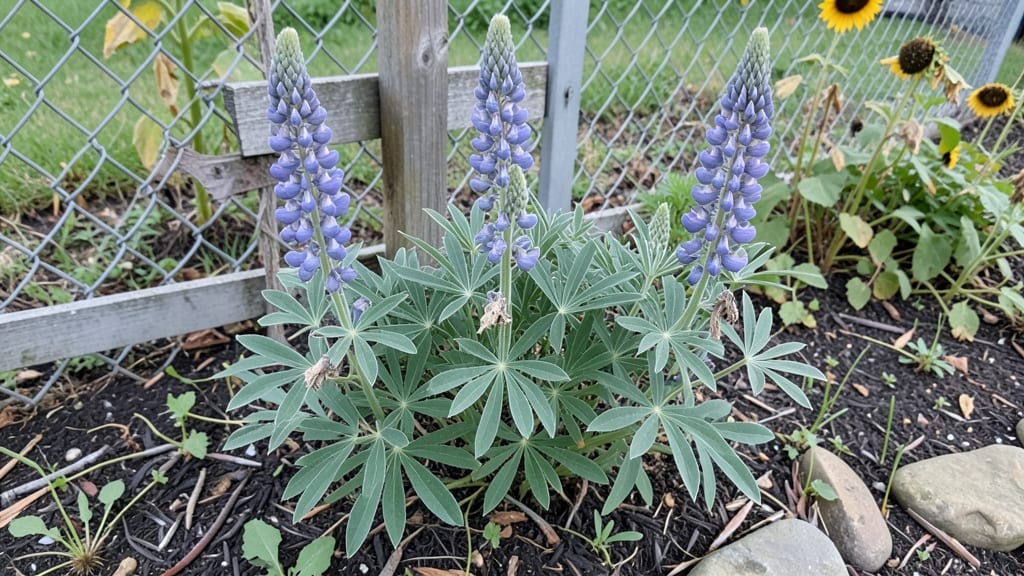
Lupine garden design transforms any sunny spot into a drought-tolerant purple paradise that hums with pollinators and stands out all season long. 🌿 I’ll never forget the first time I saw a lupine border—those towering spikes of blue-violet blooms against a cottage garden’s soft greens, like nature’s own watercolor stroke.
The key isn’t just planting them; it’s arranging them to create drama, texture, and seasonal interest that keeps your garden looking intentional from spring through fall.
Start with their natural height range—2 to 5 feet—to anchor borders, soften fences, or frame pathways. Mix tall varieties like ‘Russell Hybrid’ with shorter types like ‘Chief Joseph’ for layered visual impact, and pair them with silvery foliage like lamb’s ear or spiky grasses for contrast.
Lupines thrive in full sun with well-draining soil, making them perfect for slopes, rain gardens, or even container arrangements where other plants might struggle.
What you’ll end up with is a garden that feels both wild and polished—lupines attract bees, deter pests, and add bold vertical lines that draw the eye upward. Their spring blooms create a showstopper, while their seed pods add autumn texture.
The best part? Once established, they’re nearly maintenance-free, blooming year after year with minimal water once their roots take hold.
Works in everything from formal herbaceous borders to wildflower meadows, and even as a striking focal point in small spaces. Whether you’re going for cottage charm, modern minimalism, or a pollinator-friendly oasis, lupines deliver drama with minimal effort. Let’s get designing!
📚 In This Guide
- What you need
- Instructions
- Tips and common mistakes
- Wrapping up and next steps
What you need
- ● Lupine seeds or seedlings: Choose Lupinus perennis (wild blue lupine) or Lupinus polyphyllus (tall garden lupine) for variety. Aim for 10–20 plants per 100 sq. ft. for a lush look.
- ● Well-draining soil: Mix 50% native soil with 50% compost (or cactus/succulent mix for extra drought resistance). Lupines hate soggy roots!
- ● Mulch: 2–3 inches of gravel, bark, or straw to retain moisture and suppress weeds.
- ● Garden gloves (to protect your hands from prickly stems).
- ● Hand trowel or transplant spade (for planting seeds/seedlings).
- ● Pruners (sharp, clean ones for trimming spent blooms).
- ● Watering can or hose with a gentle spray nozzle (lupines prefer deep but infrequent watering).
- ● Measuring tape or grid (to map out plant spacing—12–18 inches apart for optimal airflow).
- ● Companion plants: Pair with salvia, lavender, or yarrow for a pollinator-friendly garden.
- ● Decorative rocks or stepping stones to frame pathways and add texture.
- ● Slow-release fertilizer (low-phosphorus, like 10-10-10, applied once at planting).
- ● Birdhouses or bee hotels—lupines attract hummingbirds and bees!
How to design a stunning lupine garden with minimal water
Here's how I create a vibrant, low-maintenance lupine display that thrives in full sun and drought.
🌱 Step 1: Choose the Right Lupine Varieties for Your Climate
Lupines come in different heights and colors, so select varieties that match your space. For drought-tolerant performance, I recommend Russell Hybrid lupines (tall, 3-5 feet) or Nana Compact (shorter, 1-2 feet). These handle heat and dry spells better than others.
Check your USDA hardiness zone—most lupines thrive in zones 3-9. If you live in a hot, dry area, opt for silverleaf lupines (they reflect sunlight and stay cooler). Plant them where they’ll get 6+ hours of direct sun—that’s their secret to drought resilience.
☀️ Step 2: Select a Sunny, Well-Drained Location
Lupines hate soggy roots, so pick a spot with fast-draining soil. If your yard has heavy clay, mix in 1-2 inches of coarse sand or gravel into the top 6 inches of soil. I like to test drainage by digging a 6-inch hole, filling it with water, and watching how fast it drains—if it takes longer than 30 minutes, amend the soil.
For a striking display, group lupines in odd-numbered clusters (3, 5, or 7 plants). Space them 18-24 inches apart for full, lush growth. If planting near a fence or wall, place taller varieties at the back and shorter ones in front to create depth.
🪴 Step 3: Plant Lupines at the Right Depth and Time
Dig holes twice as wide as the root ball but only as deep as the container’s base. Lupines have deep taproots, so handle them gently—never prune the roots at planting. Place the plant in the hole, firm the soil around it, and water deeply to settle everything.
For best results, plant lupines in early spring (after the last frost) or early fall. If you’re in a mild climate, fall planting gives roots time to establish before summer heat. Mulch with 1-2 inches of gravel or bark (not organic mulch—it retains too much moisture).
💧 Step 4: Water Sparingly but Deeply After Planting
Lupines are drought-tolerant once established, but new plants need consistent moisture for the first 4-6 weeks. Water deeply once a week (about 1 gallon per plant) until the soil is 6 inches deep and damp. Avoid overhead watering—it can cause fungal issues.
After the first month, reduce watering to every 2-3 weeks unless your area has extreme heat. You’ll know they’re getting enough water when the leaves stay deep green and the stems remain upright. If leaves yellow or wilt, water again—this is their signal for help.
✂️ Step 5: Maintain with Minimal Pruning and Deadheading
Lupines are low-maintenance, but a little care keeps them looking their best. After flowering, cut back spent blooms to encourage a second flush of flowers. I use clean, sharp pruners and snip just above a set of leaves to avoid damaging the stem.
In late fall or early winter, cut back the entire plant to 6 inches tall. This prevents disease and keeps the garden tidy. Lupines are perennial in most zones, so they’ll return year after year with even fewer demands for water.
Tips & tricks for perfect lupine garden design
Creating a stunning lupine garden takes a little strategy—here are my go-to tricks for making your purple blooms thrive with minimal fuss.
Variety Selection: When choosing between Russell Hybrid (3-5 feet) and Nana Compact (1-2 feet) lupines, consider your space and design goals. The Russell Hybrids create dramatic vertical interest, while Nana Compacts work beautifully for borders or containers. For hot, dry climates, silverleaf varieties reflect sunlight naturally, reducing stress on the plants during peak summer.
Soil Prep Secret: The 30-minute drainage test in Step 2 is your best friend—don't skip it! If your soil drains poorly, mix in 1-2 inches of coarse sand or gravel into the top 6 inches. I've seen lupines struggle in heavy clay even when watered properly. Pro tip: Test multiple spots in your yard before deciding on a location.
Planting Depth: Those deep taproots need room to grow! When planting, resist the urge to bury lupines deeper than their container's base. The roots will naturally seek deeper soil, but compacted layers can strangle their growth. Gently firm the soil around the roots to eliminate air pockets without pressing too hard.
Watering Wisdom: The first 4-6 weeks are critical—stick to that once-weekly deep watering (1 gallon per plant) even if it feels excessive. You'll know you're doing it right when the soil stays damp 6 inches down. After establishment, let the plants teach you: yellowing leaves mean it's time to water, but soggy soil means you've gone too far.
Pro Tips for Lupine Garden Design
- Creating a stunning lupine garden takes a little strategy—here are my go-to tricks for making your purple blooms thrive with minimal fuss.
- Variety Selection: When choosing between Russell Hybrid (3-5 feet) and Nana Compact (1-2 feet) lupines, consider your space and design goals.
- Soil Prep Secret: The 30-minute drainage test in Step 2 is your best friend—don't skip it!
Frequently asked questions
Got questions about designing a stunning lupine garden? You’re not alone—this versatile plant can be a game-changer for your outdoor space! Here are answers to some of the most common queries to help you get started with confidence.
How much sunlight do lupines need for optimal growth?
Lupines thrive in full sun (6+ hours of direct sunlight daily) for the most vibrant blooms, but they’ll tolerate partial shade—just expect slightly fewer flowers. If your garden gets afternoon shade, choose varieties like Lupinus polyphyllus (which handles cooler conditions better).
Are lupines drought-tolerant once established?
Once rooted, lupines are drought-resistant thanks to their deep taproots. Water them deeply but infrequently (about once a week) during the first growing season to encourage strong roots. Once mature, they’ll survive on natural rainfall—perfect for low-maintenance gardens!
What’s the best way to prepare soil for lupines?
Lupines prefer well-draining, slightly acidic to neutral soil (pH 6.0–7.0). Amend heavy clay with compost or sand, and avoid overly rich soil—too much nitrogen can reduce blooms. A light layer of mulch (wood chips or straw) helps retain moisture and keeps roots cool.
When should I plant lupines for the best results?
For spring blooms, plant lupine seeds in early spring (as soon as soil is workable). If starting from seedlings, transplant in late spring after the last frost. In warmer climates, you can sow seeds in fall for winter interest—just protect them from heavy rain.
How do I deal with pests like aphids or slugs?
Lupines are generally pest-resistant, but aphids or slugs may visit. Handpick slugs at night or use beer traps. For aphids, spray with soapy water or introduce ladybugs. Avoid chemical pesticides—they can harm pollinators! A healthy plant with good airflow deters most issues naturally.
Wrapping up and next steps
Designing a lupine garden isn’t just about adding color—it’s about creating a low-maintenance, drought-resistant paradise that thrives with minimal effort. These vibrant purple blooms bring beauty and resilience to sunny spaces, proving that stunning gardens can be both practical and breathtaking.
Whether you’re a seasoned gardener or just starting, your lupine haven is ready to inspire.
Ready to dive in? Start small! Plant a few lupines in a sunny spot, observe how they grow, and let their magic unfold. Soon, you’ll be dreaming up bigger designs—maybe even a full lupine-themed retreat. Your garden’s next masterpiece awaits! 🌸