
Landscaping
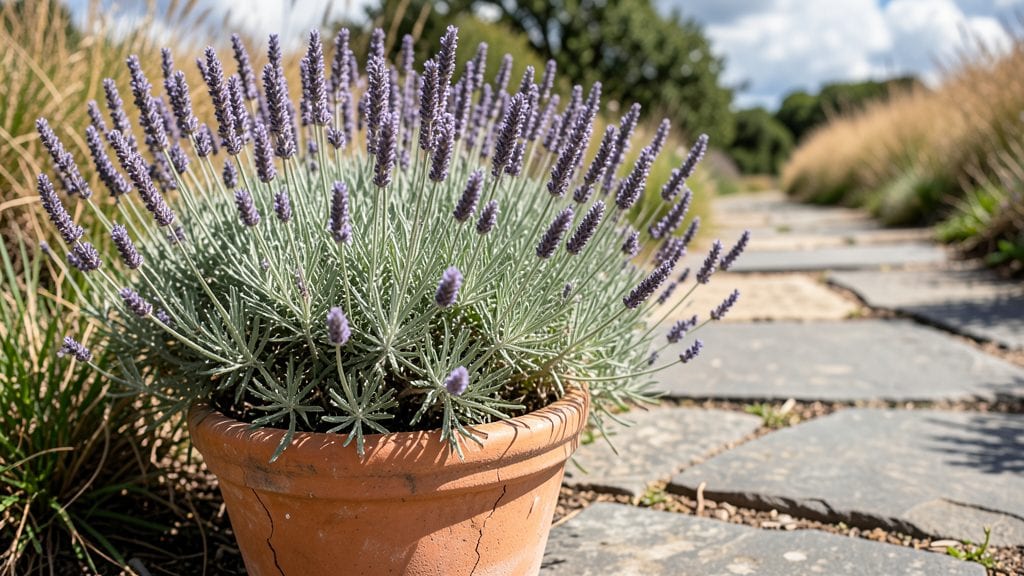
My Mediterranean garden design starts with sunbaked stone and the scent of crushed lavender underfoot—layers that feel ancient yet effortless to create. The key isn’t just drought-tolerant plants or terracotta pots; it’s the way light dances through olive trees while rosemary bushes spill over rough-hewn walls.
This isn’t about perfection—it’s about crafting a space that whispers "holiday in Provence" with every clipped hedge and winding pathway.
You’ll need sun-loving plants like thyme, sage, and bougainvillea that thrive on neglect, plus hardscaping that feels intentional rather than fussy. Think rough-hewn stone borders, simple arbors draped with wisteria, and pathways that invite strolling.
The magic happens in the details: a single olive tree as a focal point, a mix of evergreen and seasonal blooms, and water features that hum quietly in the background. Even in small spaces, this style delivers drama with minimal upkeep.
By the end, you’ll have a garden that stays lush through summer droughts and still smells like a Tuscan hillside in winter. The lavender stays fragrant even when dry, the rosemary’s needlelike leaves add texture, and the stone pathways age to a warm, lived-in patina.
It’s the kind of garden that makes neighbors pause to ask where you found the secret—and the answer is right here.
This design works whether you’re in California, the South, or even a temperate climate with hot summers. The principles are universal: sun, stone, and scent. Let’s build yours layer by layer, starting with the foundation that makes everything else feel effortless.
📚 In This Guide
- What you need
- Instructions
- Tips and common mistakes
- Wrapping up and next steps
What you need
- ● Soil & Mulch: Well-draining garden soil (50–100 sq. ft. bags, depending on garden size)
- ● Organic mulch (pine bark or straw, 2–3 cubic yards)
- ● Hardscaping: Flagstone or local stone pavers (20–50 sq. ft. per pathway, 1–2" thick)
- ● Gravel (pebbles or crushed stone, 1–2 tons for pathways/drainage)
- ● Terracotta pots (mix of small, medium, and large—10–20+ depending on scale)
- ● Plants: Fragrant herbs: Rosemary, lavender, thyme, oregano, sage (3–5 plants per type)
- ● Drought-tolerant shrubs: Olive trees, bougainvillea, or lavender bushes (1–3 per variety)
- ● Climbing vines: Jasmine, wisteria, or clematis (1–2 plants)
- ● Perennials: Salvia, sedum, or agave (5–10 plants)
- ● Essentials: Shovel & spade
- ● Garden trowel
- ● Wheelbarrow (for hauling soil/mulch)
- ● Pruners (bypass for clean cuts)
- ● Rake & hoe
- ● Measuring tape & string (for layout)
- ● Level (for hardscaping)
- ○ Optional (but helpful!): Post-hole digger (for trellises)
- ● Wheelbarrow dolly (for heavy stones)
- ● Soil pH tester (to ensure Mediterranean-friendly acidity, ~6.0–7.5)
- ● Hose with adjustable nozzle (for watering)
- ● Site Prep: Full-sun exposure (6+ hours daily) or partial shade for delicate herbs
- ● Slope analysis (Mediterranean gardens thrive on gentle inclines for drainage)
- ● Utility checks (avoid burying irrigation lines under pathways!)
- ● Permits (if applicable): Check local regulations for permanent structures (e.g., stone walls, trellises)
- ● Budget Tips: Start small—prioritize herbs and pathways first
- ● Repurpose salvaged materials (old pots, bricks, or driftwood for rustic touches)
Instructions for crafting a Mediterranean-inspired garden layout
Here's how to create a sun-drenched, layered garden that feels like a stroll through Provence.
Define Your Garden’s Sun and Shade Zones
Start by mapping your garden’s sunlight patterns throughout the day. Mediterranean gardens thrive in full sun, so identify areas that receive at least 6-8 hours of direct sunlight daily. Use a tape measure to mark zones where you’ll place sun-loving plants like lavender, rosemary, and olive trees. Shade from nearby structures or trees will naturally create cooler spots—these are perfect for herbs like thyme or mint that prefer partial shade.
I like to sketch a rough layout on graph paper, dividing the space into squares representing 3-foot sections. This helps visualize how plants will interact with sunlight and each other. Walk through your garden at different times of day to note where shadows fall and adjust your plan accordingly.
Layer Plants for Depth and Texture
Mediterranean gardens rely on height variation to create visual interest. Begin with a backdrop of tall, structural plants like olive trees or cypress shrubs along fences or walls. These provide height and frame the garden. Next, add mid-height plants such as lavender, rosemary, or dwarf citrus in 3-foot-tall clusters, spaced 2-3 feet apart to allow airflow and prevent disease.
Fill the lower layers with trailing plants like creeping thyme or ornamental grasses. These soften the edges and add movement. I always leave 1-foot gaps between plants to avoid overcrowding, which Mediterranean plants dislike. Group plants with similar water needs together to simplify care later.
Incorporate Pathways and Hardscaping
Use gravel, stone, or flagstone to create winding pathways that guide visitors through the garden. A 2-foot-wide path made of irregularly shaped stones mimics traditional Mediterranean designs and adds charm. Place stepping stones or pavers at key junctions to define seating areas or focal points. Avoid straight lines—curved paths feel more natural and inviting.
Add raised beds or sunken planters to create contrast. These not only add visual interest but also help manage soil quality in different microclimates. I often line pathways with low-growing herbs like oregano or marjoram to define edges and add fragrance underfoot.
Add Fragrant and Functional Elements
Mediterranean gardens are renowned for their sensory appeal. Plant fragrant herbs like rosemary, lavender, and sage near seating areas or entry points so their scents can be enjoyed up close. Place a small fountain or water feature in a sunny spot to attract birds and add soothing sounds. Even a simple 1-gallon basin filled with water and floating plants creates a tranquil focal point.
Include practical elements like a trellis for climbing roses or a small pergola draped with jasmine. These not only provide shade but also encourage vertical growth, maximizing space in smaller gardens. I always add a few climbing plants to soften the edges of structures and create a sense of movement.
Mulch and Maintain for Long-Term Beauty
Spread a 2-3 inch layer of gravel or coarse mulch around plants to retain moisture, suppress weeds, and enhance the Mediterranean aesthetic. Avoid organic mulches like wood chips, as they can attract pests in hot, dry climates. Water deeply but infrequently—once a week during dry spells—to encourage deep root growth and drought tolerance.
Prune plants regularly to maintain their shape and encourage bushier growth. Trim back overgrown branches in late winter or early spring before new growth begins. I also remove spent flowers from herbs like lavender to prolong blooming and keep the garden looking tidy. With consistent care, your Mediterranean garden will flourish and feel like a timeless retreat.
Tips & tricks for perfect Mediterranean garden design
A few key strategies will help you transform your outdoor space into a fragrant, sunlit retreat that feels like a Mediterranean escape.
Sunlight Mapping: In Step 1, when you're marking those 6-8 hour sun zones, use a simple trick with a white board or poster paper. Place it in your garden at midday and trace the shadows every hour. This visual record will help you identify the sunniest spots for your olive trees and lavender—critical for their health and growth. I've found that even a 30-minute difference in sunlight exposure can affect how well these plants thrive.
Plant Spacing Precision: The 2-3 foot spacing for mid-height plants in Step 2 might seem generous, but trust me on this—it's essential. Mediterranean plants hate competition for water and nutrients. I've seen gardens where plants were crowded too closely, leading to stunted growth and increased disease risk. For the 1-foot gaps between lower plants, use a simple string line with stakes to create straight, professional-looking rows before planting.
Pathway Design Tips: When creating those 2-foot-wide pathways in Step 3, consider using irregularly shaped stones in varying sizes. This creates a more natural, organic look that's characteristic of Mediterranean designs. For a budget-friendly option, use locally sourced river rocks or crushed gravel. I always recommend placing a landscape fabric underneath to prevent weeds from popping up between the stones.
Watering Wisdom: The once-a-week watering guideline in Step 5 works for established plants, but newly planted Mediterranean herbs need more frequent watering—about twice a week for the first month. Use a rain gauge or tuna can to measure exactly 1 inch of water each time. This consistent moisture helps roots establish before transitioning to the drought-tolerant watering schedule.
Pro Tips for Mediterranean Garden Design
- A few key strategies will help you transform your outdoor space into a fragrant, sunlit retreat that feels like a Mediterranean escape.
- Sunlight Mapping: In Step 1, when you're marking those 6-8 hour sun zones, use a simple trick with a white board or poster paper.
- Plant Spacing Precision: The 2-3 foot spacing for mid-height plants in Step 2 might seem generous, but trust me on this—it's essential.
Frequently asked questions
Got questions about crafting your dream Mediterranean garden design? You’re not alone! Here are some of the most common queries—and their practical answers—to help you get started with confidence.
What are the best plants for a Mediterranean garden on a budget?
Start with hardy, low-maintenance staples like lavender, rosemary, thyme, and olive trees. These thrive in sunny, dry conditions and often grow from cuttings or seeds. Pro tip: Visit local nurseries for discounted native plants or propagate your own from herbs!
How long does it take to establish a Mediterranean garden?
Most Mediterranean plants establish within 1–2 years, but full maturity (and that dreamy, fragrant vibe) takes 3–5 years. Focus on layering plants—tall shrubs, mid-height perennials, and ground covers—to create depth faster. Patience pays off!
Do Mediterranean gardens need irrigation systems?
While many plants tolerate drought once established, drip irrigation is ideal for the first year to mimic natural rainfall. Aim for 1–2 inches of water weekly (less in winter). Mulch heavily with gravel or wood chips to retain moisture and suppress weeds.
Can I create a Mediterranean garden in a small space or container?
Use terracotta pots, window boxes, or vertical gardens for herbs like basil and oregano. Opt for compact varieties (e.g., dwarf rosemary) and layer containers with trailing thyme for a lush look. Balconies and patios work beautifully!
What pests should I watch for in a Mediterranean garden?
Common culprits include aphids (on herbs), snails (in moist areas), and whiteflies (on citrus). Prevent issues with neem oil or companion planting (e.g., marigolds repel pests). Regular pruning also improves airflow, reducing risks.
Still stumped? Drop your question in the comments—we’re happy to help you design a garden that’s as functional as it is stunning!
Wrapping up and next steps
Creating a Mediterranean garden design is all about embracing warmth, texture, and the natural beauty of sun-drenched landscapes. By blending fragrant herbs, sunlit pathways, and rustic materials, you’ve got the recipe for a space that feels like a timeless escape.
Whether you’re starting small or dreaming big, every layer—from drought-resistant plants to cozy seating areas—brings that effortless charm to life.
Now that you’re inspired, take the first step! Sketch your vision, gather a few key plants, and let the Mediterranean magic unfold. Your garden’s journey starts with a single sunlit pathway—so roll up your sleeves and make it happen! 🌿✨