
Landscaping
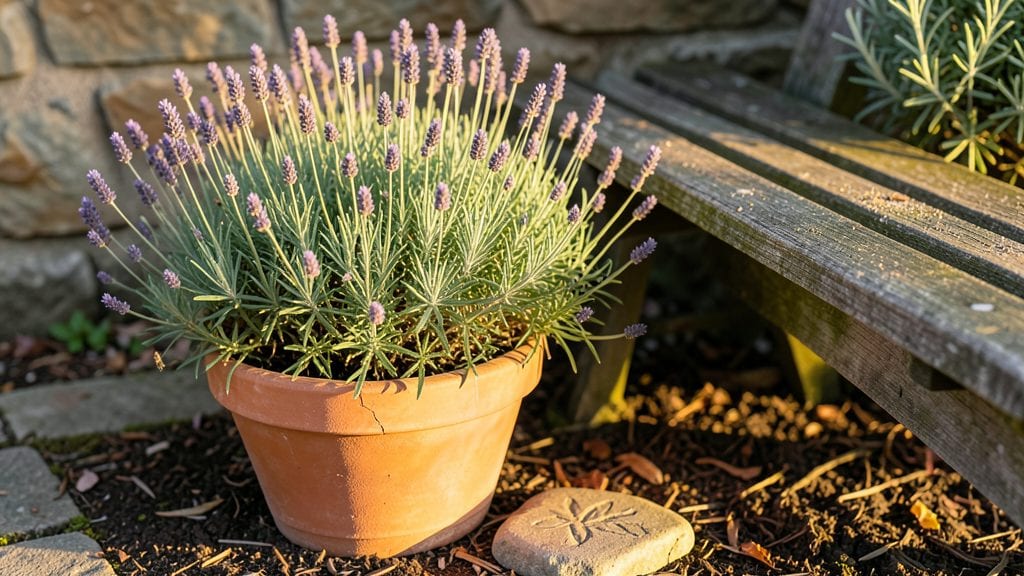
A memorial garden design becomes more than just a space—it becomes a living tribute where every plant and path tells their story. I designed mine after losing my grandfather, and the quiet moments there now feel like conversations with him.
The key is blending personal touches with elements that stand the test of time, like evergreens that whisper through the seasons or a smooth stone bench where memories rest.
Start with what matters most: a focal point, whether it's a plaque with their name, a favorite flower, or a small tree they loved. I chose a Japanese maple for its delicate leaves and the way it casts soft shadows.
Add durable materials like gravel paths (low-maintenance and timeless) and weathered wood for borders—things that won't fade with the years. The goal is a space that feels intentional, not just decorative.
By the end, you'll have a garden that grows with your grief and your joy—where the scent of lavender reminds you of summer visits, and the rustle of leaves in autumn feels like a familiar voice.
It won’t be perfect, but it will be theirs. Let’s make it meaningful, one thoughtful choice at a time.
This works for any climate or space, from a corner of your yard to a small urban plot. The principles stay the same: honor their life, not just their loss. Now, let’s get started on something that will last.
📚 In This Guide
- What you need
- Instructions
- Tips and common mistakes
- Wrapping up and next steps
What you need
- ● Soil & Mulch: Topsoil (1–2 cubic yards, depending on garden size)
- ● Organic mulch (cedar or pine, 2–4 bags)
- ● Plants & Flowers: Perennials (e.g., lavender, roses, or peonies—5–10 plants)
- ● Evergreens (e.g., boxwood or juniper—3–5 shrubs)
- ● Ornamental grasses (3–5 bundles)
- ● Memorial flowers (e.g., sunflowers or daisies—10–20 plants)
- ● Hardware & Structures: Garden stones or pavers (5–10 pieces, varying sizes)
- ● Bench or seating (1–2, weather-resistant)
- ○ Wind chimes or solar lights (optional but meaningful)
- ● Tools: Shovel & spade (1 each)
- ● Pruners (1 pair)
- ● Wheelbarrow (1)
- ● Level & measuring tape (1 each)
- ● Garden gloves (1–2 pairs)
- ● Personalized plaques or engraved stones
- ● Water feature (small fountain or birdbath)
- ● Customized garden art (e.g., hand-painted tiles)
- ● Scented plants (e.g., jasmine or gardenia for fragrance)
- ● Check local regulations for permits (if applicable)
- ○ Test soil pH (optional but helpful for plant health)
- ● Sketch a rough layout (even a simple doodle helps!)
Instructions for designing a memorial garden
Creating a peaceful space to remember loved ones starts with thoughtful planning and personal touches.
Choose a Quiet, Sunlit Location
Select a spot that feels natural for reflection—somewhere with gentle sunlight and a view of the home or yard. I always look for areas with existing trees or shrubs, as they provide instant shade and a sense of permanence. Avoid windy spots; you want a calm atmosphere where visitors can sit and remember without distraction.
Measure the space carefully. A 6-foot by 6-foot area works well for intimate seating, while larger gardens can accommodate benches or pathways. If your space is sloped, consider terracing to create distinct levels—this adds visual interest while making the garden more accessible. Sketch a rough outline to visualize how elements will fit together before breaking ground.
Select Personal and Natural Elements
Start with materials that hold meaning—perhaps a favorite stone, a piece of driftwood, or a small tree the loved one cherished. I like to include 3-5 key elements that tell a story: a bench where they enjoyed morning coffee, a birdbath they fed, or a flowering plant they loved. These items become the heart of the garden, anchoring the design.
For plants, choose varieties that thrive in your climate and symbolize the person’s spirit. Perennials like lavender or peonies return year after year, while annuals like sunflowers or marigolds add vibrant color. If the loved one had a favorite flower, plant it prominently—its annual bloom will keep their memory alive. Group plants in odd numbers (3, 5, or 7) for a balanced, natural look.
Add Seating and Pathways for Reflection
A simple wooden bench or stone seat invites visitors to sit and remember. I often place it near a focal point like a tree or sculpture, where someone can sit in quiet thought. If space allows, add a winding path made of stepping stones or gravel—it encourages slow, mindful movement through the garden. For smaller spaces, a single stone path leading to the seating area works beautifully.
Use materials that complement the surroundings. Natural stone or pavers blend seamlessly with the landscape, while metal or wood add a touch of elegance. If you’re unsure, start with a single path or bench and expand later as the garden grows. The goal is to create a space that feels inviting, not overwhelming.
Incorporate Lighting for Evening Visits
Soft lighting transforms a memorial garden into a serene evening retreat. Solar-powered path lights or small lanterns placed along walkways guide visitors safely and add warmth. I like to place 3-5 lights at intervals, focusing on key areas like the bench or focal points. Avoid harsh overhead lighting—it disrupts the peaceful mood.
For a more dramatic effect, consider uplighting a tree or large plant to highlight its silhouette at night. Battery-operated or low-voltage lights are easy to install and require minimal maintenance. Test the lighting during dusk to ensure it creates the mood you envision—dim, inviting, and respectful of the space’s purpose.
Add Final Touches with Signage and Care Instructions
A small plaque with the loved one’s name, dates, or a favorite quote adds a personal touch. I often choose a simple, elegant design that blends with the garden’s natural elements. Place it near the seating area where visitors can read it while reflecting. If the garden includes plants that require care, add a small sign with basic instructions—like "Water deeply once a week"—so future visitors can maintain the space.
Finally, consider adding a small notebook or guestbook where people can leave memories or messages. This turns the garden into an evolving tribute, where each visitor contributes to the story. Keep the area clean and well-tended; a garden that feels cared for honors the memory it celebrates.
Tips & tricks for perfect memorial garden design
A few thoughtful details can transform a simple garden into a deeply meaningful memorial space. Here’s how to ensure your design feels personal and enduring.
Location is Everything: In Step 1, when choosing your 6-foot by 6-foot area, prioritize spots with existing natural features like trees or shrubs—they provide instant structure and shade. I’ve found that areas with gentle slopes work beautifully for creating terraced levels, which add visual interest while making the space more accessible. If your yard is flat, consider adding a single raised bed or stone border to create a focal point.
Storytelling Through Elements: The 3-5 key elements in Step 2 should feel intentional. I like to think of each item as a chapter in the loved one’s story—a bench where they enjoyed morning coffee, a birdbath they fed daily, or a flowering plant they loved. These personal touches make the garden feel alive with memory. For extra impact, place these elements in a triangular formation; it creates natural balance and draws the eye.
Lighting for Evening Serenity: When adding the 3-5 lights in Step 4, focus on soft, warm illumination rather than bright spotlights. Solar-powered path lights along the edges of your pathways create a subtle glow, while uplighting a tree or shrub adds a magical touch. I always test the lighting at dusk—this helps you see how the space transforms when the sun sets, ensuring it feels peaceful rather than harsh.
Low-Maintenance Care: In Step 5, if you’re including plants that require care, keep it simple with drought-tolerant perennials like lavender or ornamental grasses. These thrive with minimal watering and still offer beauty. For annuals like sunflowers, plant them in clusters of 3 or 5 so they create a striking visual impact without overwhelming the space. A small sign with care instructions—like “Water deeply once a week”—ensures future visitors can maintain the garden easily.
Pro Tips for Memorial Garden Design
- A few thoughtful details can transform a simple garden into a deeply meaningful memorial space.
- Location is Everything: In Step 1, when choosing your 6-foot by 6-foot area, prioritize spots with existing natural features like trees or shrubs—they provide instant structure and shade.
- Storytelling Through Elements: The 3-5 key elements in Step 2 should feel intentional.
Frequently asked questions
Got questions about creating a memorial garden that feels meaningful and personal? Here are some of the most common concerns—and their answers—to help you get started on your tribute space.
What’s the best time of year to plant a memorial garden?
The ideal time depends on your climate! In most regions, spring or early fall is best—soil is workable, and plants have time to establish roots before extreme weather. If you’re planting perennials, follow local frost dates. For instant impact, consider container plants or pre-grown shrubs that can be installed year-round.
How do I choose plants that reflect my loved one’s personality?
Think symbolism and sentiment! Flowers like sunflowers (joy), lavender (calm), or roses (love) are classic choices. For a nature lover, native plants or wildflowers add a personal touch. Include their favorite colors or scents—like jasmine for memory or hydrangeas for gratitude—to make it uniquely theirs.
Can I create a memorial garden on a budget?
Start small with low-cost materials like recycled stones, wildflower seeds, or donated plants from local nurseries. Use mulch or gravel instead of expensive pavers, and DIY elements like hand-painted markers or upcycled decor. Even a single tree or bench can become a powerful focal point.
How do I maintain a memorial garden in all weather?
Regular care keeps your garden thriving. Water deeply but infrequently (1–2 times weekly), and use drought-tolerant plants if rainfall is unpredictable. In winter, add mulch to protect roots, and prune dead branches in early spring. Consider weather-resistant materials (like cedar or metal) for structures to avoid rot.
What if I don’t have green thumbs—can I still do this?
No gardening experience? No problem! Opt for low-maintenance plants like succulents, ornamental grasses, or ground covers. Use automatic irrigation or drip systems, and group plants with similar watering needs. Many memorial gardens thrive with minimal upkeep—focus on the emotional impact, not perfection!
Wrapping up and next steps
Creating a memorial garden design is a deeply personal way to honor your loved ones while transforming grief into something beautiful and lasting. Whether you choose serene pathways, symbolic plants, or a peaceful bench, every element tells a story of love and remembrance. 🌿
Now that you’re inspired, take the next step: sketch your vision, gather materials, and start planting—one meaningful touch at a time. Your garden will not only stand as a tribute but also as a place of healing and joy for years to come.