Diseases
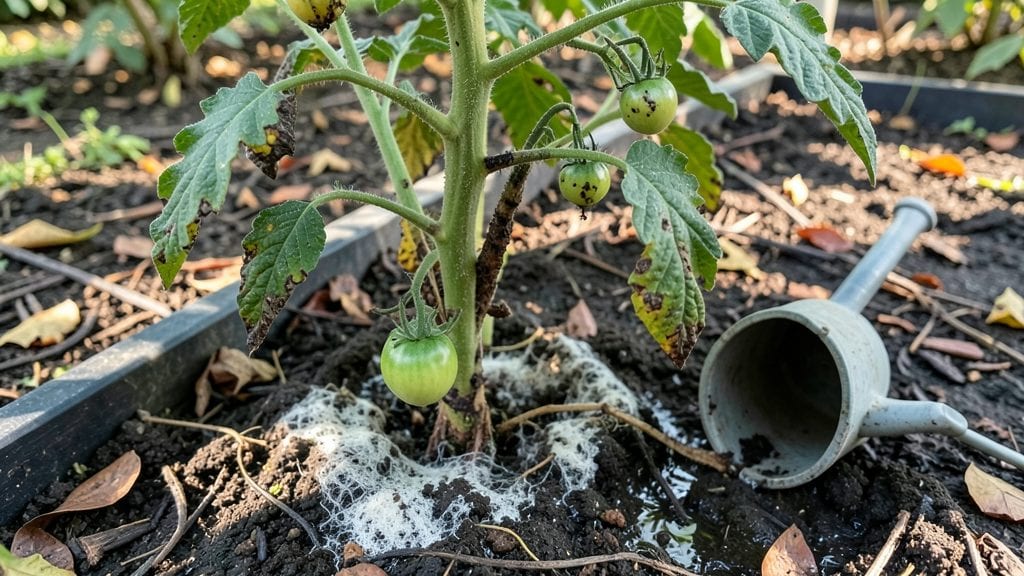
That black fuzzy film creeping across your garden beds isn’t just unsightly—it’s mold, and it’s silently stealing nutrients from your plants while creating a damp, disease-friendly zone. ✨ I’ve wrestled with this stubborn problem in my own raised beds, where moisture trapped by thick mulch turned my soil into a moldy mess overnight.
The good news? You can tackle it without resorting to harsh chemicals that’ll harm your plants or the soil’s delicate balance.
Most garden mold thrives because of three things: too much shade, poor drainage, and organic debris left to rot. I learned the hard way that simply scraping it off doesn’t fix the root cause—it just makes it worse by disturbing the soil.
The real solution starts with airflow: thin out dense mulch, prune overgrown plants, and water only at the base early in the morning so leaves dry quickly. For stubborn patches, a mix of neem oil and water (1 tablespoon per quart) kills mold spores without poisoning beneficial microbes.
Once you’ve cleared it out, the transformation is shocking. Within a week, your soil will start smelling fresh again, and new growth will push through with vibrant green leaves instead of the dull, stressed look mold leaves behind.
The key is prevention: mulch lightly, avoid overwatering, and pull weeds before they turn into mold food. My garden hasn’t had a serious outbreak since I switched to this method—though I still keep a spray bottle of diluted hydrogen peroxide (1 part to 4 parts water) handy for spot treatments.
Here’s the catch: if your mold is dark green or black with a slimy texture, it might be Stachybotrys—the toxic kind that requires gloves, a mask, and professional help.
Most garden mold? Not that serious, but don’t ignore it. The sooner you act, the sooner your plants—and your peace of mind—will bounce back. Let’s get that soil healthy again.
The Hidden Triggers Behind Fungal Growth
Mold in your garden isn’t just an eyesore—it’s a sign that your outdoor space is playing host to ideal conditions for fungal spores to thrive. Understanding why these microscopic invaders take over is the first step to stopping them for good.
Below, we break down the science behind the most common causes, so you can address the root of the problem (literally and figuratively).
Mold spores need water to germinate and spread, and gardens are often drowning in it—whether from rain, overwatering, or poor drainage. Here’s how moisture becomes a problem:
- Oversaturated soil: When soil stays wet for more than 24–48 hours, it creates the perfect anaerobic (low-oxygen) environment mold loves. Fusarium and Phytophthora fungi, for example, thrive in waterlogged conditions, rotting roots and stems.
- Poor drainage: Compacted or clay-heavy soil repels water, causing puddles and soggy patches. Even a slight slope can trap moisture in low-lying areas, turning them into mold hotspots.
- Frequent watering: Drip irrigation or overhead sprinklers that keep foliage damp (especially at night) encourage Botrytis cinerea (gray mold) and other pathogens. (We’ll cover fixes later!)
Actionable fix: Test your soil’s drainage by digging a 12-inch hole, filling it with water, and timing how long it takes to drain. If it’s slower than 6 hours, amend with compost or sand.
Leaves, dead plants, and mulch aren’t just garden clutter—they’re food and shelter for mold. When organic matter breaks down, it releases sugars and cellulose, which feed fungal colonies. Common culprits:
- Thick mulch layers: Mulch over 3 inches deep traps moisture and blocks airflow, creating a mold incubator. Rhizoctonia and Pythium often lurk here, attacking plant roots.
- Pile-up of plant waste: Compost heaps that aren’t turned or balanced with browns (like leaves) can become moldy. Aspergillus and Penicillium (yes, the antibiotic source!) may grow in these piles, releasing spores into the air.
- Decaying wood or bark:** Treated or untreated wood mulch can harbor Stachybotrys chartarum (black mold), especially if it’s old or water-damaged.
Actionable fix: Rake up fallen leaves and debris regularly, and limit mulch to 2–3 inches. If composting, turn piles weekly to aerate and balance moisture.
Mold isn’t picky about seasons, but it does prefer warmth and humidity. Most fungi grow best in temperatures between 60–85°F (15–30°C), with humidity above 60%. Here’s how your climate might be inviting it in:
| Season | Why Mold Thrives | Red Flags in Your Garden |
|---|---|---|
| Spring | Cool, damp mornings + frequent rains create ideal spore germination conditions. | Fuzzy gray/white patches on soil or plant surfaces after overnight dew. |
| Summer | High humidity (even without rain) and heat accelerate fungal growth. | Black or greenish mold on mulch, under pots, or in shaded areas. |
| Fall | Leaves block sunlight, trapping moisture while temps stay mild. | Moldy leaf litter or soil crusting in garden beds. |
| Winter | Snow melt or frozen soil can create waterlogged pockets when thawing. | White or pink mold on frozen plant debris or under snow. |
Actionable fix: Use a hygrometer to monitor humidity. Aim for <60% in garden areas, and improve airflow with trellises or raised beds.
Healthy plants repel mold, but stress—from nutrient deficiencies, pests, or physical damage—opens the door. Mold often targets plants that are already struggling:
- Nitrogen deficiency: Yellowing leaves (chlorosis) weaken a plant’s cell walls, making it easier for Alternaria or Septoria to invade.
- Pest damage: Chewed leaves or roots create entry points for mold spores. For example, aphid-infested roses often develop Botrytis infections.
- Transplant shock: Newly planted or recently pruned plants have exposed tissues, which mold can colonize within 24–48 hours if conditions are right.
Actionable fix: Boost plant resilience with balanced fertilizer (like 10-10-10) and proper pruning techniques to reduce stress. Remove damaged foliage immediately to limit mold spread.
Mold isn’t just about moisture—it’s also about chemistry. Some fungi prefer acidic soil (pH 5.0–6.5), while others thrive in alkaline conditions (pH 7.0+). Additionally, high salt levels (from fertilizers or hard water) can disrupt soil microbes, creating gaps mold fills:
- Acid-loving fungi: Erwinia (soft rot) and Armillaria (honey fungus) flourish in acidic soils (common in pine needle mulch or peat-heavy gardens).
- Alkaline triggers: Overuse of lime or wood ash can raise pH, encouraging Sclerotinia (white mold) in crops like lettuce or beans.
- Salt buildup: Coastal gardens or those irrigated with hard water may develop salt crust on soil, which blocks water absorption and promotes mold.
Actionable fix: Test your soil’s pH with a home kit. Amend with sulfur (to lower pH) or composted manure (to raise it gradually). Flush salty soil with rainwater or use a gypsum treatment.
Quick Fixes for Fungal Foes
Mold in your garden isn’t just an eyesore—it can weaken plants, spread rapidly, and even harm your soil’s health if left unchecked. The good news? You don’t need harsh chemicals to tackle it.
Below, we’ve mapped out practical, eco-friendly solutions tailored to the most common causes of mold in garden beds, containers, and mulch. Each fix includes prevention tips to keep your green space thriving long-term.
Fix: Improve airflow and drainage to starve mold of its favorite conditions—moisture and stagnation.
- 🔥 Loosen Compacted Soil Use a garden fork or tiller to aerate compacted areas, allowing water to drain faster. Focus on spots where mold appears fuzzy or slimy.
- 👨🍳 Adjust Watering Habits
- Water early in the morning (before 10 AM) to give foliage time to dry.
- Avoid overhead sprinkling; use a soaker hose or drip irrigation to deliver water at the roots.
- Pro Tip: 💡 Test your soil’s moisture by squeezing a handful—if water drips out, wait before watering again.
- 🥘 Add Organic Matter Mix in compost, coconut coir, or perlite to improve soil structure and absorb excess moisture. Aim for a 20% organic amendment ratio.
Prevention:
- Install French drains or raised beds in low-lying areas.
- Choose well-draining soil mixes (e.g., 60% topsoil, 30% compost, 10% sand).
Fix: Mold loves hiding in dense, damp organic layers. Thin it out and replace it with breathable alternatives.
- 🔪 Trim Back Mulch Remove the top 1–2 inches of mulch where mold is visible. Rake it into a wheelbarrow and compost it only if it’s not severely contaminated (see note below).
- 🌡️ Replace with Lightweight Mulch Swap heavy mulch (like wood chips) for:
- Straw or pine needles (allows airflow).
- Gravel or pebbles (for pathways or around plants that hate moisture).
- Hydro-mulch (a temporary, biodegradable option for quick fixes).
- ✨ Solarize Contaminated Mulch If mold is rampant, bag and solarize the mulch by leaving it in a black plastic bin under direct sunlight for 4–6 weeks. The heat will kill spores.
Prevention:
- Keep mulch 2–3 inches deep and 3–4 inches away from plant stems.
- Avoid piling leaves or grass clippings directly on soil—chop them first or use them as top-dressing for compost piles.
⚠️ Important Note: Never compost moldy plant debris if it shows signs of black mold (Stachybotrys) or toxic fungi—these can release spores. Dispose of it in sealed bags or burn it (if local laws allow).
Fix: Targeted treatments to protect plants while avoiding soil damage.
- 🍳 Baking Soda Spray (For Early Stages) Mix 1 tsp baking soda + 1 tbsp horticultural oil + 1 quart water in a spray bottle. Apply to affected leaves (not soil) every 7–10 days. Works best on powdery mildew and downy mildew.
- 🔥 Neem Oil or Copper Fungicide
- Neem oil (3 tbsp/gal water): Spray on leaves; repeat weekly until mold disappears.
- Copper fungicide: Use as a last resort for severe cases (follow label instructions carefully).
- 🌡️ Prune and Sterilize Tools
- Cut off moldy leaves or stems with clean, 70% isopropyl alcohol-rinsed pruners.
- Avoid composting diseased plant parts—bag and discard them.
Prevention:
- Space plants for better airflow (aim for 12–24 inches between leafy plants).
- Rotate crops annually to prevent fungal buildup in the soil.
- Plant resistant varieties (e.g., mildew-resistant tomatoes or squash).
Fix: Clean and seal non-plant surfaces to prevent spore growth.
- 🧽 Scrub with Vinegar or Hydrogen Peroxide
- Vinegar (undiluted): Spray on hard surfaces (decks, pots, tools), let sit 1 hour, then scrub with a stiff brush.
- Hydrogen peroxide (3%): Mix 1:1 with water for a safer option on porous materials like wood.
- 🔪 Replace Damaged Materials
- Wooden structures? Sand down moldy areas and apply outdoor-safe sealant (e.g., linseed oil or polyurethane).
- Plastic pots? Soak in a 1:10 bleach-water solution (rinse thoroughly afterward).
- ✨ UV Light or Sun Exposure Move potted plants or garden decor to direct sunlight for 2–3 hours daily to inhibit mold growth.
Prevention:
- Elevate structures (e.g., raised beds, trellises) to improve airflow underneath.
- Store tools and pots in a dry, ventilated shed or garage.
Fix: Strengthen your soil’s natural defenses with beneficial microbes and fungi.
- 💪 Add Mycorrhizal Fungi Mix mycorrhizal inoculant into soil to outcompete harmful mold. Best for perennial plants and trees.
- 🍄 Introduce Beneficial Bacteria
- Bacillus subtilis (e.g., Serenade ASO) or Trichoderma harzianum (e.g., Root Shield) can be applied as a soil drench.
- 🌱 Plant Mold-Resistant Ground Covers
- Clover, creeping thyme, or sedum outcompete mold while improving soil health.
Prevention:
- Test your soil’s pH (aim for 6.0–7.0 for most gardens).
- Avoid over-fertilizing with nitrogen—it encourages lush, mold-prone growth.
- 🔥 Catch it early: Mold spreads faster than you think—act at the first sign (fuzzy spots, discoloration).
- 🌡️ Monitor humidity: Keep it below 60% with a hygrometer or dehumidifier in greenhouses.
- 🌿 Companion planting: Pair susceptible plants with mold-repelling allies like garlic, marigolds, or basil.
- 🚫 Avoid plastic mulch: It traps moisture—opt for biodegradable or fabric mulches instead.
Frequently asked questions about garden mold
How do I tell if my garden mold is dangerous?
Most garden mold is harmless, but toxic Stachybotrys (black mold) requires caution. Look for dark green or black slimy patches with a musty odor—this is the dangerous type. If you see it, wear gloves/mask, remove it immediately, and dispose of it in sealed bags. Common garden mold (white, gray, or powdery) is usually safe to treat with natural remedies.
Can I still compost moldy garden debris?
Only if it’s non-toxic mold (like powdery mildew). Never compost debris with Stachybotrys or severely slimy black mold—these release harmful spores. For safe composting, chop moldy plant matter finely and mix it with dry browns (like leaves) to balance moisture. Turn the pile weekly to prevent regrowth.
What’s the fastest way to stop mold spreading?
Improve airflow immediately! Thin out thick mulch, prune overgrown plants, and water only at the base in the morning. For existing mold, spray affected areas with a 1:10 hydrogen peroxide-water mix (3% solution) or neem oil spray. Repeat every 3–5 days until it disappears. Prevent future outbreaks by spacing plants 12–24 inches apart.
Will vinegar kill garden mold?
Yes, but use it carefully! Undiluted white vinegar works on hard surfaces (decks, pots, tools) but can lower soil pH if overused. For soil/mulch, mix 1 part vinegar to 3 parts water and spray lightly. Avoid spraying directly on plants—it may burn foliage. Test a small area first, and reapply every 2–3 days until mold clears.
How can I prevent mold in my greenhouse?
Greenhouses trap humidity—keep levels below 60% with a dehumidifier or exhaust fans. Water plants early in the day, use drip irrigation, and avoid overhead sprinklers. Space plants widely for airflow, and add beneficial fungi like Trichoderma to outcompete mold spores. Open vents daily, even in cooler weather, to reduce condensation.