
Tools
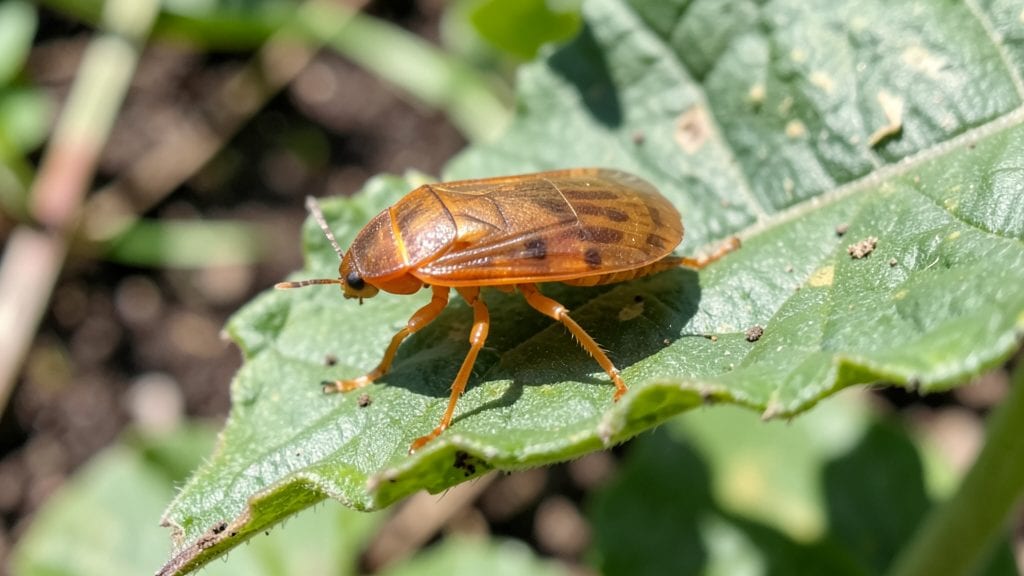
Those bright orange garden bugs might look alarming, but they’re often the garden’s unsung heroes—or just a sign your plants need a little citrusy help. 🌿 I’ve spent years tracking down what makes them appear and how to keep the balance right without harsh chemicals.
Some are friendly, like ladybugs, while others, like orange aphids, can turn your leaves into a sticky mess.
The key is knowing who’s who and what they’re after. Ladybugs? Invite them with dill or marigolds. Orange aphids? A blast of water or neem oil does the trick.
The secret weapon? Citrus peels scattered around your plants—bugs hate the smell, and it’s a humane way to keep them away without harming the good guys.
You’ll end up with a garden where beneficial bugs thrive, pests stay in check, and your plants grow stronger. No more guessing which orange invader is friend or foe—just clear, actionable steps to keep your garden healthy and vibrant. Let’s dive into the details!
Works for vegetable gardens, flower beds, and even houseplants. The methods here adapt to any space, so whether you’ve got a backyard oasis or a sunny windowsill, you’ll have the tools to keep those orange garden bugs in line.
Root Causes Of Bright Bugs
Those eye-catching orange garden bugs—often mistaken for harmless pests—are usually harmless citrus-scented beetles or aphid predators like the orange lady beetle or orange hoverfly larvae. While they’re not destructive, their sudden appearance can be confusing. Here’s why they show up in your garden, broken down by the real triggers:
Citrus-scented bugs are drawn to plants that emit volatile organic compounds (VOCs), particularly those rich in limonene or citral. These compounds are naturally produced by:
- Citrus trees (oranges, lemons, limes) – Their peels and foliage release strong citrus aromas that attract beneficial insects.
- Herbs like rosemary, thyme, and mint – Contain terpenes that mimic citrus scents, luring bugs in search of prey or nectar.
- Companion plants like dill, fennel, and cilantro – Their umbelliferous flowers produce similar chemical signals.
Why it matters: If your garden is a buffet of citrusy plants, these bugs will treat it like a 5-star hotel. Actionable fix: Space out high-scent plants or use citrus-scented traps to redirect them.
Many orange garden bugs are aphid predators, meaning they’re not just random visitors—they’re hunting. Their bright coloration is a signal: “I’m delicious, but I eat pests too!” Here’s how it plays out:
| Bug Type | What They’re After | Signs They’re Active |
|---|---|---|
| Orange Lady Beetles | Aphids, mites, and soft-bodied insects | Sticky residue on leaves (aphid honeydew) + tiny black specks (crushed aphids) |
| Hoverfly Larvae | Aphids, thrips, and whiteflies | Black, tar-like droppings on leaves (aphid waste) |
| Citrus-Scented Beetles | Nectar + occasional sap-sucking pests | Chewed leaf edges (light feeding) + bright orange adults near flowers |
Why it matters: Their presence is a good sign—your garden is likely hosting a pest population they’re controlling. Actionable fix: If you don’t see pests, they’re just enjoying the scent. If you do, boost their numbers with aphid-attracting plants like yarrow or alyssum.
Citrus-scented bugs are thermophilic—they thrive in warmth. Their bright orange color helps them absorb sunlight to regulate body temperature, a trait common in:
- Southern gardens – Bugs migrate north in summer when temps rise above 75°F (24°C).
- Sunny microclimates – Patios, rock gardens, or south-facing beds become hotspots.
- Greenhouse or conservatory gardens – Artificial heat accelerates their lifecycle.
Why it matters: They’re not “invading”—they’re seeking ideal conditions. Actionable fix: If they’re overwhelming, use shade cloth over citrus plants or introduce wind barriers to disrupt their flight paths.
Stressed plants emit more VOCs as a distress signal, including citrus-like compounds. When plants lack water, their leaves produce:
- Limonene (smells like citrus peels)
- Linalool (floral but bug-attracting)
Why it matters: Drought-stressed citrus or herbs become bug magnets. Actionable fix: Deep-water plants at the base (not leaves) to reduce scent signals. Mulch with cedar or pine straw—these retain moisture and suppress VOC emissions.
Citrus-scented bugs follow a predictable seasonal cycle, often tied to plant blooming times:
- Spring (March–May) – Adults emerge to feed on early blooms (e.g., citrus, herbs).
- Summer (June–August) – Larvae hatch and target aphid outbreaks.
- Fall (September–October) – Bugs cluster near ripe fruit or decaying leaves for overwintering.
Why it matters: Their appearance is natural, not a sign of infestation. Actionable fix: Plant late-blooming herbs (like winter savory) to extend their food source into fall, encouraging them to stay and hunt pests.
How to Fix Garden Pests Naturally
Dealing with orange-scented garden pests—whether they’re tiny invaders or larger critters—doesn’t always require harsh chemicals. With the right approach, you can banish them humanely while keeping your garden thriving.
Below are targeted solutions for common causes, from overripe citrus to unwanted visitors, along with prevention tips to keep your garden pest-free long-term.
If your citrus fruits are rotting or dropping, they become a buffet for pests like fruit flies, ants, and beetles. Here’s how to clean up and deter them:
🔥 Remove the Source Immediately
- Pick up fallen fruit daily (or at least every 2–3 days) to prevent breeding grounds.
- Compost or dispose of overripe citrus in sealed bins—not in open compost piles where pests can access it.
- Wash citrus trees with a soapy water spray (1 tbsp mild dish soap per gallon of water) to remove sticky residues that attract flies.
🍳 Use Natural Repellents
- Citrus peels + cloves: Dry orange peels in the sun, then stuff them with cloves and hang them in trees.
The scent confuses pests while keeping them away. - Neem oil spray: Mix 1 tsp neem oil + 1 tsp mild soap + 1 quart water, spray on leaves (test on a small area first).
Reapply every 5–7 days. - Diatomaceous earth (DE): Sprinkle food-grade DE around the base of trees. It’s non-toxic to plants but deadly to insects by dehydrating them.
👨🍳 Prevent Future Rot
- Harvest at peak ripeness—don’t let fruit linger too long on the tree.
- Prune for airflow: Thin out dense branches to reduce humidity and slow mold growth.
- Apply mulch properly: Use straw or wood chips (not fresh grass clippings) to keep soil dry and deter fungal pests.
If you’re seeing orange-scented pests like citrus ants or beetles, they’re likely drawn to sweet residues, moisture, or decay. Here’s how to stop them:
🔪 Disrupt Their Trails & Food Sources
- Vinegar barrier: Mix equal parts water and white vinegar, spray around tree bases and entry points.
The smell masks citrus scents ants follow. - Cinnamon deterrent: Sprinkle ground cinnamon around the tree trunk—ants hate the scent and won’t cross it. - Citrus-based trap: Fill a shallow dish with orange peels + water + a drop of dish soap.
Ants will drown trying to reach the scent.
🌡️ Reduce Moisture & Decay
- Fix irrigation issues: Overwatering creates soft fruit and mold, attracting beetles.
Water early in the day so leaves dry quickly. - Seal cracks in tree bark or nearby structures where pests hide. - Remove weed debris: Weeds like citrus rust mites and provide shelter for ants.
🎯 Long-Term Prevention
- Plant companion herbs: Basil, mint, or lavender near citrus trees—their strong scents repel pests naturally.
- Encourage beneficial insects: Ladybugs and lacewings eat aphids and beetles.
Attract them with dill, fennel, or marigolds. - Use reflective mulch: Silver or gold mulch confuses flying pests like whiteflies.
If larger animals are stealing your citrus, they’re likely drawn to easy snacks or nesting spots. Try these non-lethal solutions:
🥘 Block Access Points
- Netting: Cover trees with fine mesh netting (like bird netting) before fruit ripens.
Secure it tightly to prevent chewing. - Spiky collars: Wrap plastic tree guards around trunks to stop climbing animals. - Decoy predators: Place fake owls or snakes near the garden—move them weekly so wildlife doesn’t get wise.
💡 Confuse Their Senses
- Pepper spray mix: Spray hot pepper flakes + water around the base of trees.
The spicy scent deters most mammals. - Motion-activated sprinklers: Install solar-powered sprinklers—the sudden spray scares off intruders without harm. - Citrus + coffee grounds: Sprinkle used coffee grounds around trees—the bitter smell repels digging animals like raccoons.
🌱 Offer Alternatives
- Distraction planting: Grow grapes or berries in another part of the yard to lure pests away from your citrus.
- Feed stations: Set up a separate bird feeder far from citrus trees to reduce fruit theft.
- 💡 Rotate repellents: Pests adapt to scents—switch between neem, vinegar, and cinnamon every few weeks.
- 🌡️ Monitor regularly: Check trees weekly for early signs of pests (holes, wilting, or sticky residue).
- ✨ Keep it clean: A tidy garden (no fallen fruit, debris, or standing water) is the best pest deterrent.
- 🍊 Harvest strategically: Pick fruit before it’s fully ripe if pests are a recurring issue—it’s easier to protect green citrus than overripe bait.
By combining removal, repellents, and prevention, you can keep your garden pest-free without chemicals. Start with the source of the problem, then layer in natural deterrents for long-term success!
Frequently asked questions
Are orange garden bugs always harmful to plants?
Not at all! Many orange bugs are actually beneficial predators, like ladybugs or hoverfly larvae, that eat harmful pests such as aphids. The key is identifying them—if they’re small, round, and actively hunting pests, they’re likely helping your garden. Only remove them if they’re causing visible damage (like chewing leaves) or if they’re a known pest species like orange aphids.
How can I tell if orange bugs are beneficial or harmful?
Check their behavior and appearance: Beneficial bugs (like ladybugs) have spots, move quickly, and leave crushed pest remains. Harmful bugs (like orange aphids) cluster on new growth, leave sticky residue, or cause curling leaves. Use a magnifying glass to spot their mouthparts—predators have chewing parts, while pests have piercing-sucking styles.
What’s the easiest way to deter orange garden bugs naturally?
Try citrus peels and cloves—dry peels in the sun, stuff with cloves, and hang them near plants. The scent confuses pests while attracting beneficial insects. For stubborn bugs, mix 1 part vinegar to 1 part water in a spray bottle and apply around plant bases. This masks the citrus scents that lure them without harming your garden.
Can orange bugs overwinter in my garden?
Yes, many orange bugs—like ladybugs or citrus-scented beetles—seek shelter in leaf litter, mulch, or under bark during winter. To prevent them from returning in large numbers, clean up garden debris in late fall and use row covers if they’re becoming a nuisance. Most beneficial bugs will naturally die off or leave if their food sources (like aphids) disappear.
Are there any plants that repel orange garden bugs?
Plant marigolds, basil, or lavender near citrus trees—their strong scents naturally repel many orange pests. For aphids, try garlic or chives—their pungent aroma deters them. If bugs are already present, introduce aphid-attracting plants like yarrow or alyssum to lure them away from your main crops.