
Advice
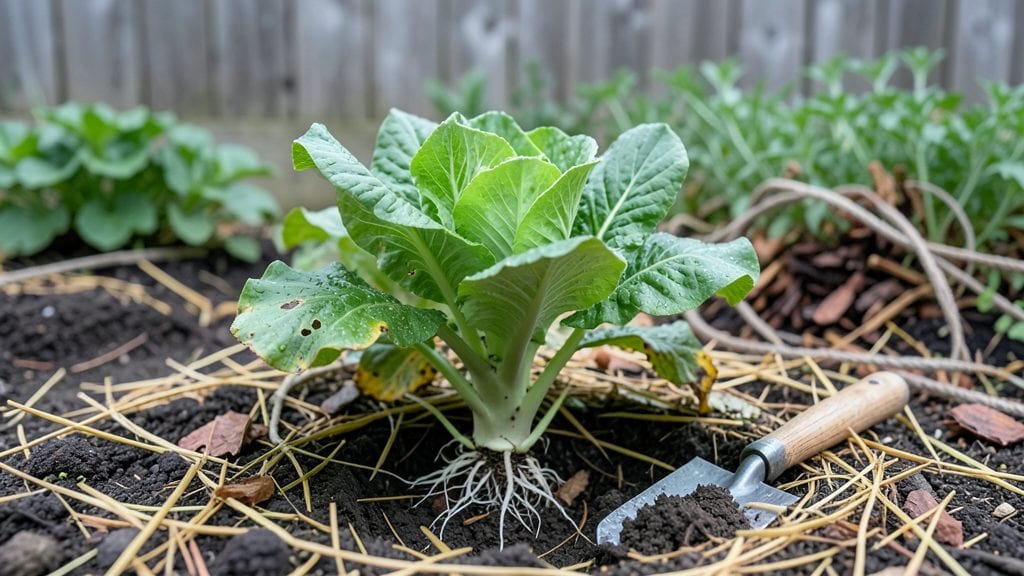
Organic gardening tips start with one simple truth: healthy soil grows healthy plants, and the best part is you don’t need a green thumb to make it happen. 🌱 I’ve spent years watching my garden thrive without synthetic fertilizers or pesticides, and the secret isn’t complicated—it’s about working with nature instead of fighting it.
The foundation is easy: feed the soil with compost, mulch to retain moisture, and rotate crops to keep nutrients balanced. You’ll see stronger plants that resist pests naturally, and the best part?
No more guessing which chemicals to mix or when to spray. This approach saves money, reduces waste, and gives you food you can feel good about eating.
By the end of your first season, you’ll notice deeper green leaves, bigger yields, and fewer garden problems. The soil itself becomes richer, almost like a living sponge that holds water and nutrients perfectly. It’s not about perfection—it’s about progress, and every small step makes a difference.
Whether you’re starting a new plot or reviving an old one, these methods adapt to any space or climate. The key is consistency: small actions over time build a garden that feeds you—and the earth—year after year.
📚 In This Guide
- What you need
- Instructions
- Tips and common mistakes
- Wrapping up and next steps
What you need
- ● Garden Soil: High-quality organic compost or potting mix (2-5 bags, depending on garden size). Look for labels like "organic," "peat-free," or "compost-based."
- ● Seeds or Seedlings: Choose organic, heirloom, or non-GMO varieties (quantities vary—start small with 10-20 plants for beginners).
- ● Watering Can or Hose: A 1-2 gallon can with a rose attachment (or a hose with adjustable nozzle).
- ● Hand Trowel: Stainless steel or ergonomic design (for planting and soil prep).
- ● Garden Gloves: Durable, breathable fabric (to protect your hands from thorns and dirt).
- ● Pruners: Bypass pruners (sharp and clean-cut) (for trimming plants and harvesting).
- ● Mulch: Straw, wood chips, or shredded leaves (1-2 bags, depending on garden size).
- ○ Compost Bin: Optional but helpful for recycling kitchen scraps (check local regulations for size/design).
- ● Organic Fertilizer: Fish emulsion, compost tea, or bone meal (for nutrient boosts).
- ● Raise Beds or Containers: Wooden crates, fabric grow bags, or ceramic pots (if space is limited).
- ● Row Cover or Shade Cloth: Lightweight fabric (to protect plants from pests or harsh sun).
- ○ Soil pH Test Kit: To check and adjust soil acidity (optional but useful for picky plants).
- ● Kneeling Pad: For comfort during long gardening sessions (bonus points for ergonomic design!).
Instructions: build a thriving organic garden system
Here's the straightforward approach I use to keep my garden productive year-round with minimal fuss.
🌱 Step 1: Prepare Your Soil Naturally
Start by testing your soil's pH and nutrient levels using a simple home kit. Most organic gardens thrive in slightly acidic to neutral soil (pH 6.0-7.0). If your soil is compacted, loosen it with a garden fork to a depth of 12 inches—this encourages deep root growth.
Spread 2-3 inches of compost evenly over the garden bed. Work it into the top 6 inches of soil using a broadfork or your hands. I like to add 1 inch of worm castings for extra microbial activity—this boosts plant immunity naturally. Water the amended soil until it's moist but not soggy to help the organic matter integrate.
☀️ Step 2: Choose the Right Plants for Each Season
For year-round production, rotate crops based on temperature preferences. In spring and fall, plant cool-season crops like lettuce, spinach, and broccoli. These thrive in 50-70°F temperatures and can handle light frosts. In summer, switch to heat-lovers like tomatoes, peppers, and basil that need 70-90°F and full sun.
I always include 3-4 nitrogen-fixing plants (like peas or beans) in my rotation. These naturally replenish soil fertility while providing harvests. Space plants according to their mature size—crowding invites pests and reduces airflow, which organic gardens need to stay healthy.
💧 Step 3: Water Deeply and Strategically
Water your organic garden early in the morning to reduce evaporation and fungal risks. Aim for 1-1.5 inches of water per week, delivered either through deep soakings 2-3 times weekly or a slow drip system. I use a rain gauge to track moisture—when it reads 1 inch, I know the soil is properly hydrated.
Mulch with 2-3 inches of straw or wood chips immediately after watering. This conserves moisture, suppresses weeds, and feeds the soil as it breaks down. Avoid synthetic mulches—they don't support the organic ecosystem you're building. Watch for dry soil 1 inch below the surface as your signal to water again.
✂️ Step 4: Maintain Without Chemicals
Hand-pull weeds when they're small—this prevents them from competing with your plants for nutrients. For tougher weeds, smother them with cardboard or thick layers of newspaper topped with mulch. I also rotate crops annually to prevent soil-borne diseases from building up.
Encourage beneficial insects by planting companion flowers like marigolds and nasturtiums. These attract pollinators and predatory insects that keep pests in check. If you spot aphids, blast them off with a strong stream of water—this physical removal works better than chemical sprays and doesn't harm your plants.
🌿 Step 5: Harvest and Extend the Season
Harvest vegetables when they're at peak ripeness—this encourages more production. For leafy greens, pick outer leaves first to keep the plant growing. In late summer, use row covers or cold frames to protect tender crops from early frosts. I often extend my growing season by 4-6 weeks this way.
After harvest, remove spent plants and add them to your compost pile. This returns nutrients to the soil and completes the organic cycle. For winter, plant garlic, onions, and cover crops like clover—they'll improve your soil while you enjoy fresh harvests year-round.
Tips & tricks for perfect organic gardening
These practical insights will help you create a thriving organic garden that produces year-round with minimal effort.
Soil Preparation Wisdom: When loosening compacted soil to a depth of 12 inches, work in sections to avoid overworking the earth. I find using a broadfork is gentler than a shovel—it aerates without destroying soil structure. For the 2-3 inches of compost, mix it thoroughly into the top 6 inches to ensure even distribution of nutrients throughout the root zone.
Temperature Matters: The 50-70°F range for cool-season crops might seem narrow, but it's crucial for optimal growth. If your spring nights dip below 50°F, consider using row covers to maintain warmth. For summer crops needing 70-90°F, place heat-lovers like tomatoes in the warmest part of your garden where they'll get consistent afternoon sun.
Watering Strategy: The 1-1.5 inches of water per week guideline assumes average rainfall. In hotter climates, you may need to supplement with irrigation. I've found that watering deeply 2-3 times weekly encourages roots to grow downward rather than staying shallow. Always water in the morning to prevent fungal growth from overnight moisture.
Season Extension Hacks: For those extra 4-6 weeks of growing season, cold frames are more versatile than row covers. They create a microclimate that can protect plants from light frosts while still allowing sunlight to penetrate. I place mine on south-facing slopes to maximize winter sun exposure for tender crops.
Pro Tips for Organic Gardening Tips
- These practical insights will help you create a thriving organic garden that produces year-round with minimal effort.
- Soil Preparation Wisdom: When loosening compacted soil to a depth of 12 inches, work in sections to avoid overworking the earth.
- Temperature Matters: The 50-70°F range for cool-season crops might seem narrow, but it's crucial for optimal growth.
Frequently asked questions
Got questions about organic gardening? You’re not alone—every green thumb starts somewhere! Here are answers to the most common queries to help you grow with confidence.
How do I start an organic garden on a budget?
Begin with what you have! Repurpose containers like yogurt cups for seedlings, use grass clippings as mulch, and swap seeds with neighbors. Focus on fast-growing, low-cost crops like beans, lettuce, or herbs. Pro tip: Compost kitchen scraps (fruit peels, coffee grounds) to enrich soil for free!
When is the best time to plant organic vegetables?
Timing depends on your climate and crop. Cool-season veggies (spinach, kale) thrive in early spring/fall, while warm-season picks (tomatoes, peppers) need soil temps above 60°F. Rule of thumb: Check your last frost date (local extension offices have this info) and plant 2–4 weeks after for warm crops.
How do I deal with pests organically without chemicals?
Prevention is key! Use row covers to block insects, introduce beneficial predators like ladybugs, or spray neem oil (a natural repellent). For slugs, set out beer traps or diatomaceous earth. Quick fix: Handpick pests early in the morning when they’re sluggish!
Can I use store-bought compost in my organic garden?
Yes, but read the label! Look for certified organic compost with no synthetic additives. For best results, mix it with homemade compost (1:1 ratio) to boost microbial activity. Watch out: Avoid compost with weeds or seeds—it can introduce unwanted plants!
What are the easiest organic vegetables for beginners?
Start with resilient, forgiving crops:
- Leafy greens (lettuce, spinach)—grow quickly in partial shade.
- Radishes—ready in 3–4 weeks and deter pests.
- Green beans—drought-tolerant and productive.
- Herbs (basil, parsley)—thrive in pots and repel insects.
Wrapping up and next steps
Embracing organic gardening isn’t just about growing plants—it’s about nurturing a healthier planet, one seed at a time! 🌱 From seasonal planning to natural pest control, these tips prove that year-round growth is achievable with patience and passion. Start small, experiment fearlessly, and watch your green thumb flourish!
Ready to take the next step? Pick one tip to try this week—whether it’s composting kitchen scraps or testing soil pH—and let your garden become a thriving, sustainable haven. Happy growing! 🌿