
Vegetables
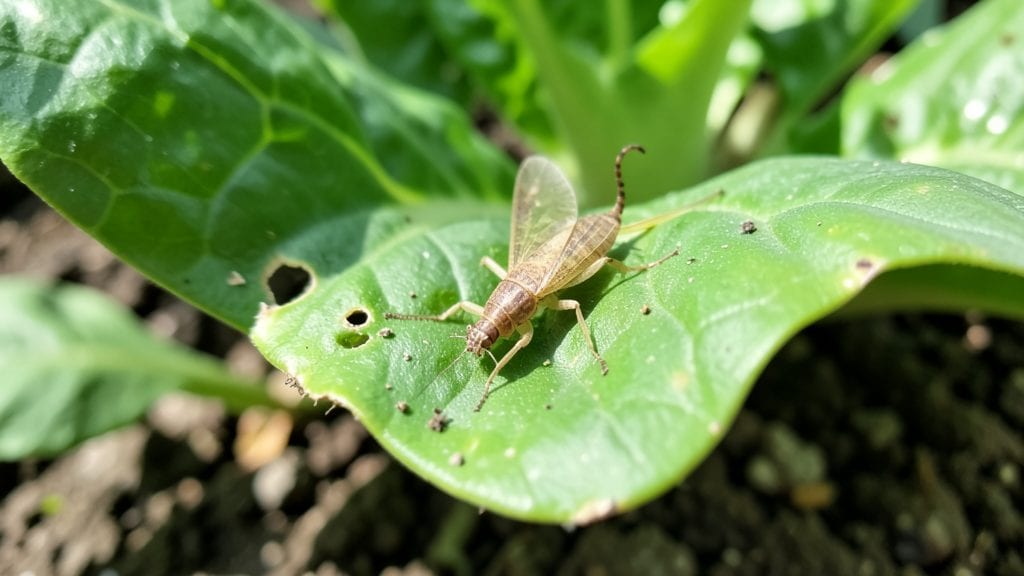
When organic insect control becomes your first line of defense, your vegetable garden transforms from a battleground into a thriving ecosystem. 🌱 I spent years losing entire rows of tomatoes and peppers to pests before discovering how to outsmart them without chemicals—now my plants grow stronger while keeping the food chain in balance.
The secret lies in three layers: planting allies that repel pests, inviting natural predators to patrol your garden, and using targeted sprays only when absolutely necessary. You’ll need a few key supplies—like neem oil, row covers, and companion plants—but the investment pays off in healthier soil and fewer lost harvests.
This method works especially well in home gardens where chemical residues aren’t an option.
By the end of summer, you’ll notice fewer chewed leaves, more pollinators buzzing around, and plants that bounce back faster from minor damage. The best part? Your vegetables stay safe to eat straight from the vine, and you avoid the cycle of resistance that comes with synthetic pesticides.
Let’s build a garden that pests actually avoid.
Whether you’re dealing with aphids, beetles, or caterpillars, these techniques adapt to your specific challenges. The key is consistency—once you establish the right balance, your garden will become a self-sustaining fortress against pests. Ready to protect your crops the natural way?
📚 In This Guide
- What you need
- Instructions
- Tips and common mistakes
- Wrapping up and next steps
What you need
- ● Beneficial insect habitat: 1–2 Olla pots (unfired clay pots, 1–2 gallons) or small terracotta pots with drainage holes
- ● Coconut coir or organic potting soil (1–2 bags, 2–3 cubic feet each)
- ● Small pebbles or sand (1 small bag, for drainage)
- ● Barrier supplies: Floating row covers (lightweight, breathable fabric, 3–6 ft wide, length to match garden beds)
- ● Sturdy garden twine or clips (for securing covers)
- ● Fine mesh netting (for smaller plants or seedling protection, 1/4"–1/2" mesh)
- ● Natural repellents: Crushed garlic, chili peppers, or citrus peels (1–2 cups, fresh or dried)
- ● Neem oil (16 oz bottle, 100% cold-pressed)
- ● Diatomaceous earth (food-grade, 1–2 lbs)
- ● Ladybugs, lacewings, or parasitic wasps (purchased online or from garden centers, 500–1,000 per release)
- ● Compost tea (1 gallon, for soil enrichment and pest deterrence)
- ● Bee baths (small dishes with water and pebbles, to attract pollinators)
- ● Plant companions: Marigolds, basil, or nasturtiums (to repel pests naturally)
Step-by-Step instructions for creating organic insect barriers in vegetable gardens
Here’s how to build a predator-friendly defense system that keeps pests away naturally.
🪴 Step 1: Set Up Companion Planting Zones
Start by arranging your vegetable garden with predator-friendly plants around the edges. Marigolds, basil, and nasturtiums are my go-tos—their strong scents repel aphids, squash bugs, and even rabbits. Plant them in a 12-inch border around your vegetables, ensuring they get full sun and moderate watering (about 1 inch per week).
This isn’t just decoration—it’s a living shield. The scent of these plants confuses pests and attracts beneficial insects like ladybugs and lacewings, which hunt garden pests naturally. If you’re short on space, interplant them between rows instead.
🌱 Step 2: Install Physical Barriers for Crawling Pests
For slugs, cutworms, and other ground-dwelling pests, create a 2-inch deep trench around your plants using the diatomaceous earth (food-grade only). Sprinkle it lightly in a 1-inch band around the base of each plant, avoiding direct contact with leaves. This microscopic powder dehydrates soft-bodied pests without harming your vegetables.
For larger pests like rabbits or deer, use chicken wire or hardware cloth buried 6 inches deep around the garden perimeter. Bend the top outward at a 45-degree angle to deter climbing. If you’re dealing with tomato hornworms, wrap the lower stems of tomato plants in fine mesh netting—it’s a quick fix that doesn’t disrupt airflow.
💧 Step 3: Apply Homemade Sprays for Flying Insects
Mix 1 tablespoon of dish soap (the kind without added chemicals) with 1 quart of water in a spray bottle. Add 2 tablespoons of neem oil and shake well. Spray this mixture directly on pests like aphids, whiteflies, and spider mites in the early morning or evening to avoid harming bees. Reapply every 3-5 days or after rain.
For a stronger deterrent, blend 1 cup of garlic with 1 quart of water, strain, and spray on leaves. The sulfur compounds repel pests while being safe for your plants. Always test sprays on a small leaf first—some plants, like peppers, are sensitive to strong solutions.
⏰ Step 4: Maintain a Healthy Ecosystem
Encourage beneficial insects by planting dill, fennel, or cilantro—these attract parasitic wasps that lay eggs inside caterpillars, killing them from within. Avoid using any chemical sprays, even "organic" ones, as they can harm these helpers. Instead, water deeply in the morning to keep plants thriving and less appealing to pests.
Regularly inspect your garden for early signs of trouble—yellowing leaves, chewed edges, or sticky residue (aphid honeydew). Catching problems early means less damage and fewer harsh interventions. A weekly 10-minute walkthrough keeps your garden in check without overcomplicating things.
☀️ Step 5: Rotate and Refresh Barriers Seasonally
Every 4-6 weeks, reapply diatomaceous earth (it loses effectiveness when wet) and refresh your companion plants if they’ve been damaged. Move physical barriers like netting or trenches to new areas of the garden to prevent pests from adapting. If you notice a specific pest becoming a problem, adjust your strategy—sometimes a row cover over young plants is the simplest solution.
This system works best when you think like a predator. Pests are looking for easy meals, so make your garden a challenge. With these layers of defense, you’ll see fewer pests and more healthy, thriving vegetables—without a single chemical in sight.
Tips & tricks for building effective organic insect barriers in vegetable gardens
Real talk: the secret to a thriving garden isn't just planting vegetables—it's creating an environment pests can't stand. Here's how to maximize these organic defenses without the guesswork.
Companion Planting Strategy: In Step 1, don't just plant marigolds, basil, and nasturtiums randomly—their placement matters. Create a 12-inch border around your vegetables, but also interplant them between rows if space is tight. The key is maximizing surface area for scent dispersion. I've found that alternating rows of companion plants with vegetables creates a more effective scent barrier than just perimeter planting.
Diatomaceous Earth Application: When applying the 1-inch band of diatomaceous earth in Step 2, focus on areas where pests enter—near plant bases and along garden edges. Reapply after rain since it loses effectiveness when wet. Pro tip: Use a small hand duster or sieve to apply it evenly without creating clouds that could harm beneficial insects.
Homemade Spray Safety: In Step 3, when making your garlic spray, always strain it through a fine mesh to remove pulp that could clog spray bottles. For the soap spray, use unscented dish soap—fragrances can harm plants. Test sprays on a small leaf first, especially on sensitive plants like peppers. I learned this the hard way after ruining a pepper plant with a strong garlic solution!
Seasonal Maintenance: The 4-6 week refresh cycle in Step 5 is crucial but often overlooked. Mark your calendar when you first apply barriers so you don't forget. I keep a small notebook in my gardening shed with dates and notes about which pests I've seen—this helps me adjust strategies before problems escalate. Rotating barriers prevents pests from becoming accustomed to your defenses.
Pro Tips for Organic Insect Control For Vegetable Gardens
- Real talk: the secret to a thriving garden isn't just planting vegetables—it's creating an environment pests can't stand.
- Companion Planting Strategy: In Step 1, don't just plant marigolds, basil, and nasturtiums randomly—their placement matters.
- Diatomaceous Earth Application: When applying the 1-inch band of diatomaceous earth in Step 2, focus on areas where pests enter—near plant bases and along garden edges.
Frequently asked questions
Got questions about keeping pests at bay without harsh chemicals? You’re not alone! Here are some of the most common concerns—and straightforward answers—to help you grow a thriving, bug-free vegetable garden the natural way.
What’s the best time of day to release beneficial insects like ladybugs or lacewings?
Release predator insects early in the morning or late in the afternoon when temperatures are cooler (ideally between 50°F and 75°F). Avoid midday heat or cold nights, as extreme conditions can stress or kill them. Shade them for the first few hours to help them acclimate!
How do I know if my garden has an infestation vs. just a few pests?
Watch for visible damage like chewed leaves, holes in fruit, or wilting plants—signs of an active infestation. A few pests? No problem! Use barriers or handpick them. But if you see massive destruction (e.g., entire rows of cabbage eaten overnight), act fast with organic sprays like neem oil or introduce more predators.
Are organic barriers (like row covers) effective against all pests?
Row covers and physical barriers work wonders against flying insects (aphids, whiteflies) and crawling pests like cabbage worms. However, they won’t stop underground threats (e.g., grubs) or determined chewers (like squash bugs). Pair barriers with companion planting (e.g., marigolds) for full protection!
Can I use organic insect control methods in a drought-prone garden?
Focus on water-saving tactics: Use mulch to retain moisture, apply neem oil sprays in the evening to prevent evaporation, and opt for predator-friendly plants (like dill or fennel) that attract beneficial insects without extra water. Avoid overwatering—pests thrive in soggy soil!
What should I do if my organic methods aren’t working after a few weeks?
First, reassess the problem: Are pests still present? Try rotating methods—swap a barrier for a homemade garlic spray or introduce a new predator (e.g., nematodes for grubs). Check for hidden issues like overcrowded plants (which attract pests) or poor soil health. If needed, consult a local organic gardening group for region-specific solutions!
Wrapping up and next steps
Protecting your vegetable garden from pests doesn’t require harsh chemicals—just a little creativity and the right organic strategies! 🌱 By embracing predator-friendly barriers and natural solutions like companion planting, neem oil, and DIY traps, you’re not only safeguarding your crops but also fostering a thriving, eco-balanced ecosystem.
The best part? These methods are effective, budget-friendly, and safe for your family.
Ready to take the next step? Start small—try one or two techniques this season and observe what works best for your garden. Over time, you’ll build a customized, chemical-free defense system that keeps pests at bay while nurturing your veggies to perfection. Happy gardening! 🌿