
Tools
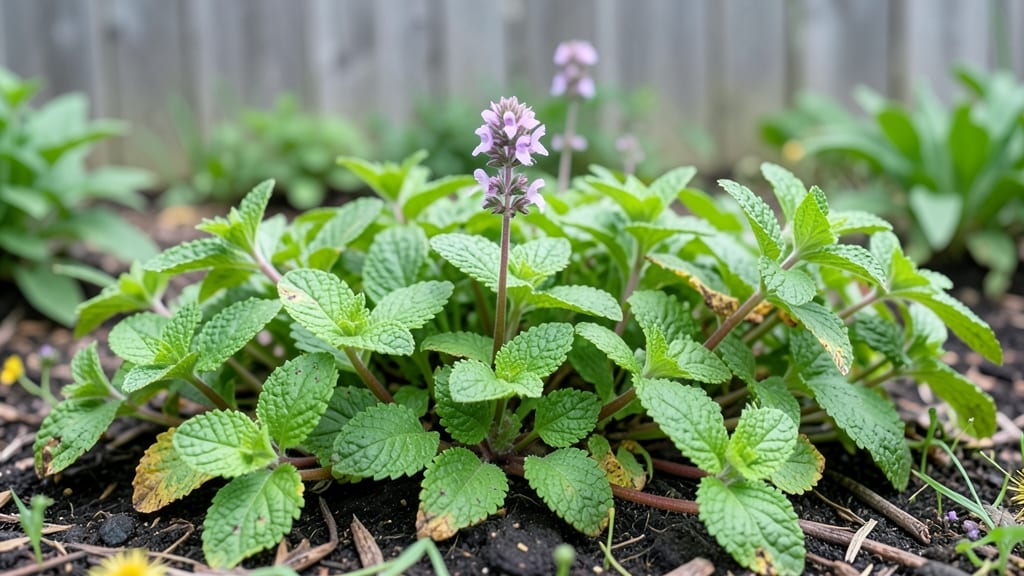
An overgrown mint garden isn’t just a nuisance—it’s a stealthy takeover that swallows neighboring plants whole. 🌱 I’ve watched it happen three times, each time thinking, This time I’ll control it—until I didn’t. The good news?
You can tame it without sacrificing your stash or turning your yard into a mint-free zone.
The problem isn’t just the spread—it’s the aggressive roots that sneak under fences and into flower beds. But here’s the secret: containment works, and it doesn’t require backbreaking labor.
I’ll show you how to prune strategically, use barriers that actually hold, and even redirect that energy into harvestable growth—no more wrestling with a mint monster.
By the end, you’ll have a manageable patch that still produces enough for cocktails, teas, and pest-repelling pots. The key? Timing, tools, and a little patience—no herbicides, no regrets. Let’s get that mint under control without losing the flavor.
Works for containers, in-ground beds, or even balcony pots—no matter how much it’s already taken over. The methods here are foolproof for beginners and game-changers for veterans who’ve tried everything else.
Natural Growth Traps Of Mint
Mint isn’t just a fast-growing plant—it’s a runaway train 🚂💨 if left unchecked. Its aggressive spread isn’t accidental; it’s biology in overdrive. Understanding why mint takes over helps you harness its power (or at least control it). Here’s the science behind the chaos:
Mint’s roots are its secret weapon. Unlike most plants, mint spreads via rhizomes—horizontal underground stems that send out new shoots. These rhizomes can grow up to 2 feet per year and produce roots at every node, creating a dense, interconnected network.
Even a small patch can quickly become a 20-foot-wide colony if unchecked.
🔬 Why it happens:
- Hormonal signals: Mint releases auxins and cytokinins, hormones that stimulate both root and shoot growth, creating a feedback loop of expansion.
- Water efficiency: Rhizomes store moisture, allowing mint to thrive in damp soil—even in partial shade—where other plants struggle.
- No natural dormancy: Unlike biennials or perennials with seasonal slowdowns, mint grows year-round in mild climates, doubling down on its spread.
💡 Actionable fix: Plant mint in containers with deep sides (12+ inches) or bury pots below soil level to contain rhizomes. For ground planting, use root barriers (plastic or metal) sunk 2 feet deep to block horizontal growth.
Most mint varieties (like Mentha spicata or Mentha piperita) reproduce asexually, meaning they don’t rely on seeds. Instead, they clone themselves via rhizomes or stem cuttings. This makes them nearly impossible to eradicate by seed removal alone.
🔬 Why it happens:
- Genetic uniformity: Asexual reproduction means every new plant is an identical copy, ensuring 100% survival rate of the parent’s aggressive traits.
- Fragmentation: Even a tiny broken rhizome piece can regrow into a full plant—think of it as mint’s version of Jurassic Park.
- No seed competition: Without seeds, mint avoids the "gamble" of germination; it guarantees spread through roots.
💡 Actionable fix:
- When pruning, sterilize tools between cuts (70% isopropyl alcohol) to avoid spreading fragments.
- For ground mint, dig up and remove entire root balls—even small pieces left behind will regrow.
Mint thrives in conditions most gardeners wish their other plants would tolerate. It’s the ultimate low-maintenance survivor—but that’s also why it becomes a problem.
🔬 Why it happens:
| Factor | Mint’s Advantage | Human Mistake |
|---|---|---|
| Water | Tolerates wet soil (even soggy) and recovers from drought. | Overwatering other plants creates a mint-friendly zone. |
| Sunlight | Grows in partial shade to full sun; shade reduces competition. | Planting near trees or fences (where mint gets shade) gives it an edge. |
| Soil Type | Adapts to clay, sand, or loam; thrives in poor soil. | Amending garden beds (e.g., adding compost) can unintentionally feed mint. |
| Temperature | Survives USDA zones 3–11; cold-hardy and heat-tolerant. | Assuming it’ll die in winter—it often doesn’t. |
💡 Actionable fix:
- Give mint dedicated, well-draining soil in containers to starve ground spread.
- Mulch competitive plants (like lavender or thyme) around mint to limit its expansion.
- Avoid planting near water sources (sprinklers, drainage areas) where it’ll dominate.
Mint’s lack of dedicated pests or diseases in most gardens is a double-edged sword. While it means fewer losses for you, it also means no checks on its growth.
🔬 Why it happens:
- Chemical defenses: Mint contains menthol and menthone, which repel many insects and herbivores. Few creatures will eat it.
- Toxic to some plants: Allelopathic compounds in mint can inhibit neighboring plants, reducing competition.
- Human protection: Gardeners often prune other weeds but ignore mint, giving it free rein.
💡 Actionable fix:
- Introduce companion plants mint doesn’t like, like tomatoes or cabbage, to create a buffer zone.
- Use vinegar spray (20% acetic acid) to spot-treat mint without harming edible plants.
- Encourage beneficial insects (like ladybugs) in other areas to indirectly limit mint’s dominance.
Tame Your Mint Jungle Naturally
Now that you understand why your mint garden has spiraled out of control, let’s roll up our sleeves and reclaim your space—without sacrificing the plant’s health or your sanity. Mint is resilient, but even it needs boundaries!
Below are practical, step-by-step solutions tailored to the most common causes of overgrowth, plus prevention tips to keep your garden lush but contained.
Mint’s aggressive roots and runners are its superpower—but also its curse. If left unchecked, it can take over flower beds, lawns, or even your neighbor’s yard (oops).
🔥 Fix It: Contain the Chaos 1. 👨🍳 Dig Up and Relocate
- Step 1: Water the area thoroughly 1–2 days before digging to loosen the soil.
- Step 2: Use a sharp spade or garden fork to carefully lift the mint clump, shaking off excess soil.
Aim for a 12–18 inch diameter section to preserve roots. - Step 3: Divide the clump into smaller sections (3–4 inches apart) and replant in containers or a dedicated garden bed lined with hardware cloth (bury edges 6+ inches deep to block runners). - Pro Tip: 💡 If relocating isn’t an option, prune aggressively (see next step) to weaken the plant’s spread.
- 🔪 Prune Like a Pro - Cut back 1/3 of the plant at a time, focusing on the longest stems and outer growth.
Use clean, sharp shears to avoid tearing. - When to prune: - Spring (early): Encourages bushier growth. - Fall (late): Reduces winter spread. - Avoid: Cutting into woody stems—this stresses the plant.
- 🏺 Container Revolution
- If your mint keeps escaping, switch to containers! Use:
- 5-gallon buckets (drill drainage holes).
- Fabric grow bags (breathable, prevents root circling).
- Bonus: Elevate containers on cinder blocks or hanging pots to deter ground spread.
- If your mint keeps escaping, switch to containers! Use:
🌡️ Prevention: Stop the Spread Before It Starts
- 🎯 Root Barriers: Install plastic or metal edging (like corrugated metal) around garden beds to block runners.
- 🌿 Regular Harvesting: Trim mint weekly during peak growth (spring/summer) to redirect energy into flavorful leaves, not roots.
- ✨ Soil Competition: Plant mint in shady spots surrounded by strong competitors like hostas, ferns, or comfrey—they’ll outcompete mint for space.
If mint has infiltrated your lawn, it’s not just unsightly—it’s choking out grass and making mowing a nightmare.
🔥 Fix It: Lawn Mint Rescue Mission
- 🌿 Manual Removal (Best for Small Patches)
- Step 1: Water the area to soften the soil.
- Step 2: Use a hand trowel to dig out mint roots and all (even tiny fragments regrow!).
- Step 3: Fill holes with topsoil and reseeds with grass.
- 🔪 Smothering Technique (For Large Areas)
- Step 1: Lay down cardboard or thick newspaper over the mint patch.
- Step 2: Cover with 4–6 inches of mulch (straw or wood chips).
- Step 3: Wait 4–6 weeks for mint to decompose, then reseed with grass.
- 💦 Vinegar Treatment (Chemical-Free Kill)
- Mix 1 gallon white vinegar + 1 oz dish soap in a spray bottle.
- Apply on a sunny day (vinegar burns leaves in sunlight).
- Reapply every 3–4 days until mint dies (may take 2–3 weeks).
- ⚠️ Warning: This kills everything it touches—use a shield (like cardboard) to protect grass edges.
🌡️ Prevention: Keep Mint Out of the Lawn
- 🎯 Plant Alternatives: Replace lawn areas with clover or creeping thyme—they’re mint-resistant and drought-tolerant!
- 🏺 Containerize Mint: Never plant mint directly in lawns or garden beds—containers are non-negotiable.
- 🌿 Mow High: Keep grass 3–4 inches tall to shade out mint seedlings.
Mint doesn’t just spread—it bulldozes other plants for sunlight and nutrients.
🔥 Fix It: Reclaim Your Garden Beds
- 🔪 Strategic Pruning
- Step 1: Identify the most aggressive mint stems and cut them at the base.
- Step 2: Weave pruned stems into compost (mint is great for compost!).
- Step 3: Mulch heavily around other plants (2–3 inches of straw) to suppress regrowth.
- 🌱 Companion Planting Reset
- Step 1: Dig out all visible mint roots (even small pieces regrow).
- Step 2: Amend soil with compost to restore nutrients.
- Step 3: Plant mint-loving companions like:
- Lavender (repels pests, deters mint).
- Rosemary (thrives in mint’s preferred conditions).
- Marigolds (natural pest control).
🌡️ Prevention: Mint-Proof Your Garden
- 🎯 Designate a Mint Zone: Keep mint in one dedicated container or bed with buried barriers.
- 🌿 Rotate Crops: If mint was in a bed last year, plant heavy feeders (like tomatoes) this year—they’ll outcompete mint seedlings.
- ✨ Solarization (For Stubborn Patches)
- Cover mint with clear plastic for 4–6 weeks in summer—sun + heat will kill roots.
Containers can’t stop mint, but poor maintenance turns them into unruly monsters.
🔥 Fix It: Container Control
- 🔪 Trim and Repot
- Step 1: Remove mint from the pot and rinse roots to check for root-bound growth.
- Step 2: Divide into smaller pots (mint grows best in smaller containers—it stays compact!).
- Step 3: Use well-draining soil (mix potting soil + perlite) to prevent soggy roots.
- 🌿 Prune for Shape
- Step 1: Cut back 1/2 the plant to encourage bushier growth.
- Step 2: Pinch back tips regularly to prevent legginess.
🌡️ Prevention: Happy Mint in Pots
- 🎯 Right-Sized Containers: Use 5–7 gallon pots max—mint in larger pots = jungle.
- 💦 Water Wisely: Let soil dry slightly between waterings (mint hates soggy roots).
- ✨ Harvest Often: The more you trim for cooking, the less it spreads!
Instead of fighting overgrowth, harvest aggressively! Mint grows faster when pruned—so:
- Pinch off tops when stems reach 6–8 inches.
- Use in cooking (mojitos, teas, pestos) to reduce waste.
- Share with friends—free mint = fewer plants for you to manage!
Remember: Mint’s spread is manageable, not inevitable. With containers, barriers, and regular pruning, you can enjoy fresh mint without the chaos. Now grab those shears—your garden (and your sanity) will thank you! 🌿✂️
Frequently asked questions
Why does mint spread so aggressively in my garden?
Mint spreads through rhizomes—underground stems that grow horizontally and produce new roots at every node. These can extend 2 feet per year and even tiny fragments can regrow into full plants. Its asexual reproduction means no seeds are needed for spread, making it nearly impossible to control without barriers or containers.
Can I grow mint in containers to stop it from spreading?
Yes! Use 5-gallon pots or fabric grow bags with drainage holes. Bury the container 2 inches deep in the ground to block underground runners. Elevate pots on cinder blocks or hang them to prevent soil contact. Smaller containers actually encourage bushier, more flavorful growth while containing the roots.
How often should I prune mint to control its growth?
Prune mint every 2-4 weeks during growing season (spring-fall). Cut back 1/3 of the plant at a time, focusing on the longest stems. Early spring pruning encourages bushier growth, while late fall cuts reduce winter spread. Always use clean, sharp shears to prevent disease spread between cuts.
What's the best way to remove mint from my lawn?
For small patches, dig out all roots with a hand trowel. For larger areas, smother with cardboard + 4-6 inches of mulch for 4-6 weeks. A chemical-free vinegar spray (1 gallon vinegar + 1 oz dish soap) works but kills everything it touches—use carefully. Always reseed with grass after removal to prevent regrowth.
Will mint grow back if I don't remove all the roots?
Even tiny root fragments can regrow into full plants. When removing mint, dig at least 6 inches deep and check for remaining rhizomes. For stubborn patches, try solarization (covering with clear plastic for 4-6 weeks in summer) to kill roots through heat. Prevention is key—always contain mint in dedicated spaces.