Tools
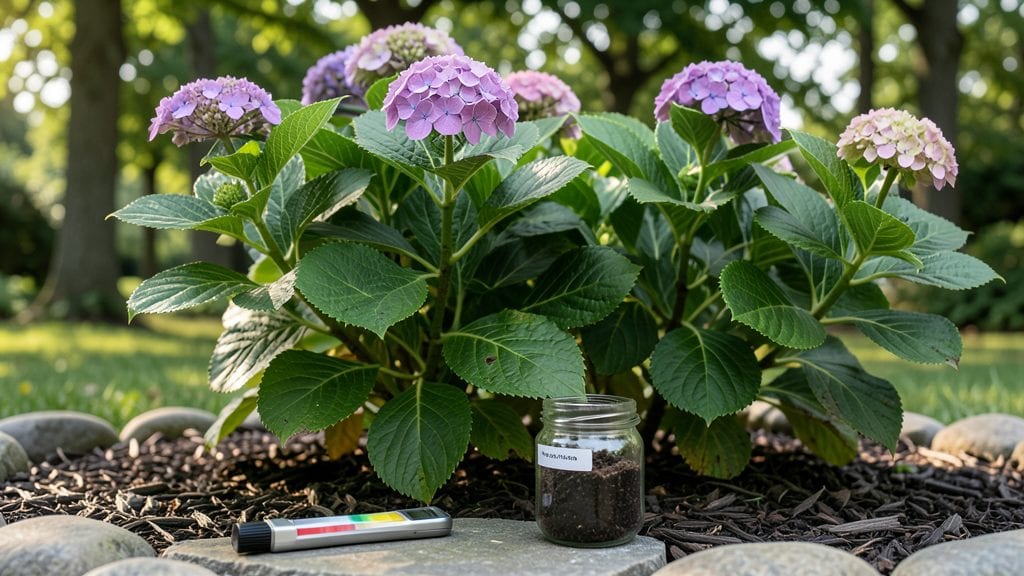
Soil pH in gardening determines nutrient availability, directly impacting plant health and growth—most vegetables thrive in slightly acidic to neutral ranges (6.0–7.0), while blueberries and azaleas require highly acidic soil (4.5–5.5). Testing and adjusting pH with lime or sulfur ensures optimal conditions.
Understanding soil pH is like tuning your garden's chemistry—it controls which nutrients plants can access, from nitrogen and phosphorus to trace minerals like iron. 🌱 For example, tomatoes need a slightly acidic environment to absorb calcium, while lawn grasses prefer near-neutral soil to prevent nutrient lockout.
Even a 1.0 pH shift can make key minerals toxic or unavailable, leading to yellowing leaves or stunted growth. That's why testing before planting saves time and frustration.
Most gardeners start with a simple DIY pH test kit (about $10) to check their soil's current levels. If your results show a pH of 6.5 but you're growing hydrangeas (which love 5.0–6.0), you'll need to amend the soil with elemental sulfur to lower the pH gradually.
Conversely, adding pelletized lime raises pH for acid-sensitive plants like broccoli. The key is patience—amendments take 2–3 months to fully integrate into the soil.
💡 In This Article
- How Soil pH Affects Nutrient Uptake in Plants
- Quick Fixes for Adjusting Garden Soil pH
How soil pH affects nutrient uptake in plants
Soil pH directly controls which nutrients dissolve in water and become available to plant roots. At pH 6.0–7.0, essential nutrients like phosphorus, potassium, and calcium exist in their most soluble forms—meaning plants can absorb them efficiently.
The chemistry works because these minerals form weak acids or bases that dissociate more readily in slightly acidic to neutral conditions. For instance, phosphorus solubility peaks at pH 6.5, which is why most vegetables (tomatoes, peppers, beans) thrive in this range. 🌿
When soil becomes too acidic (pH 5.0 or lower), critical nutrients like calcium and magnesium bind tightly to soil particles, becoming locked away. Meanwhile, toxic aluminum and manganese dissolve in excess, damaging root cells and blocking water uptake.
You’ll notice this as yellowing leaves (chlorosis) or stunted growth—classic signs of nutrient stress. On the alkaline side (pH 7.5+), iron and zinc form insoluble compounds, causing brown spots between leaf veins (a deficiency symptom).
Extreme pH also disrupts microbial activity. Beneficial bacteria and fungi that help break down organic matter prefer pH 6.0–7.5, so soil with pH outside this range may develop fewer nutrients from decomposition.
For example, compost breaks down 30% faster at pH 6.5 than at pH 5.0 or 8.0. This means even if you add fertilizer, plants may starve if the soil chemistry is off.
Here’s how pH affects specific nutrients:
- Iron/Manganese: Most available at pH 5.0–6.0 (ideal for blueberries, azaleas)
- Phosphorus: Optimal solubility at pH 6.0–7.0 (critical for flowering plants)
- Calcium/Magnesium: Best absorbed at pH 6.5–7.5 (prevents blossom-end rot in tomatoes)
- Nitrogen: Stable across pH 5.0–8.0, but microbial conversion slows at extremes
What most gardeners miss is how root zone pH can vary even in the same garden. Sandy soils drain quickly, often exposing roots to more acidic conditions, while clay holds moisture and can become alkaline.
Testing multiple spots (especially where plants show stress) reveals these micro-variations. For example, a pH 6.8 reading in one bed might hide a pH 5.5 pocket where azaleas struggle nearby. ✨
Symptoms of pH imbalance aren’t always obvious. Stunted growth with dark green leaves often signals phosphorus deficiency (common in alkaline soils), while crispy leaf edges point to calcium deficiency (common in acidic soils).
The key is matching the plant’s needs to the soil’s chemistry—like pairing blueberries with pH 4.5–5.5 or roses with pH 6.0–6.5. A 1.0 pH shift can turn a thriving garden into a struggle.