
Tools
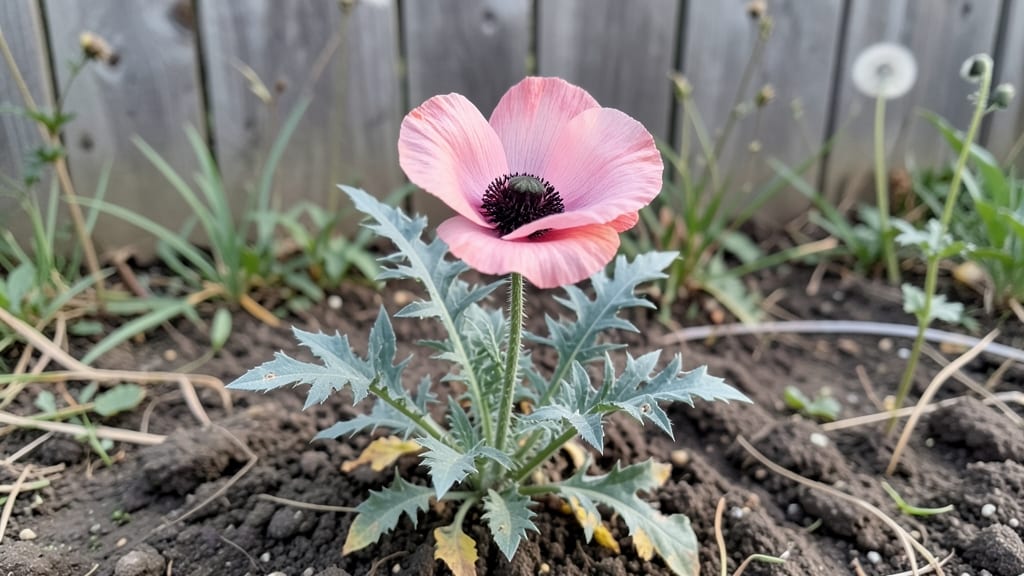
Planting poppy seeds in your garden is like pressing fast-forward on spring—those papery blooms erupt in weeks, painting your yard in fiery reds, soft pinks, and buttery yellows before most annuals even think about waking up. 🌸 I learned the hard way that patience isn’t required with poppies; they’re the garden’s rebellious speedsters, popping up where you least expect them and turning overlooked corners into instant focal points.
The real magic happens when you let them mingle with companions that play to their strengths—lavender for height contrast, salvia for pollinator traffic, or even low-growing thyme to keep weeds at bay.
Poppies thrive in full sun but don’t fuss over soil as long as it drains well, making them perfect for rocky slopes or container edges where other plants might sulk. Their airy stems sway in the breeze, creating movement that no stiff perennials can match.
What you’ll end up with is a garden that feels alive from May through July, humming with butterflies and bees while requiring almost no maintenance beyond an occasional deadheading.
The blooms last just a day or two, but the sheer volume of them creates a nonstop show—like confetti raining down from the sky. Pair them with late-summer bloomers like coneflowers or black-eyed Susans for a season-long parade of color.
Whether you’re filling a cottage-style border, stitching together a wildflower meadow, or just brightening up a balcony planter, poppies deliver drama without the drama. The key is spacing them loosely so each face gets its moment in the sun—literally.
Let’s talk about how to make them the star of your garden without stealing the spotlight from your other plants.
📚 In This Guide
- What you need
- Instructions
- Tips and common mistakes
- Wrapping up and next steps
What you need
- ● Poppy seeds: Choose from Papaver rhoeas (common poppy), Papaver somniferum (opium poppy for ornamental varieties), or Papaver orientale (Oriental poppy). Buy 1–2 packets (500–1,000 seeds per packet) for a full-season show.
- ● Well-draining soil: Poppies hate soggy roots! Mix in compost or perlite (1 part compost to 3 parts garden soil) if your soil is heavy clay.
- ● Sunlight: A spot with full sun (6+ hours/day)—poppies thrive in bright, open areas.
- ● Watering can or hose: A gentle spray nozzle helps avoid disturbing seeds during germination.
- ● Garden trowel or hand fork: For loosening soil and creating shallow furrows (poppy seeds need light to germinate!).
- ● Ruler or measuring tape: To space seeds 6–12 inches apart (check your variety’s spacing needs).
- ○ Optional: Row marker or sticks: Helps keep seeds organized if sowing in long rows.
- ● Mulch (straw or pebbles): Lightly cover seeds with ¼-inch mulch to retain moisture (but not too much—poppies need sunlight!).
- ● Butterfly-friendly companion plants: Marigolds, cosmos, or lavender to attract pollinators.
- ● Decorative stakes or pebbles: For marking poppy rows in a creative way.
- ● Slow-release fertilizer (low nitrogen): A 5-10-10 blend (1 tbsp per 10 sq ft) at planting time boosts blooms.
- ● Drip irrigation or soaker hose: For consistent moisture without overwatering.
How to grow poppies for fast, striking blooms in your garden
Here's the quick method I use to get poppies blooming within weeks—no fuss, just bold color.
🌱 Step 1: Choose the Right Poppy Seeds and Planting Spot
Poppy seeds are tiny but mighty—pick a sunny spot with 6+ hours of direct sun daily. These plants hate competition, so clear weeds and loosen the soil 6-8 inches deep with a garden fork. I like to plant mine in early spring or late summer for fall blooms, as they germinate best in cooler soil.
Scatter seeds ¼ inch deep—they won’t tolerate deep planting. A light dusting of soil is enough. If you’re sowing directly in the garden (no need for pots), space seeds 6-12 inches apart depending on the variety. Larger poppies like California poppies need more room, while tiny ones like Iceland poppies can crowd slightly.
💧 Step 2: Water Gently and Wait for Germination
Keep the soil evenly moist but not soggy until seeds sprout. I use a gentle spray bottle to avoid disturbing the tiny seeds. Poppies germinate in 7-21 days, depending on temperature—cooler soil speeds it up. You’ll know it’s working when you see the first green shoots poking through.
Once sprouts appear, cut back on watering. Poppies are drought-tolerant once established, and overwatering can rot their delicate roots. Let the soil dry out slightly between waterings—you’ll see them thrive with less fuss than most annuals.
☀️ Step 3: Provide Full Sun and Minimal Care
Poppies need full sun to bloom their brightest. If you notice stems stretching or leaves looking pale, they’re reaching for more light—move them to a sunnier spot immediately. These plants grow fast, so watch for first blooms in 6-8 weeks from planting.
Deadhead spent blooms to encourage more flowers, but don’t overdo it—poppies self-seed easily, and you’ll often get surprise blooms the following year. Avoid fertilizing; poppies prefer lean soil and will grow leggy if overfed.
✂️ Step 4: Enjoy Fast Blooms and Attract Butterflies
Poppies bloom quickly, and their vibrant colors draw pollinators like butterflies and bees. Once flowers fade, leave the seed pods for a rustic look—they’re stunning in dried arrangements too. If you want to collect seeds for next year, let a few pods mature fully before harvesting.
These plants are tough once established, so minimal maintenance keeps them happy. Just watch for first blooms in weeks, not months, and you’ll have a garden bursting with color before you know it.
Tips & tricks for growing stunning poppies in your garden
Want poppies that bloom faster and brighter? These simple tricks will help you skip the common pitfalls and get those bold flowers in record time.
Soil Prep Secret: Before planting, mix a handful of coarse sand into your garden bed—this improves drainage and prevents the tiny poppy seeds from rotting. I also recommend adding a thin layer of compost just below the planting depth (about ¼ inch down) to give those delicate roots a nutrient boost without overfeeding. Poppies hate soggy soil, so if your garden tends to stay damp, consider planting them in a raised bed or mound.
Timing is Everything: The 7-21 day germination window can feel like forever, but cooler soil actually speeds up the process. If you're planting in warm weather, try sowing seeds in the evening when temperatures drop naturally. You'll often see sprouts appear within 7-10 days in these conditions. Don't be tempted to water heavily during germination—just keep that soil evenly moist like a wrung-out sponge.
Sunlight Strategy: Those 6+ hours of daily sun are non-negotiable for vibrant blooms, but here's the thing about poppies: they'll tell you when they're not getting enough light. Watch for stems that stretch dramatically (this is called "bolting") or leaves that turn pale yellow. If you notice this after Step 1, move your plants immediately to a sunnier spot—they recover surprisingly well if caught early. Morning sun is especially important for preventing leggy growth.
Deadheading Done Right: When you deadhead those spent blooms to encourage more flowers, don't just yank the whole flower off. Instead, pinch or snip just above the first set of leaves where the flower stem meets the main plant. This encourages stronger regrowth and prevents the plant from diverting energy to seed production too soon. I like to do this on a dry morning when the dew has evaporated—it makes the stems easier to handle.
Pro Tips for Poppy In Garden
- Want poppies that bloom faster and brighter?
- Soil Prep Secret: Before planting, mix a handful of coarse sand into your garden bed—this improves drainage and prevents the tiny poppy seeds from rotting.
- Timing is Everything: The 7-21 day germination window can feel like forever, but cooler soil actually speeds up the process.
Frequently asked questions
Got questions about growing poppies in your garden?
Here are some of the most common ones—plus clear, easy answers to help you plant with confidence!
When is the best time to plant poppy seeds in the garden?
Poppies thrive when planted in early spring (as soon as the soil is workable) or late summer (6-8 weeks before the first frost). Avoid sowing in hot, dry weather—they need consistent moisture to germinate. A light dusting of soil (¼ inch) over seeds works best; they don’t need deep planting!
Do poppies attract butterflies, and which varieties are best?
Poppies are a butterfly magnet, especially California poppies (Eschscholzia californica) and oriental poppies (Papaver orientale). For extra buzz, plant them near nectar-rich flowers like cosmos or lavender. Just avoid hybrid poppies—they’re often sterile and won’t support pollinators.
Why aren’t my poppy seeds germinating, and how can I fix it?
Poppy seeds need light to germinate, so avoid burying them too deep. If they’re not sprouting, check for:
- Moisture: Keep soil evenly damp (not soggy) until seedlings appear (7–14 days).
- Temperature: Ideal soil temps are 60–70°F. If it’s too cold, wait for warmer weather.
- Fresh seeds: Old seeds (over 1 year) may lose viability. Store them in a cool, dry place if saving for next year.
Can I grow poppies in containers, and what’s the best setup?
Yes! Poppies do well in containers with well-draining soil and at least 6–12 inches of depth. Use a mix of potting soil and perlite for airflow. Choose shallow-rooted varieties like Iceland poppies (Papaver nudicaule) for small pots. Just ensure the container has drainage holes—poppies hate soggy roots!
What can I plant with poppies to extend their blooming season?
Pair poppies with self-seeding annuals like larkspur, sweet alyssum, or nigella for continuous color. For height contrast, add delphiniums or snapdragons. Avoid overcrowding—their delicate stems need space to sway in the breeze. Deadhead spent blooms to encourage more flowers, but leave some seed pods for next year’s surprises!
Wrapping up and next steps
Adding poppy seeds to your garden is a rewarding way to bring color, speed, and life to your outdoor space—especially when you’re eager to see quick blooms and welcome fluttering butterflies! 🌸 These hardy annuals are perfect for beginners and experienced gardeners alike, offering low-maintenance beauty with high impact.
Whether you’re sprucing up a sunny border, filling gaps in a cottage garden, or simply craving a pop of joy, poppies deliver.
Ready to plant your vision? Grab those seeds, pick a sunny spot, and get growing—your garden (and local pollinators) will thank you! For extra inspiration, browse our garden design tips or share your poppy progress with the gardening community. Happy planting! 🌱