
Landscaping
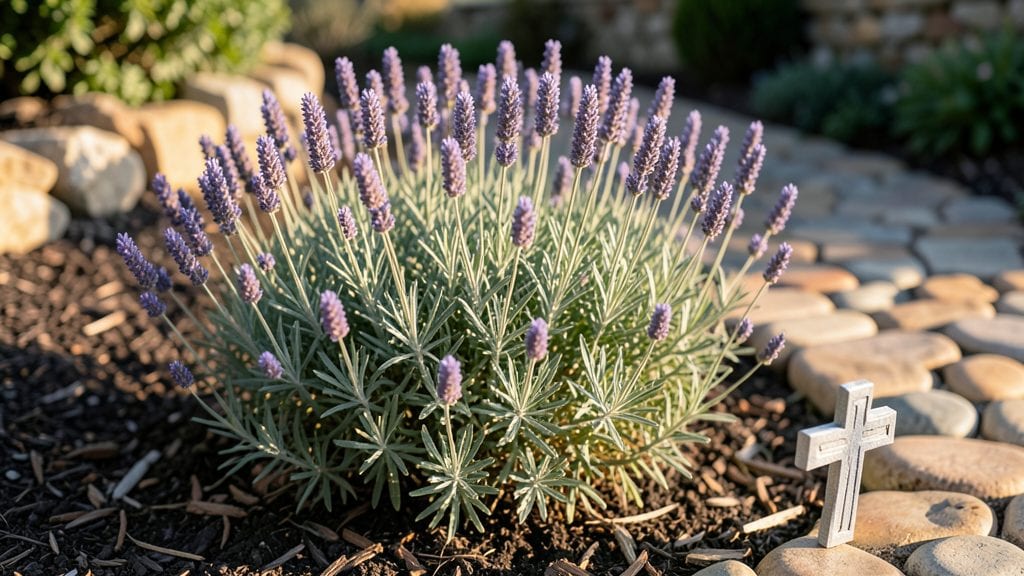
My prayer garden plans began with a quiet corner of my backyard, where the afternoon light filters through—because true sanctuaries start with peace, not just beauty. 🌿 trees and the air hums with cicadas by dusk.
The key isn’t just picking pretty plants—it’s arranging them so every path feels intentional, every seat invites stillness, and every plant carries meaning beyond its leaves.
You’ll need just a few core elements: a central focal point (a bench, stone altar, or small fountain), low-maintenance plants with symbolic value (lavender for calm, rosemary for remembrance, or hostas for protection), and winding paths that encourage slow movement.
My garden uses 3-inch gravel paths between flagstone steps to keep weeds down while adding texture, and I planted evergreen shrubs like boxwood to frame the space year-round. The goal is to create a place where the garden itself becomes a guide for reflection.
What you’ll end up with is a living space that transforms with the seasons—spring’s delicate blooms, summer’s fragrant herbs, autumn’s fiery maples, and winter’s bare branches that still hold quiet strength.
The bench I placed near the fountain becomes my favorite spot for morning coffee or evening prayers, and the scent of lemon balm drifting through the air makes every visit feel like coming home. This isn’t just landscaping; it’s crafting a place where the earth and spirit meet.
Works for any yard size, from a tiny urban balcony (with container plants) to a sprawling backyard. The principles stay the same: intention in layout, symbolism in plants, and a focal point for focus.
Start small—even a single bench surrounded by a few meaningful plants can become a sacred space. Here’s how to begin thoughtfully.
📚 In This Guide
- What you need
- Instructions
- Tips and common mistakes
- Wrapping up and next steps
What you need
- ● Soil & Mulch: Topsoil: 1–2 cubic yards (depending on garden size)
- ● Compost or organic matter: 1–2 bags (for nutrient-rich soil)
- ● Mulch (cedar, pine, or straw): 2–3 bags (to retain moisture and suppress weeds)
- ● Plants & Greenery: Native shrubs or flowering plants (e.g., lavender, rosemary, or hostas): 5–10 plants
- ● Ornamental grasses or bamboo (for texture): 3–5 plants
- ○ Small trees (e.g., Japanese maple or dogwood): 1–2 (optional for privacy or focal points)
- ● Seating & Structures: Bench or meditation cushion: 1 (weather-resistant wood or stone preferred)
- ○ Pergola or trellis (optional but recommended for vines or shade): 1–2
- ○ Water Feature (Optional but Recommended): Small fountain or birdbath: 1 (adds calming sounds)
- ● Gravel or pebbles: 1 bag (for drainage around water features)
- ● Pathways: Gravel, stepping stones, or pavers: Quantity depends on path length (e.g., 50–100 stones for a 10’ path)
- ● Landscape fabric: 1 roll (to prevent weeds under pathways)
- ● Shovel and spade: 1 each
- ● Garden trowel: 1
- ● Wheelbarrow: 1 (for hauling soil and mulch)
- ● Pruners or shears: 1 pair
- ● Measuring tape and stakes: 1 set
- ● Level: 1 (for ensuring pathways and structures are even)
- ● Hose with nozzle or watering can: 1
- ● Knee pads or gardening gloves: 1 pair (for comfort)
- ● Wind chimes or singing bowls: 1–2 (for ambient sound)
- ● Solar-powered garden lights: 4–6 (for evening ambiance)
- ● Sacred symbols or garden art (e.g., stone markers, labyrinth): 1–3
- ● Herbs for prayer or tea (e.g., chamomile, mint, or sage): 3–5 plants
- ● Outdoor rug or carpet: 1 (for added comfort under seating)
Step-by-Step instructions for designing a prayer garden
Creating a sacred space for reflection starts with intentional design—here’s how to craft a layout that nurtures both body and spirit.
🪴 Step 1: Choose a Sacred Location and Clear the Space
Select a quiet corner of your garden where you can sit undisturbed, ideally near natural elements like water, stone, or trees. Avoid high-traffic areas—this space should feel secluded. Once you’ve chosen your spot, clear away debris, rocks, or overgrowth using the pruning shears and garden gloves.
Mark the boundaries with the stakes and twine to define your garden’s shape. A circular or semi-circular layout often feels most harmonious for meditation, but rectangular designs work well if space is limited. Step back and visualize how you’ll move through the space—there should be a clear path to a central focal point.
☀️ Step 2: Design the Layout for Flow and Symbolism
Divide your space into four quadrants, each representing an element or direction: north for stillness, east for new beginnings, south for passion, and west for release. Place the bench or meditation cushion at the north or east edge, where you’ll face inward toward the garden’s heart. This orientation encourages reflection without distraction.
In the center, designate a focal point—a small stone altar, a wind chime, or a small fountain to anchor the space. Surround it with low-growing plants like lavender or rosemary for fragrance, and add taller plants like sunflowers or coneflowers along the perimeter to create a sense of enclosure. Use the measuring tape to ensure plants are spaced 12-18 inches apart for balanced growth.
🌱 Step 3: Plant for Sensory and Spiritual Connection
Select plants with symbolic meaning—roses for love, sage for purification, or jasmine for peace. Use the garden trowel to dig small holes for each plant, ensuring roots are covered but not buried too deeply. Water each one gently with the watering can to settle the soil around the roots.
Incorporate a few native plants to support local wildlife, like milkweed for butterflies or wildflowers for bees. These additions deepen the garden’s connection to the natural world. Avoid overcrowding; leave room for the plants to grow and for you to walk among them. Mulch with the organic mulch to retain moisture and reduce weeds, applying a 2-inch layer around each plant.
✂️ Step 4: Add Pathways and Finishing Touches
Create a winding path with the gravel or stepping stones, guiding visitors deeper into the garden. A curved path encourages contemplation and invites you to pause at different points. Use the landscape rake to spread the gravel evenly, leaving a 4-inch-wide path for easy walking.
Add final touches like a small birdbath for water, a candle holder for evening reflection, or a wooden cross or prayer stone as a focal point. Place these elements intentionally—near the bench, along the path, or at the garden’s center. Step back and observe how the space feels; it should inspire calm and invite you to linger.
💧 Step 5: Maintain and Nurture the Sacred Space
Water the garden deeply 2-3 times per week, using the watering can to target the base of each plant. Avoid overwatering—soil should feel moist but not soggy. Prune spent blooms with the pruning shears to encourage new growth and keep the space tidy. Weed regularly to prevent distractions during meditation.
Visit your prayer garden often to tend to it and to reflect. Over time, the space will evolve, deepening its connection to your spiritual practice. Keep a small notebook nearby to jot down thoughts or prayers—this ritual of recording and revisiting will enrich your experience.
Tips & tricks for designing a meaningful prayer garden
Between us, the most transformative prayer gardens aren't just planted—they're designed with intention. Here's how to elevate your sacred space from ordinary to extraordinary.
The Sacred Geometry: The four-quadrant layout in Step 2 isn't just symbolic—it creates a natural flow for meditation. I've found that placing your bench at the north edge (for stillness) creates a perfect balance with the east quadrant (new beginnings) directly across from it. This mirroring effect actually enhances the meditative experience when you move between spaces. The key is ensuring your focal point remains visible from all quadrants, creating visual continuity.
Plant Placement Psychology: When arranging plants in Step 3, consider the sensory journey. Place fragrant herbs like rosemary near your bench so their scent reaches you during meditation, while taller sunflowers along the perimeter create a natural boundary that enhances the sense of enclosure. I learned this the hard way—my first attempt had all the fragrant plants clustered in one corner, which made the space feel uneven. The 12-18 inch spacing isn't just about growth; it's about creating visual breathing room that mirrors the mental space you need for prayer.
Pathway Intention: The winding path in Step 4 should feel like an invitation to pause, not just a means to get from point A to B. I recommend adding subtle turns that encourage you to stop and reflect at each quadrant. You can mark these pauses with small stones or plant markers—just enough to guide without distracting. The 4-inch width is perfect for creating that intimate, contemplative walk while still being practical for maintenance.
Seasonal Adaptation: Your garden will evolve with the seasons, and that's beautiful—but it requires planning. In Step 5, consider adding a few evergreen plants like boxwood or dwarf conifers to provide year-round structure. For seasonal flowers, choose varieties that bloom sequentially (like tulips in spring, coneflowers in summer, and chrysanthemums in fall) so your garden always has something to offer. This creates a living calendar of spiritual reflection that changes with the natural world.
Pro Tips for Prayer Garden Plans
- Between us, the most transformative prayer gardens aren't just planted—they're designed with intention.
- The Sacred Geometry: The four-quadrant layout in Step 2 isn't just symbolic—it creates a natural flow for meditation.
- Plant Placement Psychology: When arranging plants in Step 3, consider the sensory journey.
Frequently asked questions
Got questions about creating your prayer garden? You’re not alone!
Here are some common concerns—and practical answers—to help you design a space that feels truly sacred.
What’s the best size for a prayer garden?
A prayer garden can be as small as a corner of your backyard (think 4’x4’ for seating) or as large as your entire yard. Start small if space is limited—even a cozy nook with a bench and a few plants can foster deep reflection. Pro tip: Measure your seating area first, then expand outward with pathways or plant beds.
How long does it take to build a prayer garden?
Timing depends on your design and DIY skills! A basic layout with pre-planted shrubs and a simple bench can take 1-2 weekends. More intricate designs (like stone pathways or water features) may require 4-8 weeks for materials to arrive and curing time. Troubleshoot: Order materials early and prioritize tasks like soil prep first!
Can I use drought-tolerant plants in a prayer garden?
Drought-tolerant plants (like lavender, rosemary, or succulents) thrive in low-maintenance gardens and symbolize resilience—perfect for spiritual spaces. Just ensure they align with your climate. Alternative idea: Native plants require less water and support local ecosystems.
Do I need a bench or can I use other seating?
Not at all! Benches are classic, but you can also use yoga mats, floor cushions, or even a simple log for seating. If mobility is a concern, consider a low, wide stool or a portable chair. Inspiration: Some gardens incorporate built-in stone seats or hanging chairs for a unique touch.
What if my garden gets overgrown or messy?
Even sacred spaces need upkeep! Schedule quarterly maintenance (pruning, weeding, and checking pathways) to keep your garden vibrant. Use mulch to suppress weeds and ground covers (like creeping thyme) to reduce effort. Troubleshoot: Assign a “spiritual tidying” day—pair it with prayer or meditation to make it meaningful.
Wrapping up and next steps
Creating a prayer garden is more than just landscaping—it’s a sacred space where peace, intention, and connection flourish. Whether you’re designing a serene corner for daily reflection or a communal area for shared worship, your garden will become a living sanctuary of tranquility. 🌿✨
Now that you’re equipped with prayer garden plans, materials, and answers to common questions, it’s time to roll up your sleeves! Start small—even a single bench with a few plants can transform into a place of quiet power.
Invite friends, family, or your community to join you in nurturing this space, and watch how it grows into a haven for the soul.
Next step: Sketch your design, gather your tools, and let your heart guide the way. Your prayer garden awaits—blessings on your journey! 🙏