Pests
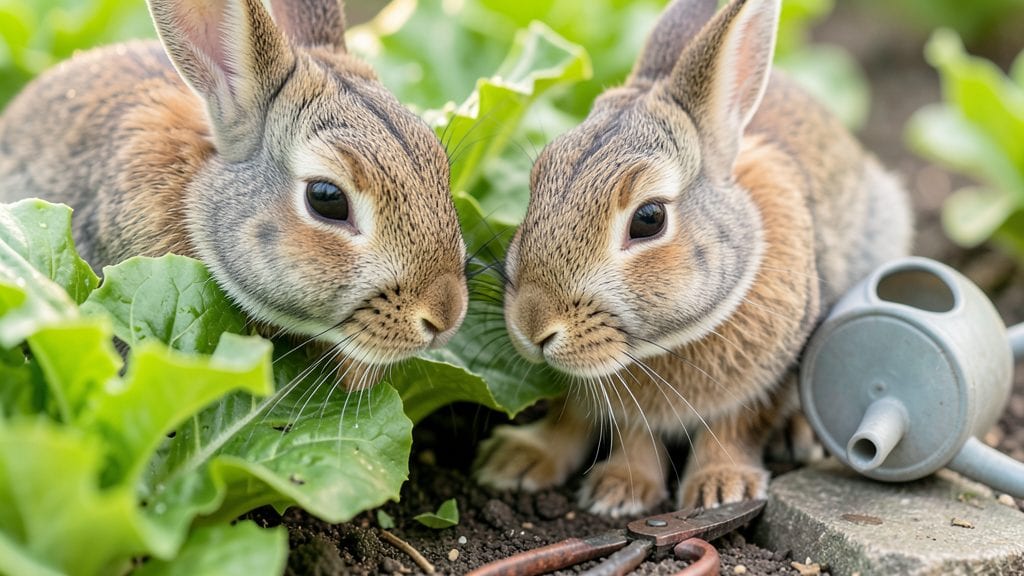
Rabbits eating your garden isn’t just annoying—it’s a full-blown war on your hard work. 🌱 I’ve lost entire rows of lettuce, chewed stems of my prized roses, and watched young seedlings vanish overnight. The good news? Humane barriers that actually work exist, and they don’t require poison or traps.
My go-to defense combines a 6-foot tall hardware cloth fence (buried 2 inches deep to block diggers) with companion plants like garlic and lavender that rabbits avoid.
Commercial repellents like Liquid Fence work temporarily, but the fence is the only permanent fix. Even then, I still check my garden daily for new nibble marks.
By spring, you’ll see your plants thrive without a single chewed leaf in sight. The fence stays sturdy for years, and the companion plants add beauty while keeping pests away. It’s not just about saving your veggies—it’s about reclaiming your garden from these fluffy invaders.
Works for vegetable patches, flower beds, and even young trees. The key is consistency—once rabbits learn there’s no easy snack, they move on. Let’s get your garden back under control.
📚 In This Guide
- What you need
- Instructions
- Tips and common mistakes
- Wrapping up and next steps
What you need
- ● Hardware cloth or rabbit-proof wire mesh (1/2-inch or smaller mesh size) – Enough to cover vulnerable garden areas (e.g., 50–100 sq. ft. for a small plot).
- ● Sturdy garden stakes or metal posts (4–6 inches long, spaced 2–3 feet apart) – For anchoring the mesh securely.
- ● Heavy-duty zip ties or wire – To attach mesh to stakes or fencing.
- ● Gloves and work gloves – For handling wire and thorny plants (if using).
- ● Measuring tape and scissors/wire cutters – For precise cuts and adjustments.
- ● Post-hole digger or mallet – For securing stakes into the ground.
- ● Plastic or metal edging – To create a clean barrier around raised beds or borders.
- ● Thorny plants (e.g., roses, berry bushes, or barberry) – Natural deterrents to discourage rabbits from digging or climbing.
- ● Motion-activated sprinklers – For extra scaring power (great for larger areas!).
- ● Decoy predators (plastic owls or snakes) – Psychological trickery—move them weekly for effectiveness!
- ● Landscape fabric – To line the ground under mesh and prevent burrowing.
Step-by-Step instructions for creating humane rabbit barriers in your garden
Here’s how to protect your plants without harming these adorable nibblers—tested methods that actually keep them out.
🪴 Step 1: Choose the Right Barrier Materials
Start with wire mesh (at least 1-inch hardware cloth or ¼-inch chicken wire)—rabbits can’t chew through it, and it’s sturdy enough to last seasons. For a softer look, burlap sacks or heavy-duty landscape fabric work too, but secure them tightly. Avoid plastic fencing; rabbits dig under it easily.
Measure your garden beds first. Cut materials 12-18 inches tall—rabbits can jump surprisingly high when motivated. For raised beds, extend the barrier 6 inches outward to block their digging. I like to bury the bottom edge 4-6 inches deep or bend it outward at a 45-degree angle to deter tunneling.
✂️ Step 2: Install Physical Barriers Around Plantings
For in-ground gardens, line the perimeter with your chosen barrier, overlapping edges by 6 inches to prevent gaps. Secure it with stakes or U-shaped pins every 2-3 feet—rabbits can push through flimsy supports. If using wire mesh, bend the top edges inward slightly to discourage climbing.
For individual plants, wrap trunks or stems with wire mesh sleeves (cut from hardware cloth) or encircle them with small hoops of wire covered in burlap. This protects young seedlings without blocking sunlight. Water the soil before installing—damp earth sticks together better, making it harder for rabbits to dig underneath.
🌱 Step 3: Add Motion-Deterrent Tactics
Rabbits avoid areas with unpredictable movement. Place wind chimes, old CDs, or reflective tape near the barrier’s edge—they’ll steer clear of the noise and flashes. I also sprinkle coarse sand or crushed gravel along the barrier’s base; the texture and sound deter digging.
For raised beds, try planting rabbit-resistant companions like lavender, rosemary, or marigolds around the perimeter. The strong scents mask your veggies’ aromas. Avoid mulch near barriers—it provides cover for sneaky foragers. Instead, use gravel or wood chips in a 2-inch border along the mesh.
🌿 Step 4: Reinforce Weak Points Weekly
Check barriers every 7-10 days for gaps, holes, or bent sections. Rabbits will exploit even a 2-inch opening, so patch immediately with extra mesh or fabric. If you spot fresh dig marks, extend the barrier’s buried edge another 2-3 inches deeper or add a second layer of wire at the base.
After heavy rains, re-secure stakes and tighten loose fabric. Damp materials sag, creating easy entry points. I keep a roll of zip ties handy to quickly reinforce flapping edges. This step is critical—skipping it means your barrier fails when it matters most.
🌱 Step 5: Combine Barriers for Maximum Protection
Layer two types of barriers for high-risk areas. For example, pair wire mesh with a 12-inch-tall fence topped with 3-4 strands of electric fence (set to low voltage, just a tingling sensation). The electric wire alone often scares rabbits away, while the mesh blocks determined diggers.
For small gardens, elevate vulnerable plants in wire mesh cages (like large tomato cages) or hang baskets from overhead supports. Rabbits can’t reach what’s above their heads. If you’re growing carrots or radishes, interplant them with onions or garlic—their pungent smell repels rabbits naturally.
Tips & tricks for humane rabbit barriers that actually work
Real talk: Rabbits are clever and persistent, so these tricks will help you stay one step ahead of their nibbling strategies.
Height is Everything: That 12-18 inch height recommendation isn't just a suggestion—rabbits can jump surprisingly high when they're hungry! I've seen them clear 16 inches easily. For extra protection, especially in areas with determined bunnies, go for the full 18 inches or add a slight inward bend at the top to discourage climbing attempts. The 6 inches outward extension for raised beds is also critical—rabbits will dig under if they sense easy access.
Buried Barriers Beat Surface Barriers: The 4-6 inches deep burial or 45-degree outward bend in Step 1 is non-negotiable. Rabbits are master diggers, and they'll exploit any weak point. I learned this the hard way when my first attempt had just 2 inches buried—within days, they'd tunneled underneath. For high-risk areas, consider adding a second layer of wire at the base or using a deeper trench filled with rocks to block their digging completely.
Motion Deterrents Work Best When Combined: In Step 3, don't rely on just wind chimes or reflective tape alone. Rabbits are smart—they'll learn to ignore single deterrents. I've had the most success pairing motion-activated sprinklers (set to just a light mist) with the reflective elements. The unexpected spray combined with the flashes creates a much stronger deterrent. For the gravel border, use sharp-edged gravel rather than smooth pebbles—the texture is more off-putting to their sensitive paws.
The Weekly Check is Your Secret Weapon: That 7-10 day inspection schedule in Step 4 might seem tedious, but it's what separates successful gardens from rabbit buffets. I keep a small toolkit with zip ties, extra mesh patches, and a flashlight in my shed specifically for these inspections. Pay special attention to areas where different materials meet—these are prime spots for rabbits to find weaknesses. If you notice fresh dig marks, don't just patch the hole; extend your barrier's buried edge another 2-3 inches deeper to prevent future attempts.
Pro Tips for Rabbits Eating Garden
- Real talk: Rabbits are clever and persistent, so these tricks will help you stay one step ahead of their nibbling strategies.
- Height is Everything: That 12-18 inch height recommendation isn't just a suggestion—rabbits can jump surprisingly high when they're hungry!
- Buried Barriers Beat Surface Barriers: The 4-6 inches deep burial or 45-degree outward bend in Step 1 is non-negotiable.
Frequently asked questions
Got questions?
You’re not alone—dealing with rabbits munching on your garden can be tricky! Here are answers to the most common concerns to help you protect your plants without harming these adorable (but hungry) critters.
What’s the best time of day to check for rabbit damage?
Rabbits are most active at dawn and dusk, so those are the best times to spot fresh damage or set up temporary deterrents like wire mesh. If you notice chewed leaves or plants in the morning, they likely did it overnight—so evening checks can help you act fast!
Will chicken wire work to keep rabbits out?
Not on its own! Chicken wire has gaps (about 1 inch) that rabbits can squeeze through. For real protection, use hardware cloth with ¼-inch or smaller holes buried at least 12 inches deep. Bend it outward at the top to stop them from digging underneath.
Are there plants rabbits won’t eat?
Yes! Rabbits usually avoid strong-smelling herbs like rosemary, thyme, or sage, as well as alliums (onions, garlic, chives) and foxglove. Planting these near vulnerable veggies can act as a natural deterrent. Just don’t rely on them alone—combine with physical barriers for best results!
How long until I see results from rabbit-proofing my garden?
That depends! If you install barriers before planting, you’ll see immediate protection. For existing gardens, give it 1–2 weeks to ensure rabbits don’t return to their favorite spots. Consistency is key—remove any signs of damage quickly to discourage repeat visits.
What do I do if rabbits keep coming back after I’ve put up barriers?
First, check for gaps or weak spots in your barriers (especially near fences or low-hanging branches). If they’re still getting in, try motion-activated sprinklers or scatter commercial rabbit repellent granules (like Liquid Fence) around the perimeter. Relocate their food sources (like wild grasses) away from your garden too!
Still stumped? Drop your specific challenge in the comments—we’re happy to help!
Wrapping up and next steps
Rabbits eating your garden doesn’t have to mean defeat—it’s all about smart, humane solutions! 🌱 From DIY wire mesh barriers to natural repellents like garlic or marigolds, there’s a method to protect your plants without harming these adorable (but hungry) critters.
The key is consistency, patience, and choosing the right approach for your space.
Ready to reclaim your garden? Start by assessing your yard and testing one of the barriers or repellents mentioned. Keep experimenting until you find what works best—your green thumb (and your veggies) will thank you! 🌟