
Flowers
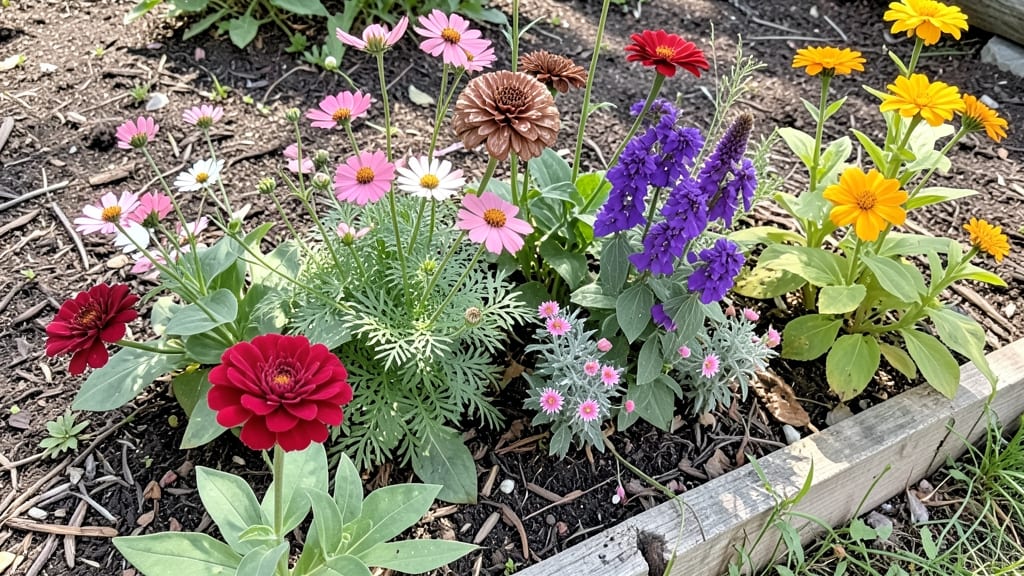
Creating a rainbow garden isn’t about luck—it’s about choosing the right flowers to bloom together in vibrant harmony. 🌈 I’ve designed rainbow gardens for friends with busy schedules, and the secret lies in mixing perennials that return year after year with annuals that fill gaps effortlessly.
The result? A border or bed that looks like a living watercolor painting from spring through frost.
Start with a color wheel layout: place complementary hues (like red and blue) across from each other, then fill the middle with warm tones (yellows, oranges). My go-to zero-fuss combos include black-eyed Susans (gold) paired with purple coneflowers, then edged with salmon cosmos for a pop.
Bulbs like tulips add early-season splashes, while coreopsis and shasta daisies keep the show going all summer.
You’ll end up with a garden that feels like it’s always in peak bloom—no deadheading required. The key is layering heights (tall back, medium middle, low front) so every color gets noticed, and mixing textures (feathery fountain grass next to velvety hollyhocks) for depth.
Even in partial shade, heuchera and astilbe deliver rainbow punch with minimal care.
Works in containers, raised beds, or traditional flower beds—just adjust spacing for your space. Here’s how to make it happen without the usual upkeep headaches.
📚 In This Guide
- What you need
- Instructions
- Tips and common mistakes
- Wrapping up and next steps
What you need
- ● Rainbow Garden Flowers (Seeds or Plants): 10–20 pansy plants (purple, blue, yellow) – cold-hardy, blooms early
- ● 10–15 marigold seeds/seedlings (orange, gold) – pest-repellent, sun-loving
- ● 8–12 snapdragon plants (pink, red, white) – drought-tolerant, long-lasting
- ● 5–10 zinnia seeds (crimson, lime, magenta) – thrives in heat, attracts pollinators
- ● 5–8 cosmos plants (pink, white, bi-color) – self-seeding, low-maintenance
- ● 3–5 salvia plants (blue, purple, red) – deer-resistant, drought-tolerant
- ● Soil & Fertilizer: 50 lbs well-draining potting mix (or amend garden soil with compost)
- ● 1 lb slow-release granular fertilizer (10-10-10 ratio) – for balanced nutrition
- ● Tools: 1 garden trowel (for planting seeds/transplants)
- ● 1 hand pruners (for trimming dead blooms)
- ● 1 watering can (2–3 gallon capacity) or hose with gentle spray nozzle
- ○ 1 gardening gloves (optional but recommended!)
- ● Mulch (2–3 inches of straw or shredded bark) – retains moisture, suppresses weeds
- ● Decorative garden stakes or trellis (for climbing flowers like morning glories)
- ● Natural pest deterrents (e.g., neem oil spray or companion plants like basil)
- ● Self-watering drip irrigation kit (for hands-off hydration)
- ● Color-coordinated garden markers (to track varieties and rotations)
Step-by-Step instructions for planting a rainbow garden flowers display
Here's how I create vibrant, low-maintenance flower beds that bloom from spring to frost.
🌱 Step 1: Plan Your Color Palette and Plant Placement
Start by sketching a simple layout that groups flowers by height and bloom time. I like to place taller varieties like delphiniums and snapdragons at the back, medium-height like zinnias and cosmos in the middle, and low-growing like petunias and marigolds at the front. This creates natural layers and prevents taller flowers from shading smaller ones too early.
Use a color wheel to select complementary hues—purples with yellows, reds with greens—that will make your garden pop. I always include at least three flowers that bloom in each season: early spring for color right away, summer for peak vibrancy, and fall for late-season interest. For example, sweet alyssum for spring, zinnias for summer, and chrysanthemums for fall.
🪴 Step 2: Prepare the Soil and Planting Spaces
Clear the area of weeds and rocks, then loosen the soil to a depth of 6-8 inches using a garden fork. Mix in 2-3 inches of compost or aged manure to enrich the soil naturally. This step is crucial because rainbow gardens thrive in well-draining, nutrient-rich soil that supports diverse root systems.
Mark planting spots with stakes or spray paint, spacing them according to mature plant sizes. For instance, place taller flowers like delphiniums 18-24 inches apart, medium-height zinnias 12-18 inches apart, and low petunias 8-12 inches apart. This spacing ensures each plant gets enough air circulation and sunlight, reducing competition and disease risk.
☀️ Step 3: Plant Flowers According to Sunlight Needs
Group flowers by their sunlight requirements to simplify care. Place full-sun lovers like zinnias, cosmos, and marigolds in the brightest spots, where they’ll receive at least 6-8 hours of direct sunlight daily. These varieties will reward you with bold, long-lasting blooms if given enough light.
For partial-shade plants like impatiens or begonias, position them where they’ll get 3-6 hours of sunlight, typically near taller plants that provide gentle afternoon shade. Avoid planting shade-loving flowers in full sun—they’ll wilt quickly and produce fewer blooms. Water each newly planted flower deeply to settle the soil around the roots and encourage strong establishment.
💧 Step 4: Water and Mulch for Season-Long Blooms
Water the entire bed deeply right after planting, then maintain 1 inch of water per week during the growing season. I like to water in the early morning so the foliage dries quickly, reducing the risk of fungal diseases. Use a soaker hose or drip irrigation to deliver water directly to the roots without wetting the leaves.
Spread 2-3 inches of mulch over the soil surface, keeping it 2 inches away from plant stems to prevent rot. Organic mulch like shredded bark or straw helps retain moisture, suppresses weeds, and regulates soil temperature. Replenish mulch as it breaks down to maintain its protective layer throughout the season.
✂️ Step 5: Maintain with Minimal Effort
Deadhead spent blooms regularly to encourage continuous flowering. Simply pinch or cut off the faded flowers with clean pruners, leaving a small portion of the stem. This simple task tricks the plant into producing more blooms instead of focusing on seed development. I do this every 2-3 days during peak bloom periods to keep the garden looking fresh.
Fertilize lightly every 4-6 weeks with a balanced, water-soluble fertilizer to support steady growth. Avoid over-fertilizing, as this can lead to lush foliage but fewer flowers. Instead, focus on consistent watering and occasional pruning to keep plants healthy and blooming. With this approach, your rainbow garden will stay vibrant with minimal daily effort.
Tips & tricks for perfect rainbow garden flowers
A few strategic moves will ensure your rainbow garden thrives all season long without the fuss.
Color Theory Matters: When selecting your palette in Step 1, remember that cool colors (blues, purples) recede visually while warm colors (reds, yellows) pop forward. Place cool hues toward the back of the bed and warm tones at the front to create depth. I also recommend including at least one white flower—it acts as a natural brightener and reflects light, making other colors appear more vibrant.
Soil Preparation Secret: In Step 2, don't just loosen the soil—test its drainage first. Dig a small hole, fill it with water, and time how long it takes to drain. If water remains after 6 hours, amend with sand or perlite. Proper drainage prevents root rot, especially for shallow-rooted flowers like petunias. I've seen gardens fail spectacularly when this step gets skipped!
Sunlight Strategy: For Step 3, pay attention to your garden's microclimates. South-facing areas get the most sun, while north sides remain shadier. If you're planting sun-loving zinnias in partial shade, they'll produce fewer blooms. Instead, swap them for shade-tolerant impatiens or begonias in those spots. This simple adjustment prevents disappointment later.
Watering Wisdom: The 1-inch weekly watering guideline in Step 4 works for most gardens, but adjust for your climate. In hot, dry summers, you might need 1.5 inches per week, while cooler springs may only require 0.75 inches. I always check soil moisture by sticking my finger 1 inch down—if it's dry, water; if damp, wait. This prevents both underwatering and overwatering.
Pro Tips for Rainbow Garden Flowers
- A few strategic moves will ensure your rainbow garden thrives all season long without the fuss.
- Color Theory Matters: When selecting your palette in Step 1, remember that cool colors (blues, purples) recede visually while warm colors (reds, yellows) pop forward.
- Soil Preparation Secret: In Step 2, don't just loosen the soil—test its drainage first.
Frequently asked questions
Got questions about creating a vibrant rainbow garden? We’ve got answers!
Whether you’re a beginner or a seasoned gardener, these FAQs will help you plant with confidence and keep your flower beds bursting with color all season long.
What are the easiest rainbow garden flowers for beginners?
Start with low-maintenance, fast-growing annuals like zinnia, marigold, cosmos, and sunflower. Perennials like black-eyed Susan or coneflower also thrive with minimal fuss. These flowers tolerate a range of soils, need little pruning, and bloom prolifically—perfect for instant color!
When is the best time to plant rainbow garden flowers?
For most regions, sow seeds after the last frost (typically late spring) or transplant seedlings in early summer. In warmer climates, you can plant in fall for winter blooms. Pro tip: Check your local frost dates and opt for heat-tolerant varieties if summer temperatures soar.
How often should I water rainbow garden flowers?
Water deeply 2–3 times per week during the first month, then taper to 1–2 times weekly once established (adjust for drought). Mulch around plants to retain moisture and suppress weeds. Morning watering prevents fungal issues, and drip irrigation ensures roots get consistent hydration.
Can I mix perennials and annuals in the same rainbow garden?
Pair annuals (like petunias or pansies) for quick color with perennials (e.g., lavender or daylilies) for long-term structure. Annuals fill gaps and provide seasonal variety, while perennials return year after year. Design tip: Group plants by sunlight needs to avoid overcrowding.
Why aren’t my rainbow garden flowers blooming as expected?
Check these common issues:
- Deadheading: Remove spent blooms to encourage new flowers.
- Sunlight: Most rainbow flowers need 6+ hours of sun daily.
- Fertilizer: Use a balanced, water-soluble fertilizer every 4–6 weeks.
- Pests: Inspect for aphids or slugs and treat organically if needed.
Wrapping up and next steps
Creating a rainbow garden full of vibrant, low-maintenance flowers is easier—and more rewarding—than you think! With the right mix of sun-loving perennials, annuals, and smart planting tips, you can enjoy season-long color with minimal effort.
Whether you’re a green thumb or a beginner, these cheerful blooms will bring joy and life to your outdoor space.
Ready to dive in? Start small—pick a sunny spot, gather your favorites, and let nature do the rest! Your garden’s next masterpiece is just a shovel’s throw away. 🌈✨