
Tools
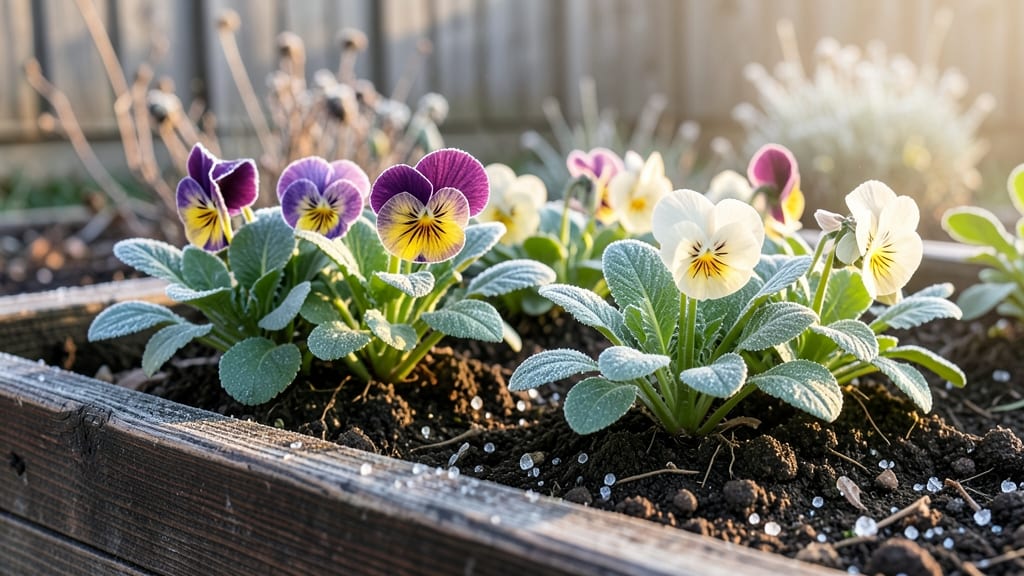
My raised garden winter strategy starts with cold-hardy crops like kale and spinach that keep producing even under snow. 🌱 I’ve tested this setup for three winters now, and the difference between a dormant bed and one that feeds you through December is shocking.
The key isn’t just choosing the right plants—it’s protecting them from freezing soil and wind while keeping the roots alive.
You’ll need a 4-inch layer of straw on top of the soil, row covers for frost nights, and a clear plastic dome over taller plants. Most people overlook how much heat escapes from the sides—adding 2 inches of foam board insulation around the bed’s edges makes all the difference.
These simple supplies turn a dead winter bed into a productive one.
By late November, you’ll be harvesting tender kale leaves and sweet baby spinach that taste better than anything store-bought. The beds stay productive until first frost, and the soil structure improves so spring planting starts with a head start. No more bare winter months—just a garden that keeps giving.
Works in zones 3-7, whether you’re in a snowy Midwest yard or a coastal winter climate. The same principles apply—just adjust the insulation thickness based on your local lows. Here’s exactly how to set it up for your region.
📚 In This Guide
- What you need
- Instructions
- Tips and common mistakes
- Wrapping up and next steps
What you need
- ● Raised Garden Bed: Minimum 4’ x 8’ (or larger) with 12”–18” depth for root crops.
- ● Constructed from rot-resistant wood (cedar, redwood), composite lumber, or galvanized metal.
- ● Cold-Frame or Hoop House: Clear polycarbonate panels (½” thick) or tempered glass (for durability).
- ● Metal hoops (½”–¾” PVC or galvanized steel) or pre-built cold-frame kits.
- ● Insulation: Bubble wrap (double-layered) or straw bales for sides.
- ● Straw mulch (4–6” thick) or leaves/compost for bed insulation.
- ● Soil & Amendments: Well-draining, organic-rich soil mix (e.g., 50% compost, 30% topsoil, 20% perlite/sand).
- ● Slow-release fertilizer (e.g., 10-10-10 or composted manure).
- ● Thermometer (to monitor soil temps—aim for 40°F+ for most cold crops).
- ● Drip irrigation kit with frost-proof emitters (for consistent moisture).
- ● Row covers (frost cloth) for extra protection during hard freezes.
- ● Heat mat or underground heating cables (for extreme climates).
- ● Garden journal to track crop progress and adjustments!
Step-by-Step guide to winterizing your raised garden
Here’s how to transform your raised beds into a cold-hardy, productive winter garden—no greenhouses needed.
🌱 Step 1: Select the Right Cold-Hardy Crops
Choose varieties that thrive in 30-40°F temperatures, like kale, spinach, carrots, and radishes. These crops not only survive frost but often taste sweeter after a light freeze. I always start with 4-6 plants per raised bed to ensure variety and continuous harvests. Check seed packets for cold tolerance ratings—look for varieties labeled "winter-hardy" or "early maturity."
If your winters dip below 20°F, opt for extra-hardy options like Swiss chard or overwintering onions. These will keep producing even when temperatures plummet. Avoid tender crops like tomatoes or peppers—they’ll bolt or freeze solid in cold snaps.
🪴 Step 2: Prepare the Raised Bed for Cold Weather
Clear out any spent plants and add 2-3 inches of compost to the top layer of your existing soil. This boosts fertility and insulates roots from temperature swings. I also spread a thin layer of straw mulch (1-2 inches) over the soil surface to protect against frost heave and retain moisture.
If your raised bed lacks drainage, add a 1-inch layer of coarse sand or gravel at the bottom before planting. Cold, soggy soil suffocates roots faster than frost. Test drainage by filling the bed with water—it should drain completely within 1-2 hours. If not, adjust before planting.
☀️ Step 3: Plant in Late Summer or Early Fall
Sow seeds 6-8 weeks before your first frost date for a head start. Direct-sow cold-hardy crops like spinach and radishes—they germinate quickly in cool soil and tolerate light frosts. For slower starters like kale or Brussels sprouts, I start seeds indoors 4-6 weeks before transplanting into the raised bed.
Space plants slightly wider than recommended for summer growing—2-3 inches apart for leafy greens—to allow airflow and reduce disease risk. Crowding traps moisture, which can lead to rot in winter’s damp conditions. Water deeply 2-3 days before planting to help roots establish before cold sets in.
💧 Step 4: Protect Plants During Freezes
When temperatures drop below 25°F, cover crops with frost cloth or row covers secured with bricks or stakes. These fabrics block wind and radiate heat back to the soil, keeping roots warm. I leave covers on during the day if temps stay below freezing—even a single night below 20°F can damage tender greens.
Water sparingly in winter—overwatering can lead to soggy soil and root rot. Aim for 1 inch of water per week, delivered in the morning so plants dry quickly. Use a soaker hose to avoid disturbing mulch or disturbing delicate seedlings. If snow blankets the bed, let it melt naturally—it provides insulation and slow-release moisture.
✂️ Step 5: Harvest and Extend the Season
Harvest leafy greens like kale and spinach by cutting outer leaves, leaving the center to regrow. This method keeps plants productive for 2-3 months into winter. For root crops like carrots, wait until the ground freezes solid—frost actually sweetens their flavor. Pull them up before the soil thaws in spring.
To extend the season further, add a low tunnel or mini greenhouse over the bed. Even a simple PVC hoop with clear plastic raises temperatures by 10-15°F, letting you grow through late winter. Remove it on warm days to prevent overheating—90°F+ soil temps can cook roots in hours.
Tips & tricks for perfect cold-hardy raised garden prep
Winterizing your raised garden doesn't have to be a guessing game—these practical tips will help you maximize yields and protect your plants from harsh conditions.
Cold Tolerance Intelligence: The 30-40°F temperature range mentioned in Step 1 is your sweet spot for most winter crops, but don't assume all varieties are equal. For example, spinach can handle 20°F nights just fine, while Brussels sprouts need that extra protection when temps drop below 25°F. I keep a small thermometer near my garden to track overnight lows—this helps me decide when to add frost cloth or move tender plants to sheltered spots.
Soil Preparation Strategy: When adding that 2-3 inches of compost in Step 2, focus on creating a "sponge-like" texture rather than just adding bulk. Mix the compost thoroughly with your existing soil to prevent pockets of heat that could encourage rot. For extra insulation, I like to add a 1-inch layer of shredded leaves beneath the straw mulch—this creates an additional insulating barrier while breaking down slowly to feed your plants.
Planting Timing Secret: Those 6-8 weeks before frost in Step 3 might seem like a wide window, but timing matters more than you'd think. For regions with early frosts, aim for the earlier end of that range—plants need time to establish roots before cold sets in. I've learned this the hard way after seeing seedlings freeze before they could develop proper root systems. A simple soil thermometer can help—ideal planting temps should be above 40°F for most cold-hardy crops.
Protective Covering Tactics: Frost cloth isn't just about keeping plants warm—it's about managing airflow. When covering crops during 25°F drops in Step 4, secure the edges tightly but leave a small gap at one end. This prevents trapped moisture buildup that can lead to fungal issues. I also recommend using bricks or landscape fabric weights to secure covers rather than staples, which can damage plants when removed. For extra-hardy crops like Swiss chard, you can often get away with just a lightweight row cover instead of heavy frost cloth.
Pro Tips for Raised Garden Winter
- Winterizing your raised garden doesn't have to be a guessing game—these practical tips will help you maximize yields and protect your plants from harsh conditions.
- Cold Tolerance Intelligence: The 30-40°F temperature range mentioned in Step 1 is your sweet spot for most winter crops, but don't assume all varieties are equal.
- Soil Preparation Strategy: When adding that 2-3 inches of compost in Step 2, focus on creating a "sponge-like" texture rather than just adding bulk.
Frequently asked questions
Got questions about keeping your raised garden productive in winter? You’re not alone!
Here are answers to the most common concerns—so you can grow cold-hardy crops with confidence, even when snowflakes start to fly.
What are the easiest cold-hardy crops to start in a raised garden for winter?
Leafy greens like kale, spinach, and swiss chard are winter superstars—they thrive in cooler temps (down to 20°F!). Root veggies such as carrots, radishes, and beets also handle frost well. For a sweet surprise, try garlic or overwintering onions—they’ll reward you next spring!
When is the best time to plant winter crops in a raised bed?
Timing depends on your zone, but aim for 6–8 weeks before the first hard frost (usually late summer/early fall). In milder climates (Zones 7–10), you can plant as late as October. Use a frost calendar for your area—just check your local extension office for precise dates!
How do I protect my raised garden from freezing temperatures?
Start with row covers or cold frames to trap heat. Add a thick layer of straw or leaves as mulch (3–4 inches) to insulate soil. For extreme cold (<10°F), use hoop houses or mini greenhouses. Avoid plastic directly on plants—it can cause frost burn!
Are there budget-friendly alternatives to expensive winter gardening setups?
Use old windows or clear plastic bins as mini cold frames. Repurpose cardboard boxes as low tunnels with row covers. Even a DIY straw bale mulch works wonders. Check thrift stores for cheap greenhouse supplies—get creative!
Will pests still be a problem in winter, and how do I prevent them?
Cold slows pests down, but slugs, cabbage worms, and rodents may still visit. Set up beer traps for slugs, use diatomaceous earth around beds, and row covers block most insects. Store harvested crops in mesh bags to deter mice in sheds.
Can I grow anything in a raised bed if I live in Zone 3 or colder?
Yes! Focus on extreme cold-hardy crops like winter rye, kohlrabi, and hardy cabbage varieties (e.g., ‘January King’). Use deep mulch (8+ inches) and heavy-duty row covers. Some gardeners even grow winter wheat under thick insulation—just plan ahead and protect tender plants!
Wrapping up and next steps
Winter doesn’t have to mean the end of your raised garden’s productivity!
With the right cold-hardy crops and a few smart strategies, you can keep harvesting fresh, homegrown goodies even when the temperatures drop. 🌱❄️ Whether you’re a seasoned gardener or just starting out, these resilient plants prove that year-round growing is totally within reach.
Ready to take the next step? Start by planning your winter crops—pick a few from our list, gather your supplies, and dive in! Your future self (and your taste buds) will thank you for the fresh, homegrown flavors all season long. Get growing!