
Tools
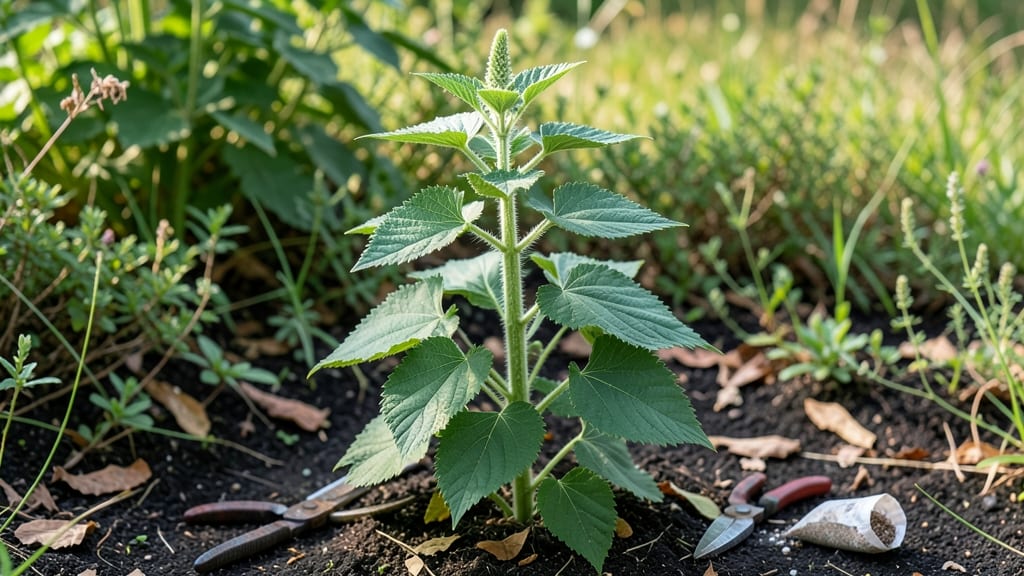
A rash after gardening usually stems from plant sap, insect bites, or chemical irritants in soil and fertilizers. Cleanse the affected area with soap and water right away, apply hydrocortisone cream, and steer clear of the irritant until symptoms fade.
A gardening rash often appears within hours of exposure, thanks to compounds like urushiol in poison ivy or citrus oils in certain plants. 🌿 The skin's reaction can range from mild redness to severe blisters, depending on sensitivity.
I've seen gardeners mistake these reactions for bug bites—common culprits include aphids or even soil bacteria that thrive in damp conditions. Understanding the trigger is half the battle, since avoidance is the simplest prevention.
If you're dealing with a spreading rash or blisters, it's time to see a doctor—these could signal a more serious allergic response. For mild cases, over-the-counter antihistamines or calamine lotion can provide relief, while protective gear like gloves and long sleeves keeps future flare-ups at bay.
Always rinse your skin thoroughly after handling plants or chemicals, as lingering residue can worsen symptoms.
💡 In This Article
- Common Gardening Triggers for Skin Rashes
- Fast Home Remedies for Gardening Rashes
Common gardening triggers for skin rashes
Here's what's actually happening when your skin reacts after gardening: urushiol, the oil found in poison ivy, oak, and sumac, triggers an immune response in about 60-75% of people. This compound binds to skin proteins within minutes, creating an allergic reaction that can take 24-72 hours to manifest.
The rash appears because your immune system overreacts, releasing histamines that cause redness, swelling, and itching. Even touching contaminated tools or pets can transfer the oil—it's invisible but potent.
The problem isn't limited to toxic plants. Citrus oils in lemon verbena or even the oils from citrus peels can irritate sensitive skin, especially when combined with sweat. Meanwhile, aphids and spider mites inject saliva containing proteins that act as allergens—some gardeners develop reactions within 15-30 minutes of exposure.
Soil itself can be a culprit: fertilizers like urea or pesticides containing parathion (a neurotoxin) can cause contact dermatitis in susceptible individuals, with symptoms appearing 4-48 hours after contact.
What most people don't realize is how soil bacteria play a role. Pathogens like Pseudomonas aeruginosa thrive in damp soil and can infect minor scratches, leading to secondary infections that worsen rashes. The bacteria produce toxins that trigger inflammation, making the area feel hot and swollen.
This is why gardeners with existing eczema or cuts are at higher risk—their skin barrier is already compromised, allowing irritants to penetrate deeper.
The science behind these reactions involves T-cells, the immune system's soldiers that mistakenly attack harmless substances. When urushiol binds to skin proteins, it forms a complex that T-cells recognize as a threat, launching an inflammatory response.
This is why some people develop blisters while others get mild redness—the intensity depends on your immune system's sensitivity. Interestingly, repeated exposure can sometimes lead to tolerance, though this is rare and takes years to develop.
Consider these key triggers in your garden:
- Plant oils: Urushiol in poison ivy remains active for years on surfaces and tools
- Insect bites: Aphids and mites inject allergens through their mouthparts
- Chemical irritants: Fertilizers like urea can cause burns at concentrations over 0.5%
- Soil pathogens: Bacteria thrive in moist soil, increasing infection risk for broken skin
One fascinating detail: the rash from poison ivy doesn't spread from scratching—it's your immune system's delayed response to oil already on your skin. However, scratching can worsen inflammation and increase infection risk.
The itching occurs because nerves release substance P, a neurotransmitter that signals pain and itch sensations to your brain. 💫