
Pests
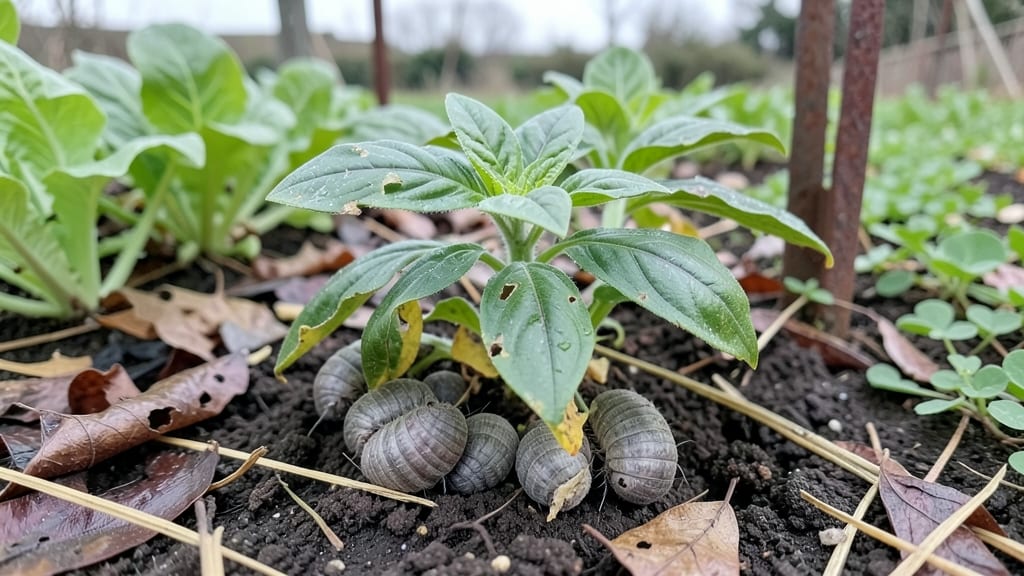
My garden’s rolly poly infestation turned from harmless to overwhelming when I started noticing them piling up under pots and mulch like tiny gray marbles. 🌿 These little guys—pill bugs—are actually soil helpers, but when they take over, they chew up seedlings and leave behind a telltale slime trail.
The key isn’t eradicating them but redirecting their habits so they don’t become pests.
Here’s the deal: rolly polys thrive in damp, shady spots with lots of decaying matter. My solution? I built a simple crunchy barrier around vulnerable plants using coarse sand or crushed eggshells—just enough to deter them from crawling in.
For heavy infestations, I also added a few diatomaceous earth sprinkles (food-grade only) around the base of pots, which dries them out without harming plants.
You’ll see results within a week: fewer little gray balls under your pots, healthier seedlings, and a balanced ecosystem where rolly polys still do their soil-improving work—just not in your prized lettuce. The best part? This method keeps working season after season with minimal effort.
Works for container gardens, raised beds, and in-ground plots alike. The secret is giving them somewhere else to hang out—like a dedicated mulch pile far from your veggies. Let’s get those borders in place before they move in for good.
Root Causes of Roly Poly Surges
Roly polys—those armored, pill bug-like critters—may seem harmless, but when they invade your garden in droves, they can munch through seedlings, decompose mulch, and leave behind a trail of slime.
Understanding why they show up in the first place is the key to stopping them before they become a full-blown infestation. Here’s a breakdown of the science behind their unwelcome visits.
🌧️ Moisture overload in soil
Roly polys (also called pill bugs or woodlice) are terrestrial crustaceans that thrive in damp environments. Their exoskeletons are highly sensitive to dehydration, so they seek out areas with:
- High humidity: Ideal conditions are 70–90% humidity, which is common in shaded, mulch-heavy, or poorly drained garden beds.
- Waterlogged soil: Overwatering, leaky irrigation systems, or heavy rainfall create perfect breeding grounds. Even a thin layer of standing water can attract them.
- Decaying organic matter: Compost piles, rotting leaves, and damp woodpiles provide both shelter and food, encouraging clusters of roly polys.
Actionable fix: Improve drainage with sand or gravel, space plants to allow airflow, and avoid watering at night when moisture lingers.
🍂 Overabundant organic debris
Roly polys are detritivores, meaning they feast on decomposing plant material. If your garden is a buffet of:
- Leaf litter
- Grass clippings
- Fallen fruits or veggies
- Mulch piles
They’ll roll in en masse. Their population explodes when food sources are plentiful because:
- Faster reproduction: Females can lay up to 100 eggs at a time, and damp conditions speed up hatching.
- Less competition: With no predators (like birds or frogs) in dense mulch, they multiply unchecked.
Actionable fix: Rake up excess debris, limit mulch depth to 2–3 inches, and compost in a contained bin with a tight lid.
🏡 Shelter-seeking behavior
Roly polys aren’t just picky eaters—they’re master hiders. They squeeze into:
- Cracks in paving stones or walkways
- Undersides of pots and garden tools
- Hollow logs, bricks, or dense ground cover
- Even your garage or shed if they migrate indoors during dry spells
Why? Their soft bodies cannot retain moisture when exposed, so they seek microclimates where humidity stays high. If your garden has:
- Rock borders or stone pathways
- Thick ground cover (like ivy or creeping charlie)
- Piles of firewood or cardboard
You’ve essentially built them a five-star hotel.
Actionable fix: Seal gaps in hardscapes, store firewood off the ground, and avoid planting dense ground covers near veggie beds.
🌱 Poor garden hygiene
Neglected gardens with weeds, dead plants, or unharvested crops become roly poly magnets. Here’s why:
- Weeds = hidden moisture traps: Dense weed growth retains humidity and provides shelter.
- Rotten produce = protein-rich feasts: Overripe tomatoes or squash attract them like a steakhouse buffet.
- No natural predators: Tidy gardens disrupt the balance of beneficial insects (like spiders or centipedes) that keep roly poly numbers in check.
Actionable fix: Pull weeds regularly, harvest crops promptly, and encourage predator-friendly plants like marigolds or basil.
Pro tip: 🔍 Spot-check your garden at dusk—roly polys are most active when humidity peaks. If you see clusters under boards or rocks, it’s a sign they’ve already claimed territory.
Practical Ways to Outsmart Garden Pests
Roly polys—those squishy, armor-clad critters—may seem harmless, but their presence can signal a damp, decaying environment that also attracts slugs, snails, and fungi. The good news? With the right strategies, you can turn the tide and reclaim your garden.
Below, we’ve mapped out cause-specific solutions to tackle the root of the problem, plus preventive tips to keep your garden thriving.
🌧️ Too Much Moisture? Dry It Out
Roly polys love damp, shaded spots. If your garden is soggy, they’ll stick around—and so will their slimy friends. Here’s how to reduce humidity and make your space less inviting:
- 🔥 Improve Drainage
- Raise garden beds slightly or add a layer of gravel or sand beneath potted plants.
- Use perforated pots to prevent waterlogging.
- 🍳 Mulch Smartly
- Swap thick organic mulch (like wood chips) for gravel, straw, or pine needles, which allow moisture to evaporate.
- Keep mulch 2–3 inches away from plant stems to discourage pests.
- 👨🍳 Redirect Water
- Water early in the morning so soil dries by evening.
- Use a soaker hose to deliver water directly to roots, avoiding leaf wetness.
💡 Pro Tip: Install a dehumidifier or small fan in shaded garden nooks to keep the air moving.
🍂 Decaying Organic Matter? Clean Up
Leaf litter, rotting wood, and compost piles are roly poly buffets. Break the cycle with these low-effort fixes:
- 🔪 Remove Debris Regularly
- Rake up fallen leaves, dead plants, and weeds weekly.
- Store firewood elevated and covered to avoid creating pest hideouts.
- 🌡️ Adjust Compost Practices
- Turn compost frequently to speed up decomposition and reduce moisture.
- Add dry materials like cardboard or shredded paper to balance greens.
- ✨ Use Copper Barriers
- Place copper tape around garden beds—roly polys (and slugs) hate the electric shock it creates.
💡 Pro Tip: If you must keep a compost bin, opt for a closed, aerated model to limit pest access.
🌿 Shady or Dense Planting? Brighten It Up
Roly polys thrive in dark, humid corners. Open up your garden to deter them naturally:
- 🌞 Increase Sunlight
- Prune overgrown plants to allow sunlight to reach the soil.
- Plant sun-loving herbs like rosemary or lavender, which dry out quickly.
- 🎯 Space Plants Strategically
- Avoid tightly packed foliage—aim for 3–4 feet between plants to improve airflow.
- Use upright plants (like sunflowers or tall grasses) to create wind tunnels that dry soil faster.
- 🌡️ Add Heat-Loving Plants
- Incorporate drought-tolerant plants like succulents or sedum, which thrive in drier conditions.
💡 Pro Tip: A simple DIY solution: Scatter crushed eggshells or diatomaceous earth around plants—both create a physical barrier that roly polys avoid.
🛡️ Chemical-Free Repellents to Try
If prevention isn’t enough, these natural deterrents can help without harming your plants (or the planet):
| Repellent | How to Use | Why It Works |
|---|---|---|
| Coffee Grounds | Sprinkle fresh grounds around plants or mix into soil. | Caffeine disrupts their slime trails and dries them out. |
| Garlic or Chili Spray | Blend garlic/chili with water, strain, and spray on leaves/soil. | The strong scent masks their hiding spots. |
| Beer Traps | Fill shallow dishes with beer; roly polys crawl in and drown. | They’re attracted to the yeast but can’t escape. |
| Diatomaceous Earth | Dust lightly around plants (reapply after rain). | Microscopic particles dehydrate their exoskeletons. |
⚠️ Caution: Avoid rock salt—it can damage plant roots and harm beneficial insects.
By addressing moisture, debris, and shade, you’ll make your garden less hospitable for roly polys while keeping it healthy and pest-free. Start with one or two strategies, monitor progress, and adjust as needed. Your garden will thank you—and so will your sanity!
Frequently asked questions
Are rolly polys actually harmful to my garden?
Rolly polys (pill bugs) are generally beneficial—they break down organic matter and improve soil health! However, when their population explodes, they can chew seedlings, create slime trails, and make mulch soggy. The goal isn’t to eliminate them but to redirect their habits so they don’t become pests.
Why do rolly polys suddenly appear in large numbers?
They thrive in damp, shaded spots with decaying matter. Overwatering, thick mulch, or poor drainage creates the perfect breeding ground. If your garden has standing water or piles of leaves, they’ll move in en masse. Fixing moisture issues and cleaning up debris often reduces their numbers quickly.
Is diatomaceous earth safe to use around plants?
Yes, but only use food-grade diatomaceous earth. It dehydrates rolly polys by damaging their exoskeletons without harming plants. Apply lightly around garden edges and reapply after rain—just avoid direct contact with plant leaves to prevent dust irritation.
Can I use beer to trap rolly polys?
Fill shallow dishes with beer—roly polys are attracted to the yeast and drown. Place traps near problem areas at dusk when they’re most active. This method is harmless to plants and other wildlife.
How do I prevent rolly polys from returning next season?
Focus on drainage, airflow, and cleanliness. Raise garden beds, space plants for sunlight, and keep mulch thin. Plant drought-resistant herbs like rosemary to dry out soil naturally. A little maintenance goes a long way!