
Tools
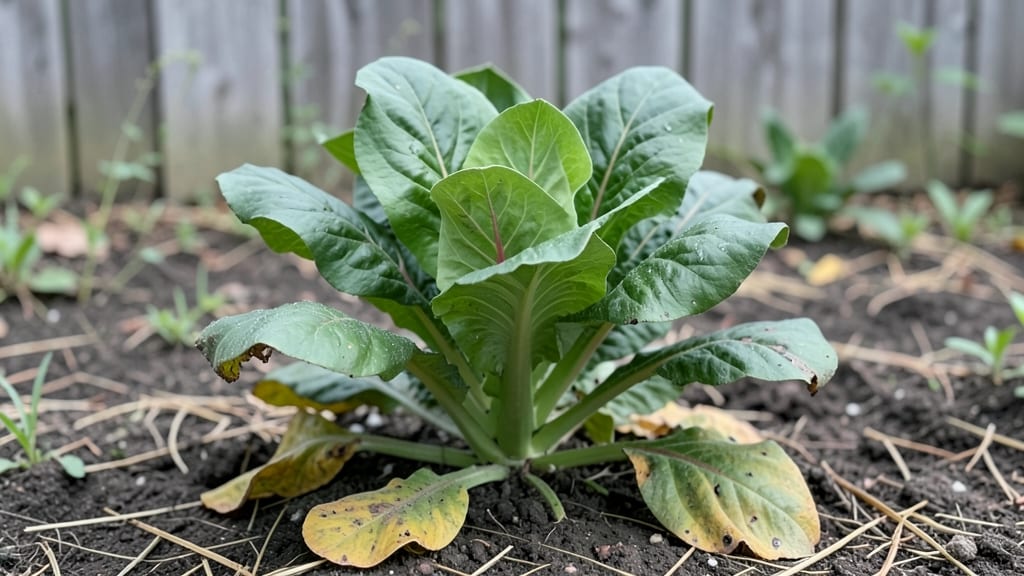
Your crisp romaine lettuce garden starts with the right timing and a few simple tricks. I’ve grown enough romaine to know that 60 days of steady care—not luck—delivers heads so tight they practically stand up on their own.
The secret isn’t fancy equipment; it’s matching the lettuce’s needs to your space, whether that’s a 4-foot-wide bed or a sunny windowsill.
You’ll need well-draining soil mixed with compost, consistent moisture (about 1 inch per week), and 4-6 hours of morning sun—afternoon shade keeps leaves crisp. Plant seeds ¼ inch deep, 12 inches apart, or transplants spaced the same way.
Bolt-resistant varieties like ‘Parris Island Cos’ or ‘Black Seeded Simpson’ handle heat better than flimsy supermarket lettuce, and they’ll forgive a few beginner mistakes.
By day 45, you’ll be harvesting outer leaves to encourage regrowth, and the full heads will be ready by day 60. The texture stays firm, the flavor sharp, and you’ll avoid the bitter, loose-leaf disappointment that ruins store-bought salads.
Even in small spaces, this method delivers 10-15 heads per square foot—enough for sandwiches, wraps, and sharing with neighbors who’ll ask how you do it.
Works in spring, fall, or even winter under row covers. The only real enemy is heat over 80°F, but shade cloth or afternoon watering keeps plants happy until harvest. Let’s get those seeds in the ground—or pots on the sill—so you’re eating homegrown romaine before summer even starts.
📚 In This Guide
- What you need
- Instructions
- Tips and common mistakes
- Wrapping up and next steps
What you need
- ● Seeds: Romaine lettuce seeds (choose a fast-maturing variety like 'Black Seeded Simpson' or 'Parris Island'). Quantity: 20–50 seeds (or 1–2 seed packets).
- ● Growing Containers: Deep pots (6–12 inches deep) or raised beds.
- ○ Self-watering planters (optional but helpful for consistency).
- ● Quantity: 1–2 containers per 10 plants (romaine thrives in slightly crowded conditions!).
- ● Potting Mix: High-quality, well-draining seed-starting mix or organic potting soil (avoid garden soil—it’s too dense!). Quantity: 1–2 bags (5–10 cubic feet).
- ● Fertilizer: Balanced liquid fertilizer (e.g., 10-10-10 or fish emulsion).
- ○ Slow-release granules (optional, like 5-10-5).
- ● Watering Supplies: Watering can with a rose nozzle (for gentle watering).
- ● Spray bottle (for seedlings).
- ● Garden Tools: Hand trowel (for transplanting seedlings).
- ● Pruning shears (for harvesting).
- ● Sunlight: 4–6 hours of direct sunlight daily (partial shade in hot climates).
- ● Temperature: Ideal germination: 60–70°F. Avoid frost (romaine is cold-hardy but not frost-tolerant).
- ○ Optional (But Helpful!): Mulch (straw or shredded leaves) to retain moisture.
- ● Shade cloth (30–50%) for hot afternoons.
- ● Garden twine or stakes (for tall varieties).
- ● pH test kit (ideal soil pH: 6.0–7.0).
Step-by-Step instructions for growing a thriving romaine lettuce garden
Here’s how to cultivate crisp, homegrown romaine in just 60 days—even in tight spaces.
Prepare the Planting Site for Optimal Growth
Choose a location with partial shade during the hottest afternoon hours, as romaine bolts (goes to seed) in temperatures above 80°F. If you’re planting in containers, select 12-inch deep pots with drainage holes to prevent root rot. Work in 2-3 inches of compost mixed into the top 6 inches of soil—this ensures your plants have the nutrients they need without competing with weeds.
Romaine thrives in loose, well-draining soil with a pH between 6.0 and 7.0. If your soil is heavy clay, amend it with 1 part perlite to 3 parts soil to improve aeration. Avoid fresh manure, which can burn tender lettuce roots. Test your soil’s moisture level by pressing your finger 1 inch deep—it should feel slightly damp but not soggy.
Sow Seeds at the Right Depth and Spacing
Plant seeds ¼ inch deep, spacing them 12 inches apart in rows 18 inches apart for in-ground gardens. If using containers, sow 2-3 seeds per pot to ensure at least one strong plant emerges. Thin seedlings to the strongest one per spot once they reach 2 inches tall, using clean scissors to avoid disturbing roots. The reason for thinning? Crowded lettuce develops weak stems and attracts pests.
Keep the soil consistently moist but never waterlogged—daily misting in dry climates prevents seeds from drying out before germination. Cover the bed with 1 inch of straw mulch to retain moisture and suppress weeds. Germination typically occurs in 7-10 days at 60-70°F, but watch for tiny green sprouts breaking the soil surface before relying on a timeline.
Maintain Consistent Moisture and Light Conditions
Water deeply once every 2-3 days, aiming for 1 inch of water per week, but adjust based on rainfall. Lettuce roots are shallow, so watering at the base—not overhead—prevents fungal diseases like downy mildew. Use a drip irrigation system or soaker hose to deliver water slowly and evenly, avoiding wet foliage. In containers, check soil moisture daily—top inch dry signals it’s time to water.
Provide 4-6 hours of morning sun and afternoon shade, especially in summer. If growing indoors near a window, rotate pots quarter-turn weekly to prevent leaning. Yellowing leaves indicate either too much sun (burn) or nutrient deficiency—apply a balanced liquid fertilizer (10-10-10) at half-strength every 3 weeks once seedlings are established.
Monitor for Pests and Harvest at Peak Crispness
Inspect plants weekly for aphids, slugs, or flea beetles, which chew leaves into lace-like patterns. Handpick aphids or spray with neem oil solution (1 tbsp neem oil + 1 quart water) in the evening to avoid harming beneficial insects. For slugs, set beer traps (bury a shallow dish filled with beer) near the garden edges—slugs drown overnight.
Harvest outer leaves when they reach 4-5 inches tall, cutting just above the soil line with clean shears. This encourages bolting-resistant regrowth and extends the harvest window by 2-3 weeks. For full heads, harvest when the inner leaves form a compact, crisp rosette—typically 50-60 days after sowing. Store harvested lettuce in a plastic bag with a paper towel in the fridge for up to 10 days to maintain crispness.
Tips & tricks for perfect romaine lettuce growth
Growing crisp romaine lettuce in just 60 days requires attention to detail—here are the game-changing tips that'll help you avoid common pitfalls and maximize your harvest.
Soil Preparation is Everything: The 60-day timeline hinges on proper soil preparation from the start. In Step 1, when you're mixing in 2-3 inches of compost, consider adding a handful of worm castings to the top 6 inches of soil—this boosts microbial activity and gives your romaine an immediate nutrient boost. If your soil tests below pH 6.0, sprinkle dolomitic lime (following package instructions) and mix it in thoroughly before planting. I've found that romaine grown in soil with this pH range develops more robust stems and resists bolting better, especially when afternoon temperatures approach 80°F.
Germination Timing Secrets: While the instructions mention germination typically occurs in 7-10 days at 60-70°F, I've discovered that consistent soil moisture at the 1-inch depth is more critical than temperature alone. In Step 2, after sowing seeds ¼ inch deep, create a mini greenhouse effect by covering the bed with clear plastic wrap for the first 3 days—this traps moisture and can speed germination by 2-3 days. Just remove the plastic once you see those tiny green sprouts breaking through. Remember to maintain that daily misting in dry climates, as seeds can dry out before they've even sprouted.
Watering Strategy for Shallow Roots: The shallow root system of romaine makes proper watering in Step 3 absolutely critical. Instead of the standard 1 inch per week, I recommend aiming for 1.5 inches during the hottest months, delivered through your drip irrigation system. The key is to water deeply but infrequently—this encourages roots to grow deeper in search of moisture. I've noticed that plants watered this way develop more robust root systems that can better withstand temperature fluctuations, including those critical afternoon heat spikes above 80°F.
Pest Prevention Beyond Beer Traps: While the instructions provide excellent pest control methods, I've found that adding a layer of diatomaceous earth around the base of each plant in Step 4 creates an additional barrier against slugs and flea beetles. The microscopic particles dehydrate soft-bodied pests while being completely harmless to your lettuce. For aphids, I've had success with a simple homemade spray of 1 tablespoon of mild liquid dish soap mixed with 1 quart of water—this disrupts their feeding patterns without the need for chemical interventions.
Pro Tips for Romaine Lettuce Garden
- Growing crisp romaine lettuce in just 60 days requires attention to detail—here are the game-changing tips that'll help you avoid common pitfalls and maximize your harvest.
- Soil Preparation is Everything: The 60-day timeline hinges on proper soil preparation from the start.
- Germination Timing Secrets: While the instructions mention germination typically occurs in 7-10 days at 60-70°F, I've discovered that consistent soil moisture at the 1-inch depth is more critical than temperature alone.
Frequently asked questions
Got questions about growing your own romaine lettuce garden? You’re not alone—here are some of the most common ones to help you grow crisp, homegrown heads with confidence!
How long does romaine lettuce take to grow from seed?
Romaine lettuce typically matures in 60–70 days from seed, depending on the variety and growing conditions. For faster results, start with transplants (ready in 30–45 days). Plant seeds ¼ inch deep and keep soil moist for optimal germination in 7–14 days.
Can romaine lettuce grow in hot weather?
Romaine thrives in cool seasons (50–70°F), but it can bolt (go to seed) in heat. To beat the heat:
- Use shade cloth (30–50%) during peak sun.
- Plant in early spring or fall for ideal temps.
- Choose heat-tolerant varieties like ‘Black Seeded Simpson’ or ‘Parris Island.’
What’s the best container size for growing romaine?
A minimum of 6–12 inches deep is ideal for romaine—shallower containers may stunt root growth. Use:
- 5–6 gallon grow bags (for 2–3 plants).
- Window boxes or raised beds (12+ inches deep).
- Large fabric pots (with drainage holes).
How do I keep pests away from my romaine lettuce?
Common pests like aphids, slugs, and deer can wreak havoc. Try these organic fixes:
- Handpick slugs at night (use beer traps!).
- Spray neem oil or insecticidal soap for aphids.
- Use row covers to block flying pests.
- Plant companion plants like chives or marigolds nearby.
Can I grow romaine lettuce indoors?
With the right setup, romaine grows well indoors:
- Place near a south-facing window (6+ hours of light).
- Use a grow light (12–16 hours/day) if natural light is limited.
- Choose compact varieties like ‘Little Gem’ or ‘Romaine de Paris.’
- Keep humidity high with a pebble tray or misting.
Wrapping up and next steps
Growing your own romaine lettuce garden is a rewarding journey that delivers fresh, crisp greens in just 60 days—and it doesn’t require a sprawling backyard! With the right tools, a little patience, and a sunny spot, you’ll enjoy homegrown goodness that’s healthier, tastier, and more sustainable than store-bought.
Whether you’re a beginner or a seasoned gardener, this method proves that big harvests start small.
Ready to take the next step? Start by planting your first seeds this week—or share your progress with fellow gardeners for tips and inspiration. Your kitchen (and taste buds) will thank you! 🌱💚