Size
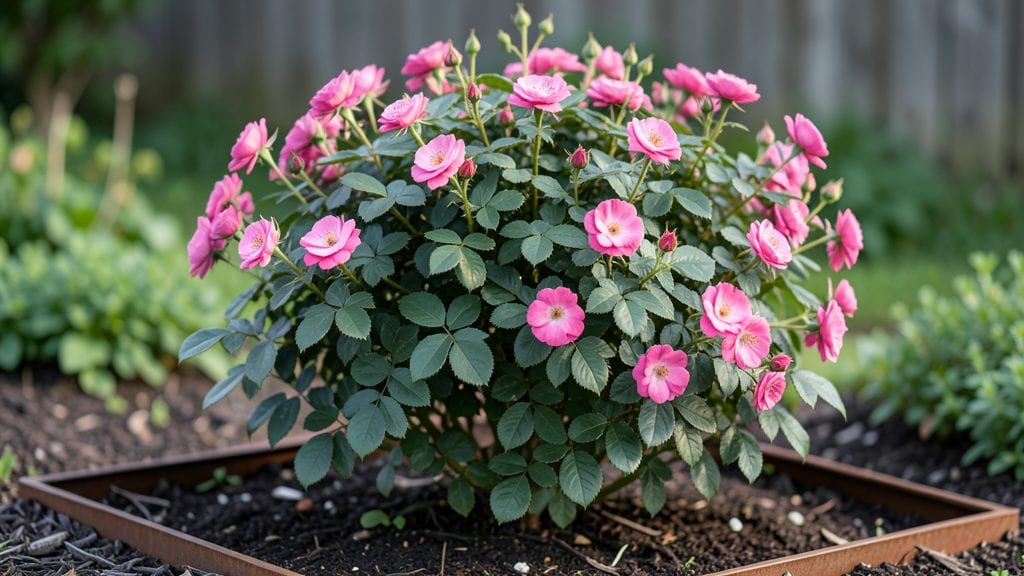
Growing roses from bare-root plants transforms your garden into a fragrant paradise—whether in containers or garden beds. 🌹 I’ve watched my own roses go from spindly sticks to lush, blooming bushes, and the secret isn’t complicated: it’s about sunlight, soil, and a little patience.
The right variety makes all the difference, too—some thrive in pots while others demand deep garden soil.
Start with healthy bare-root plants in early spring, when the soil warms to 50°F. Amend your soil with compost for drainage, and choose a spot with at least 6 hours of sunlight daily.
Containers need drainage holes, while garden beds benefit from a mound of soil to prevent rot. Water deeply after planting, then keep the soil moist but not soggy—overwatering is the fastest way to kill new roses.
By midsummer, you’ll see strong new growth, and with regular pruning, your roses will reward you with vibrant blooms all season. The key is timing: prune in late winter to shape the plant, then deadhead spent flowers to encourage more blooms.
Fertilize every 6 weeks with a balanced rose food, and watch your garden become the envy of the neighborhood.
Works for both beginners and seasoned gardeners—just adjust the variety and care based on your space. Whether you’re filling a patio pot or planting a border, these steps guarantee stunning results. Let’s get those roses growing!
📚 In This Guide
- What you need
- Instructions
- Tips and common mistakes
- Wrapping up and next steps
What you need
- ● Rose plants: 1–3 healthy bare-root or potted roses (choose disease-resistant varieties like Knock Out® or David Austin English Roses for beginners).
- ● Well-draining soil: 5–10 bags (2–3 cubic feet each) of a mix like 50% garden soil + 50% compost (add perlite or sand for sandy soil).
- ● Organic fertilizer: 1 bag of balanced rose-specific fertilizer (e.g., 10-10-10 or 5-10-5) or composted manure.
- ● Mulch: 2–3 bags of wood chips or straw to retain moisture and suppress weeds.
- ● Garden trowel or spade (for digging holes).
- ● Pruning shears (sterilized with rubbing alcohol).
- ● Gloves (to protect from thorns and soil).
- ● Watering can or hose with a gentle nozzle (roses hate soggy roots!).
- ● Measuring tape or ruler (to space plants 18–36 inches apart).
- ● Container: 1–2 large pots (10–15 gallons) with drainage holes if growing in containers.
- ● Epsom salt (1 tbsp/month) for magnesium boosts.
- ● Rose food spikes (slow-release nutrients).
- ● Pest control: Neem oil or insecticidal soap for aphids.
- ● Stakes or cages (to support climbing varieties).
Step-by-Step guide to planting roses in containers or garden beds
Here's my foolproof method for getting roses thriving whether you're planting in pots or garden beds.
🌱 Step 1: Choose and Prepare the Perfect Planting Site
Roses need 6-8 hours of direct sun daily—no exceptions. In containers, place them where they'll get morning sun and afternoon shade in hot climates. For garden beds, select a spot with well-draining soil; roses hate soggy roots. If your soil is heavy clay, mix in 2-3 inches of compost to improve drainage.
Dig a hole twice as wide as the root ball but only as deep as the container's root system. This prevents burying the graft union (the swollen area near the base) too deep, which can cause disease. Gently loosen the roots if they're circling in the pot before placing the plant in the hole.
💧 Step 2: Plant Roses at the Right Depth and Water Thoroughly
Position the rose so the graft union sits 1-2 inches above soil level. Backfill with native soil mixed with compost or aged manure to encourage root growth. Press gently around the base to remove air pockets, but don't compact the soil. Water immediately after planting to settle everything and eliminate air gaps.
Give each rose 1-2 gallons of water right after planting—this helps roots establish quickly. You'll know it's enough when water runs out the drainage holes (for containers) or seeps into the surrounding soil (for garden beds). Mulch with 2-3 inches of organic mulch to retain moisture and protect roots from temperature swings.
☀️ Step 3: Provide Consistent Care for Strong, Healthy Growth
Roses need regular watering—about 1 inch per week, more in extreme heat. Water at the base, avoiding leaves to prevent fungal diseases like black spot. In containers, check soil moisture daily; pots dry out faster than garden beds. You'll see wilting leaves as a sign it's time to water again.
Fertilize roses every 4-6 weeks during the growing season with a balanced rose fertilizer. I use a slow-release granular formula for containers and a liquid feed for garden beds. Prune dead or diseased stems immediately to keep the plant healthy and encourage new growth. Wait until spring to do major pruning—cut back 1/3 of the plant's height to shape it and remove crossing branches.
✂️ Step 4: Deadhead and Maintain for Continuous Blooms
Deadheading—removing spent blooms—keeps roses producing flowers all season. Pinch off flowers just above a set of healthy leaves or a bud. This redirection of energy encourages more blooms instead of seed production. I do this every 2-3 days during peak bloom time to keep the plant looking tidy and flowering heavily.
Watch for pests like aphids or Japanese beetles. A strong spray of water usually removes aphids, while beetles can be handpicked in the early morning when they're sluggish. For fungal issues, apply a fungicide preventatively in humid climates. Regularly inspect leaves and stems to catch problems early before they spread.
Tips & tricks for perfect rose plant growth
Here's what I've learned after years of growing roses—these small details make all the difference between healthy plants and struggling ones.
Sunlight Strategy: The 6-8 hours of direct sun in Step 1 is non-negotiable, but here's the trick: in hot climates, I move container roses to get morning sun and afternoon shade. This prevents leaf scorch while still giving them enough light. If you notice leaves turning yellow or crispy, they're getting too much direct afternoon heat.
Root System Rescue: In Step 1, if you notice roots circling in the pot, don't just chop them off—gently tease them apart with your fingers. This encourages outward growth rather than creating a root-bound mess. For garden beds, if your soil is rocky, add some perlite to improve drainage without compromising the 2-3 inches of compost we're mixing in.
Watering Wisdom: The 1-2 gallons right after planting in Step 2 is crucial, but don't stop there. I use a moisture meter in containers to check daily—when it reads dry, that's when I water. For garden beds, stick your finger 1-2 inches into the soil; if it's dry, it's time to water. This prevents both underwatering and waterlogged roots that cause disease.
Fertilizer Timing: The 4-6 week fertilization schedule in Step 3 works perfectly, but here's my secret: I fertilize right after pruning in spring. This gives the plant a nutrient boost as it starts new growth. For containers, I mix half the recommended dose into the soil at planting time, then follow the 4-6 week schedule. This gradual feeding prevents root burn.
Pro Tips for Rose Plant Grow A Garden
- Here's what I've learned after years of growing roses—these small details make all the difference between healthy plants and struggling ones.
- Sunlight Strategy: The 6-8 hours of direct sun in Step 1 is non-negotiable, but here's the trick: in hot climates, I move container roses to get morning sun and afternoon shade.
- Root System Rescue: In Step 1, if you notice roots circling in the pot, don't just chop them off—gently tease them apart with your fingers.
Frequently asked questions
Got questions about growing roses?
Here are answers to the most common ones—from pruning to pests and everything in between.
When is the best time to plant roses?
The ideal time to plant roses is in early spring (after the last frost) or fall (4-6 weeks before the first frost). This gives roots time to establish before extreme temperatures. Bare-root roses can also be planted in late winter if kept cool and moist.
Can I grow roses in containers?
Many rose varieties thrive in containers, including miniature, patio, and climbing roses. Use a well-draining potting mix, a pot at least 12 inches deep, and ensure it has drainage holes. Containers warm up faster, so monitor soil moisture closely in hot weather.
How do I prune roses for healthy growth?
Prune roses in late winter or early spring to remove dead, diseased, or crossing branches. Cut back to an outward-facing bud, leaving about ¼ inch above it. For climbing roses, prune lightly to encourage long, strong canes. Sterilize tools with rubbing alcohol between cuts to prevent disease.
What are the most common rose pests, and how do I treat them?
Roses often face aphids, spider mites, or Japanese beetles. For mild infestations, spray with a soapy water solution (1 tsp mild soap per quart of water). For severe issues, use neem oil or insecticidal soap. Encourage beneficial insects like ladybugs to keep pests in check naturally.
How much sunlight do roses need?
Most roses require 6-8 hours of direct sunlight daily for optimal blooming. Hybrid teas and floribundas thrive with full sun, while some climbers or shrub roses tolerate partial shade (4-6 hours). Too little light can lead to fewer blooms and leggy growth.
How often should I water my roses?
Water roses deeply 1-2 times per week, aiming for 1-1.5 inches of water. Early morning is best to reduce evaporation and fungal risks. Mulch around the base (2-3 inches) to retain moisture and regulate soil temperature. Avoid overhead watering to prevent mildew.
Why aren’t my roses blooming?
Lack of blooms often stems from over-pruning, poor sunlight, or nutrient deficiencies. Ensure your roses get enough sunlight, water, and balanced fertilizer (high in phosphorus for blooms). Deadheading spent flowers can also encourage more blooms. Check for pests or diseases that may stress the plant.
Wrapping up and next steps
Growing roses—whether in containers or garden beds—is a rewarding journey that brings beauty, fragrance, and a sense of accomplishment. With the right location, soil, pruning, and care, your roses will thrive and flourish into stunning blooms.
Now that you’re armed with tips and answers to common questions, there’s no time like the present to start!
🌸 Next steps:
- Pick your favorite rose variety and shop for plants or seeds.
- Mark your calendar for seasonal tasks (like pruning or fertilizing).
- Share your progress with fellow gardeners—your blooms will inspire others!