
Companion Plants
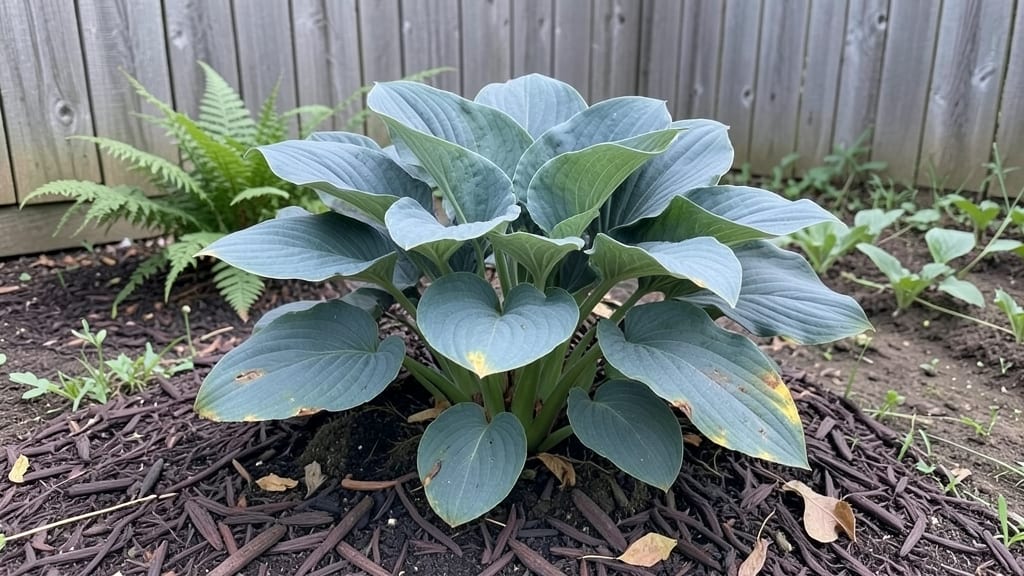
Shaded garden plants don’t mean settling for sad, scraggly foliage—my dappled-light garden proves it every summer with velvety hostas, jewel-toned astilbes, and fragrant ferns that outshine anything in full sun. 🌿 The key isn’t fighting the shade; it’s choosing plants that naturally thrive where others struggle, then layering them to create depth and texture even when sunlight is sparse.
Start with a mix of heights: tall shrubs like hydrangeas or fothergilla as backdrops, mid-height perennials such as heuchera or Japanese painted fern in the middle, and creeping ground covers like ajuga or sweet woodruff to fill gaps.
Most people overlook shade-loving annuals too—impatiens and begonias bring instant color where nothing else will. The best part? These plants demand less watering and fussing than sun-hungry varieties.
By the end of the season, you’ll have a garden that feels lush and intentional, not neglected. The hostas will unfurl broad, buttery leaves, astilbes will plume like cotton candy, and the air will hum with the quiet rustle of healthy foliage.
No more brown patches or "weeds" taking over—just a thriving, low-maintenance space that actually feels like a retreat.
Works for any shaded spot—under trees, along north-facing walls, or even in city courtyards with minimal sunlight. The same principles apply whether you’re working with deep, dark shade or just a few hours of dappled light. Let’s make that shady corner your garden’s star feature.
📚 In This Guide
- What you need
- Instructions
- Tips and common mistakes
- Wrapping up and next steps
What you need
- ● Shaded garden plants: Choose 5–10 varieties (e.g., hostas, ferns, impatiens, or astilbes) based on your light conditions (full shade, partial shade, or dappled light). Pro tip: Mix perennials and annuals for year-round color! 🌸
- ● High-quality potting soil: 2–3 bags (5 cubic feet each) of well-draining, organic soil (e.g., Miracle-Gro or FoxFarm Ocean Forest).
- ● Mulch: 1–2 bags of shredded bark or wood chips (to retain moisture and suppress weeds).
- ● Compost or slow-release fertilizer: 1–2 bags (e.g., Espoma Organic Plant Food) for nutrient-rich soil.
- ● Garden gloves: 1 pair (to protect your hands from thorns or rough soil).
- ● Hand trowel or transplant spade: 1–2 (for digging small holes or moving plants).
- ● Watering can or hose with a gentle spray nozzle: 1 (for delicate watering in shaded areas).
- ● Pruners or shears: 1 pair (for trimming dead foliage or shaping plants).
- ● Drip irrigation system: For automated watering (especially useful in consistently damp shade).
- ● Garden kneeler or pad: To protect your knees during planting.
- ● Plant markers or stakes: To label and support taller plants (e.g., ferns or cannas).
- ● Shade cloth or lattice: If your garden has pockets of too-bright light.
- ● Decorative stones or pebbles: For borders or pathways (adds a polished touch!).
Step-by-Step guide to designing a thriving shaded garden
Here’s how to create a vibrant garden where dappled light becomes your ally—not a limitation.
🌱 Step 1: Choose the Right Plants for Your Shade Level
Not all shade is equal. Identify whether your garden gets partial shade (3-6 hours of filtered light) or full shade (less than 3 hours). For partial shade, opt for hostas, ferns, or astilbes—they tolerate morning sun but appreciate afternoon relief. In full shade, heucheras, lungwort, and Japanese painted ferns thrive where others fade.
I always test a spot for a week first. Place a white piece of paper in the shadiest corner for an hour each day. If it stays mostly dark, you’re dealing with full shade. If it gets any light at all, partial shade plants will work. This ensures you’re not stuck with wilting leaves later.
🪴 Step 2: Prepare the Soil for Moisture-Loving Plants
Shade gardens need well-draining yet moisture-retentive soil. Mix the 3 bags of compost into the top 6 inches of soil to improve fertility and aeration. If your soil is heavy clay, add 2 cubic feet of perlite to prevent waterlogging. Work the amendments in gently—you don’t want to disrupt roots of existing plants.
Test moisture by squeezing a handful of soil. If it stays clumped but crumbles when touched, it’s perfect. If it’s dry and powdery, water deeply before planting. Shade plants hate dry soil, so aim for 1 inch of water per week—either from rain or your hose. A 5-gallon watering can makes this easy for small beds.
☀️ Step 3: Plant with Layered Height and Texture
Start with taller plants (like foxglove or tall ferns) at the back, then add mid-height (hostas, astilbes) in the middle, and ground covers (like sweet woodruff or creeping Jenny) at the front. This creates depth and keeps the space from feeling flat. Space plants 12-18 inches apart—closer for spreading varieties like heucheras.
Dig holes twice as wide as the root ball but only as deep. This encourages roots to spread outward instead of sitting too deep. Water each plant deeply after placing it in the hole, then firm the soil around the base. Mulch with 2 inches of shredded bark to retain moisture and suppress weeds—just keep it 2 inches away from stems to prevent rot.
💧 Step 4: Water and Mulch for Consistent Moisture
Shade plants rely on steady moisture, so water in the morning to let foliage dry before evening. Use the 5-gallon watering can to soak the soil 6 inches deep—you’ll know it’s enough when water drips from the bottom of the hole you dig nearby. Overhead watering can lead to fungal issues, so aim for the base.
Reapply 2 inches of mulch every spring to replenish what broke down over winter. This keeps roots cool and soil moist without you lifting a finger. I check mulch depth in early spring—if it’s less than 1 inch, it’s time to refresh. Avoid thick layers, though; too much mulch can smother plants.
✂️ Step 5: Prune and Maintain for Long-Term Health
Deadhead spent blooms on astilbes or foxglove in early summer to encourage more flowers. For ferns and hostas, cut back yellowed leaves in late fall to make room for new growth. I never prune more than one-third of the plant at a time—this prevents shock and keeps them lush.
Fertilize lightly in spring with a balanced 10-10-10 fertilizer (use 1 tablespoon per plant). Shade plants don’t need much, but a little boost in early growth keeps them vibrant. Watch for yellowing leaves—this often signals overwatering or poor drainage. Adjust your watering if the soil stays soggy for days.
Tips & tricks for perfect shaded garden design
A few simple strategies will help you create a thriving shaded garden that stays lush and low-maintenance all season long.
Light Testing is Key: Don't guess about shade levels—instead, use the white paper test from Step 1 for a full week. Place the paper in the shadiest spot each hour and mark when it gets any light. This simple test prevents you from planting sun-loving varieties that'll struggle. I've seen people plant impatiens in full shade only to watch them wilt within weeks—this test saves that heartbreak.
Soil Prep Secrets: When mixing in the 3 bags of compost from Step 2, work it in during a light rain or right after watering. Damp soil mixes more easily and prevents dust clouds that can irritate your lungs. For clay-heavy soil, spread the 2 cubic feet of perlite evenly before mixing—this creates pockets for drainage without overloading your soil with amendments.
Layering Like a Pro: In Step 3, think vertically when planning your layers. Taller plants like foxglove should have their stems spaced 18 inches apart to prevent crowding, while ground covers like sweet woodruff can go as close as 6 inches. I like to sketch a quick layout first—this helps visualize how the garden will look from different angles once everything's grown in.
Mulch Maintenance: The 2-inch mulch layer from Step 4 is your secret weapon, but don't let it become a chore. Refresh it in early spring when you notice it's broken down below 1 inch. Pro tip: Use a leaf rake to fluff the existing mulch before adding new—this creates air pockets that prevent soil compaction and improve water penetration.
Pro Tips for Shaded Garden Plants
- A few simple strategies will help you create a thriving shaded garden that stays lush and low-maintenance all season long.
- Light Testing is Key: Don't guess about shade levels—instead, use the white paper test from Step 1 for a full week.
- Soil Prep Secrets: When mixing in the 3 bags of compost from Step 2, work it in during a light rain or right after watering.
Frequently asked questions
Got questions about thriving plants in shady spots? You’re not alone! Here are answers to the most common queries about shaded garden plants—so you can create a lush, low-maintenance retreat without the guesswork.
What are the best fast-growing plants for shaded gardens?
If you’re eager for quick results, opt for hostas, astilbes, or bleeding hearts. These beauties thrive in dappled light and can fill gaps in just one growing season. For ground cover, creeping Jenny or foamflower spread rapidly while keeping weeds at bay.
How long does it take for shaded plants to establish?
Most shaded perennials take 1–2 years to fully establish, though some like heucheras or ferns may show steady growth within months. Patience pays off—focus on consistent watering (especially in the first year) to help roots spread deeper into the soil.
Can I grow vegetables or herbs in shaded gardens?
While full sun is ideal for most veggies, leafy greens (spinach, lettuce), radishes, and green onions tolerate partial shade. Herbs like cilantro, mint, and parsley also thrive with 3–4 hours of dappled light. Just avoid heavy feeders like tomatoes or peppers.
Do shaded plants need less water than sunny ones?
Not necessarily! Shaded soil retains moisture longer, but plants like hostas or caladiums still need 1–1.5 inches of water weekly. Check soil moisture—if the top inch feels dry, it’s time to water. Mulch (like shredded bark) helps conserve moisture and keeps roots cool.
What if my shaded plants look leggy or weak?
Leggy growth often means your plants are stretching for light. Try these fixes:
- Prune overgrown foliage to encourage bushier growth.
- Thin out nearby plants to improve air circulation and light penetration.
- Fertilize lightly with a balanced, slow-release fertilizer (like 10-10-10) in early spring.
Wrapping up and next steps
Transforming your shaded garden into a thriving, low-maintenance oasis is easier than you think! 🌿 With the right shaded garden plants, you can create a lush retreat that’s both beautiful and resilient—even in dappled light.
Whether you’re a seasoned gardener or just starting out, these hardy options bring color, texture, and life to spots where sunlight is scarce.
Ready to take the next step? Start small—pick 1-2 plants from our list, test the soil, and observe how they thrive. Before you know it, your garden will be the envy of the neighborhood! Happy planting! 🌱