
Vegetables
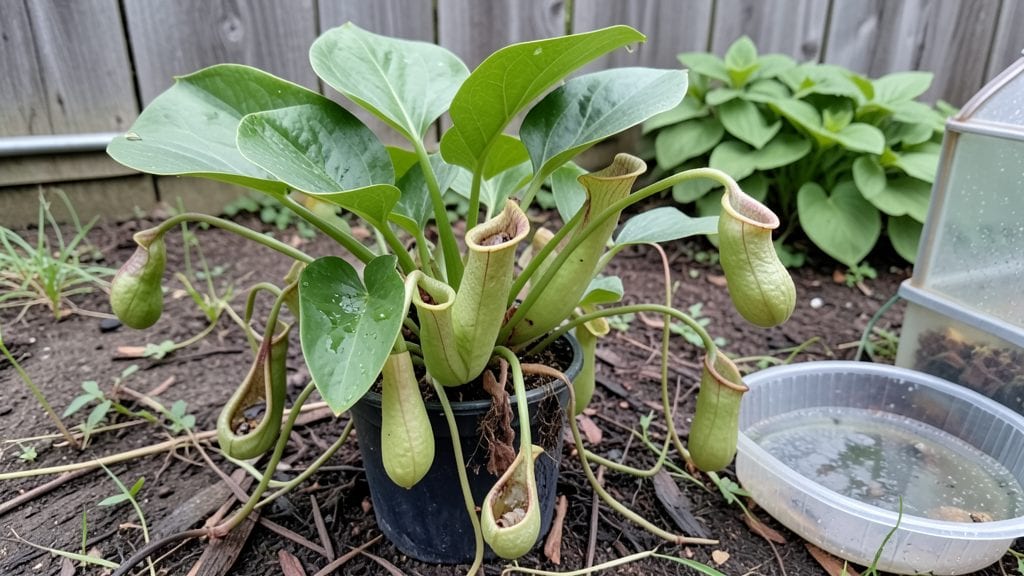
Singapore airport gardens prove that even the busiest travel hubs can grow stunning tropical beauty year-round. ✨ I’ve walked through Changi’s lush canopy walkways and marveled at how they turn concrete into a jungle—without needing acres of space.
The secret lies in layering plants that thrive in humidity, shade, and tight layouts, proving that urban gardening doesn’t require a backyard.
What makes these gardens so inspiring is their mix of low-maintenance tropicals and smart design tricks. Palms, ferns, and flowering shrubs create dappled shade, while water features add movement without extra work.
The key? Grouping plants by water needs and using mulch to keep roots cool—exactly the kind of practicality that translates to home gardens, even in small spaces.
You’ll leave feeling like you’ve unlocked a foolproof formula for vibrant, low-effort greenery. The same principles—layering textures, choosing shade-tolerant plants, and using water features for ambiance—can transform any balcony or courtyard into a mini tropical retreat. Let’s break down how to steal their magic for your own space.
Perfect for city dwellers, apartment gardeners, or anyone craving a jungle vibe without the upkeep. Here’s how to adapt these airport-inspired ideas to your own growing conditions—no passport required.
📚 In This Guide
- What you need
- Instructions
- Tips and common mistakes
- Wrapping up and next steps
What you need
- ● Tropical Plants (Year-Round Varieties): 10+ Heliconia (for bold, bird-friendly blooms)
- ● 15+ Monstera deliciosa (dramatic foliage for height)
- ● 20+ Bird of Paradise (Strelitzia reginae, for iconic tropical vibes)
- ● 30+ Ferns (e.g., Nephrolepis exaltata, for lush texture)
- ● 5+ Bromeliads (e.g., Aechmea or Vriesea, for low-maintenance color)
- ● Soil & Mulch: 50 lbs well-draining potting mix (e.g., 60% peat moss, 20% perlite, 20% coconut coir)
- ● 30 lbs organic mulch (e.g., bark chips or pine straw)
- ● Structural Elements: 10+ galvanized metal trellises (6 ft tall, for climbing plants like Philodendron)
- ● 5+ wooden or resin planters (weather-resistant, 18"–24" deep)
- ● 100+ coconut fiber coir pots (for air-pruning roots)
- ● Hand Tools: 1 pruning shears (bypass type, for clean cuts)
- ● 1 trowel (stainless steel, 8" blade)
- ● 1 garden gloves (nitrile-coated for durability)
- ● Watering & Maintenance: 1 hose with adjustable nozzle (for gentle watering)
- ○ 5+ self-watering planters (optional, for high-traffic areas)
- ● Safety & Extras: 1 wheelbarrow (for transporting soil/plants)
- ● 1 sprayer bottle (for misting tropical leaves)
- ● Location: Partial shade to full sun (6+ hours/day for most tropicals)
- ● Proximity to a water source (or portable irrigation system)
- ● Permits (if applicable): Check with Changi Airport authorities for public space gardening rules.
- ● Climate Notes: Singapore’s humidity (70–90%) is ideal—just ensure no wind exposure for delicate blooms.
- ● Solar-powered LED path lights (for evening ambiance)
- ● Bird feeders (to attract pollinators like sunbirds 🐦)
- ● Drip irrigation system (for hands-off watering)
- ● Local orchids (e.g., Dendrobium) for vertical interest
How to design a lush canopy walkway for year-round tropical beauty
Transform any space into a vibrant, shaded retreat with this layered approach to tropical plant selection and arrangement.
🌿 Step 1: Select Multi-Layered Plant Species
Choose plants that create a natural canopy effect with varying heights and textures. Start with towering palms like the Kentia or Areca to establish your upper layer—these reach 10-15 feet and provide the signature tropical shade. Underneath, incorporate broadleaf plants such as Monstera deliciosa or Ficus elastica for mid-level coverage, ensuring their leaves span 2-4 feet wide to fill gaps.
For the understory, mix ground covers like Fittonia or Peperomia to soften the walkway edges. These should be spaced 12-18 inches apart to prevent bare soil while allowing foot traffic. I always include climbing vines like Philodendron hederaceum to train along trellises or existing structures—this adds dynamic movement and vertical interest.
☀️ Step 2: Position for Optimal Light and Airflow
Place taller species on the north side of the walkway to avoid shading shorter plants prematurely. In tropical climates, morning sun is ideal—position your canopy to filter 60-70% of direct light by midday. Use light-colored gravel or mulch in gaps to reflect ambient light downward while suppressing weeds.
Ensure 3-4 feet of clearance between the tallest foliage and any overhead structures to prevent leaf damage from wind or accidental contact. I like to test airflow by walking through the space with a lightweight scarf—if it ripples freely, the spacing is correct. If it barely moves, you’ve overcrowded and need to thin or prune.
💧 Step 3: Establish a Consistent Watering System
Tropical plants thrive with even moisture—aim for 1-1.5 inches of water weekly, delivered either through drip irrigation or a soaker hose laid along the walkway edges. I schedule watering early in the morning to reduce evaporation and fungal risks. For containerized plants, use self-watering pots with 2-3 inches of reserved water to maintain humidity without soggy roots.
Monitor soil moisture by pressing your finger 1-2 inches deep—if it feels dry, it’s time to water. Overhead sprinklers can damage delicate leaves, so avoid them unless you’re using a fine mist setting. Mulch heavily with 3-4 inches of shredded bark to retain moisture and regulate temperature, especially in hot afternoons when roots are most vulnerable.
✂️ Step 4: Prune and Maintain Seasonal Balance
Trim back overgrown vines in early spring to encourage bushier growth, and remove yellowed or diseased leaves immediately to prevent spread. I use sterilized pruners to make clean cuts just above a leaf node—this ensures new growth emerges from the right spot. For palms, remove old fronds when they turn brown, but leave 20-30% of the old foliage to protect the trunk from sun scorch.
Fertilize every 6-8 weeks with a balanced, slow-release fertilizer (10-10-10 ratio) to support lush foliage. In dry seasons, increase water slightly and apply anti-desiccant spray to protect leaves from crisping. Watch for aphids or spider mites—a strong spray of water usually dislodges them, but severe infestations may require neem oil treatment.
🪴 Step 5: Add Architectural and Functional Elements
Incorporate weather-resistant benches or seating nooks along the walkway, positioned under natural shade clusters. Use native stone or recycled wood for durability and aesthetic harmony. String solar-powered fairy lights through the canopy for evening ambiance, ensuring they’re 10-12 feet above ground to avoid tangling in foliage.
Install drip irrigation timers to automate watering, and add sensory elements like fragrant plants (e.g., Jasmine or Gardenia) near seating areas. Test the walkway’s usability by walking through it weekly—adjust plant spacing or lighting as needed. The goal is a space that feels immersive yet practical, where every step reveals new layers of greenery.
Tips & tricks for Singapore airport gardens-inspired canopy walkways
A few key strategies will help you recreate that signature Singaporean tropical elegance in your own space—where every layer works together to create immersive beauty.
Layering Secret: When selecting your Kentia or Areca palms (10-15 feet tall), pair them with Monstera deliciosa that have leaves spanning 3-4 feet wide—this creates the signature "dappled light" effect Singapore gardens are famous for. I always look for Monstera varieties with prominent fenestrations (those window-like holes) as they catch light beautifully when positioned at mid-height. The key is ensuring your broadleaf plants have 20-30% larger leaves than your ground covers to maintain visual balance.
Light Filtering Technique: That 60-70% light filtration mentioned in Step 2 requires strategic placement. I recommend using a light meter app to test your canopy's shade density at different times of day. In tropical climates, the ideal is to have morning sun penetrate fully while filtering to 40% intensity by midday. For existing structures, wrap light-colored sheer fabric around trellises to diffuse harsh afternoon rays without blocking airflow completely.
Watering System Upgrade: The 1-1.5 inches weekly watering guideline assumes ideal conditions. For containerized plants in self-watering pots, I've found that adding 2-3 inches of expanded clay pebbles at the bottom creates a reservoir effect that maintains consistent moisture without waterlogging. During hot afternoons, increase your morning watering by 20% and apply a light mulch layer (2-3 inches) of shredded bark to lock in humidity—this mimics Singapore's natural microclimate where plants receive frequent, gentle rainfall.
Pruning Precision: When removing 20-30% of old fronds from palms, always keep the remaining fronds arranged in a spiral pattern—this protects the trunk while maintaining the plant's natural growth rhythm. For Philodendron hederaceum, I trim back overgrown vines in early spring by one-third of their length, then redirect growth along your trellis using soft plant ties. This creates that signature cascading effect while encouraging bushier regrowth. Always sterilize your pruners with 70% isopropyl alcohol between cuts to prevent disease spread.
Pro Tips for Singapore Airport Gardens
- A few key strategies will help you recreate that signature Singaporean tropical elegance in your own space—where every layer works together to create immersive beauty.
- I always look for Monstera varieties with prominent fenestrations (those window-like holes) as they catch light beautifully when positioned at mid-height.
- Light Filtering Technique: That 60-70% light filtration mentioned in Step 2 requires strategic placement.
Frequently asked questions
Got questions about Singapore Airport Gardens?
Here are some of the most common queries travelers and visitors have—plus quick, helpful answers to make your visit smoother.
Is Singapore Airport Gardens open to the public?
The gardens are not open to the general public—they’re located within Changi Airport and are primarily for passengers transiting or arriving at Terminals 2 and 3. However, you can still enjoy them if you’re traveling through Changi or visiting the airport’s public areas like Jewel Changi!
What are the best times to visit for the most vibrant scenery?
The gardens are stunning year-round, but morning light (7–9 AM) enhances colors, while golden hour (5:30–7 PM) creates magical reflections in the water features. Weekdays are less crowded than weekends, so plan ahead if you want more photos without crowds.
Can I access the gardens without flying through Changi?
No, but you can explore nearby! If you’re staying in Singapore, visit Sungei Buloh Wetland Reserve (10 mins from Changi) or MacRitchie Reservoir for similar lush landscapes. For airport access, consider a Changi Airport Tour (some include garden highlights).
Are there any restrictions on taking photos in the gardens?
Photography is allowed, but avoid commercial drone use (requires CAAS approval). Selfie sticks are fine in open areas, but be mindful of other travelers. Pro tip: The Butterfly Garden and Sundrop Bridge offer the most Instagrammable shots!
What should I do if the gardens look less vibrant during rain?
Rain actually enhances the gardens! The waterfalls and misting systems create a serene, tropical atmosphere. Pack a light rain jacket and embrace the fresh greenery—just avoid puddles near the pathways. The Canopy Walkway stays dry under its roof!
Wrapping up and next steps
Singapore Airport Gardens’ Lush Canopy Walkway is more than just a transit stop—it’s a vibrant escape into nature’s embrace, blending sustainability with breathtaking design.
Whether you’re a traveler seeking a moment of calm or a local eager to explore, these tropical gardens prove that beauty and functionality can thrive side by side. 🌿
Ready to experience it for yourself? Plan your next visit—whether it’s a quick stroll during layovers or a deeper dive into Singapore’s green wonders. The gardens are waiting, and every step promises a refreshing connection with nature. Start your journey today! ✨