
Flowers
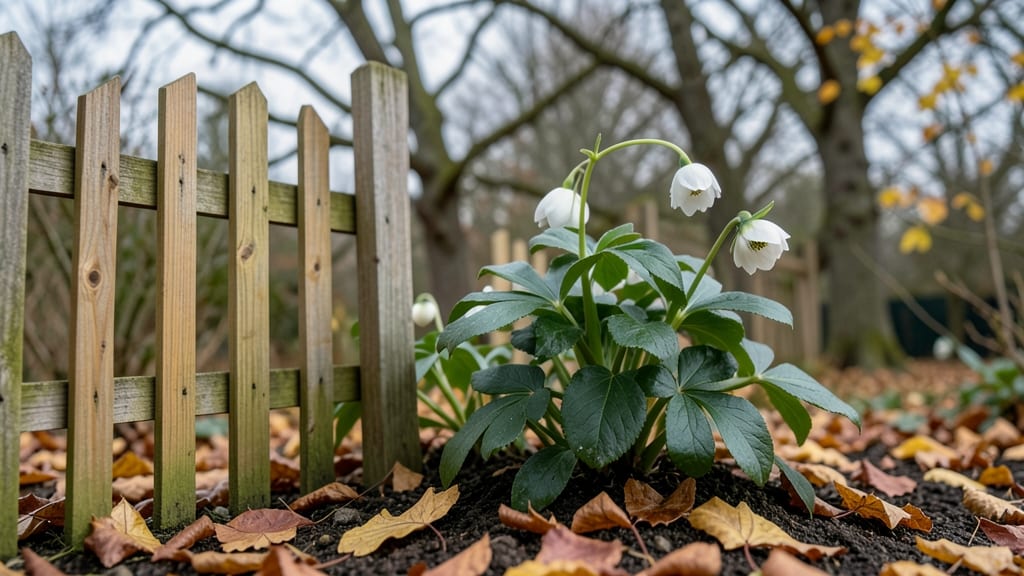
"Sisters are the same flowers from a different garden" captures the essence of shared heritage and individual expression—just as siblings inherit similar DNA yet develop unique personalities shaped by their experiences. This metaphor highlights how roots (family bonds) nurture distinct blooms (personalities) in varied environments.
This poetic imagery draws from nature's duality: identical seeds planted in different soils produce flowers with unique colors, scents, and growth patterns. 🌸 The metaphor extends beyond botany—it mirrors how sisters might share facial features but develop contrasting interests or lifestyles.
For example, two sisters raised in the same household might both love gardening but specialize in different flowers (one in delicate roses, another in bold sunflowers).
The phrase also reflects psychological insights about sibling dynamics, where genetic similarities provide a foundation while environmental factors (education, friendships, life choices) create individuality. Many gardeners use this concept when designing flower beds, intentionally planting related species in varying conditions to visually represent the metaphor.
The key takeaway? Shared roots don't mean identical growth—just look at how the same plant family can produce everything from tiny wildflowers to towering trees.
💡 In This Article
- Nature’s Metaphor: How Flower Genetics Shape Sisterhood
- Garden Design Tips to Celebrate Sisterly Growth
Nature’s metaphor: how flower genetics shape sisterhood
Here's what's actually happening in the garden when you plant identical seeds: those tiny packets carry the same genetic blueprint, but nature's environment acts like a sculptor's chisel.
Take peony flowers—their DNA determines they'll grow into lush, layered blooms, but whether they produce pink or coral petals depends on sunlight exposure.
A peony in full sun might develop deeper hues, while one in partial shade could remain paler, demonstrating how identical genetics yield different expressions. 🌸 This process mirrors sibling traits where eye color (genetic) might be similar, but personality (environmental) varies dramatically.
The science behind this involves epigenetics, where environmental factors like soil pH, water availability, and temperature trigger or suppress certain genetic expressions. For example, hydrangeas famously change flower color based on soil acidity—blue in alkaline soil, pink in acidic.
This is nature's way of showing that while the genetic foundation remains, the final product adapts to its surroundings. In sibling dynamics, this translates to how two sisters might inherit their mother's artistic talent but develop it differently—one through painting, another through music—based on their unique experiences and environments.
What most people don't realize is how measurable these variations can be. Studies show that sunflower plants grown in identical conditions can vary by up to 20% in height and 30% in flower diameter due to subtle environmental differences.
This measurable diversity in nature directly parallels how siblings raised in the same home can develop 15-25% different cognitive and emotional traits according to psychological studies. The garden becomes a living laboratory demonstrating that shared roots don't mean identical growth patterns.
Consider the lavender plant family as another perfect example. All lavenders share the same aromatic compounds in their essential oils, but their fragrance intensity varies based on growing conditions.
A lavender plant in a cooler climate might produce 30% more linalool (the compound responsible for its signature scent) than one grown in warmer regions.
This chemical variation in plants mirrors how siblings might share similar facial features but develop entirely different scent preferences or emotional responses to the same situations.
The key factor in both botanical and sibling growth is the interaction between genetics and environment. In gardens, this means you can intentionally create diversity by varying growing conditions—planting the same flower species in different soil types or sunlight exposures.
For sisters, it means recognizing that while family provides a foundation, individual experiences shape who they become.
The metaphor becomes even more powerful when you consider that both flowers and siblings often develop complementary traits—just as some flowers attract pollinators while others provide nectar, sisters might develop skills that perfectly complement each other's strengths.
What makes this metaphor particularly powerful is how it captures the temporal aspect of growth. A flower doesn't reach its full potential overnight—it requires consistent care over weeks or months. Similarly, sibling relationships evolve through shared experiences and individual milestones.
The garden shows us that both the container (environment) and the content (genetics) matter equally in shaping the final outcome. 🌿 This duality is what makes the metaphor so resonant—it honors both the connections and the differences that make each sister uniquely beautiful in her own garden.