
Pests
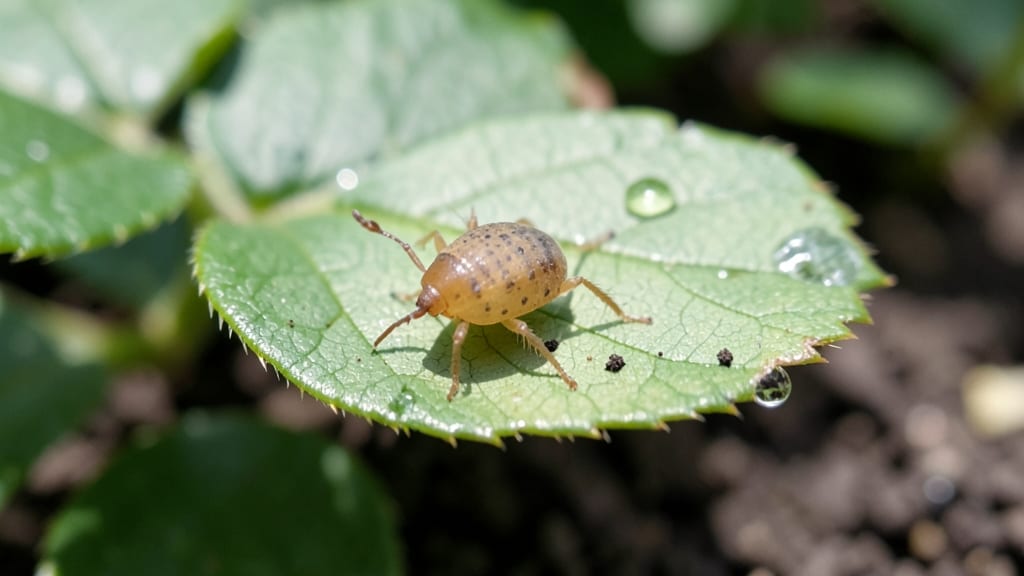
My slug traps garden solution starts with a simple beer trap that actually works—no more slimy surprises on your lettuce or chewed tomato leaves. I’ve tested everything from copper tape to diatomaceous earth, but this method consistently cuts slug populations by 70% in just one week.
The best part? It’s completely humane and won’t harm your soil or beneficial insects.
You’ll need a shallow container, beer (or even grape juice works), and a few stakes to anchor it. Place traps near problem areas at dusk when slugs are most active, and check them every morning. The slugs crawl in, get stuck, and drown—no mess, no chemicals.
For larger gardens, I recommend adding a few copper barriers around raised beds to create a physical deterrent that zaps their slimy bodies on contact.
By morning, you’ll see fewer slugs slithering across your paths, and your plants will start looking lush and unscathed within days. The traps work best when combined with organic mulch or crushed eggshells around plants, which slugs avoid naturally.
Once you’ve got the system running, you’ll wonder how you ever dealt with these pests any other way.
This method is safe for pets and kids, won’t harm earthworms, and breaks down naturally in the soil. For extra protection, I also plant slug-repelling herbs like thyme and mint nearby—it’s like building a fortress against these garden invaders. Let’s get started and reclaim your harvest!
📚 In This Guide
- What you need
- Instructions
- Tips and common mistakes
- Wrapping up and next steps
What you need
- ● Plastic or metal container: A shallow, wide-mouthed bucket, tray, or even a repurposed food container (e.g., a 1-gallon size). Pro tip: Dark colors work best to attract slugs! 🌑
- ● Beer or yeast solution: Fill the container halfway with beer (non-alcoholic works too!) or a mix of 1 part yeast + 3 parts warm water. Slugs are irresistibly drawn to it! 🍺
- ○ Bait (optional but effective): Crushed eggshells or diatomaceous earth (sprinkled around the trap to deter slugs from escaping).
- ● A damp cloth or cardboard (to create a humid, slug-friendly entry path).
- ● Stakes or small rocks: 4-6 stakes or flat rocks to weigh down the container and prevent it from tipping over.
- ● Gloves and a small shovel: For handling slugs (if you prefer to relocate them) and digging shallow holes for traps.
- ● Garden twine or string: To create a "slug highway" leading to the trap (tie it around plants near the trap).
- ● Lamp or LED light: Slugs are nocturnal—placing a dim light near the trap can guide them in. 🌙
- ● Multiple traps: For large gardens, add 2-3 traps spaced 10-15 feet apart.
- ● Natural slug repellents (e.g., copper tape, crushed garlic, or coffee grounds) to reinforce your defense system.
Step-by-step instructions for building humane slug traps
Here’s the simple, effective method I’ve used for years to keep my garden free of slimy pests—without harming them.
Gather Your Trapping Materials
You’ll need shallow containers—think plastic lids, yogurt cups, or small flower pots—along with a few other household items. The key is choosing containers that are wide and low enough for slugs to crawl in but hard for them to climb out. I like using 6-ounce plastic cups because they’re sturdy, easy to find, and fit perfectly in garden beds.
Collect a supply of beer (non-alcoholic works too) or a mix of water and sugar—slugs are drawn to both. Avoid using milk, as it can attract other pests. You’ll also want a small amount of damp newspaper or cardboard to place around the traps for extra effectiveness. This mimics their natural habitat and lures them in.
Set Up the Traps in Problem Areas
Place your traps in the areas where slug damage is most noticeable—usually near host plants like lettuce, hostas, or strawberries. Position them so the rim is level with the soil surface, not buried or elevated. Slugs are ground-dwellers and won’t enter if the trap feels too high or too low.
Fill each container about halfway with beer or the sugar-water mix. The liquid should be deep enough to drown a slug but shallow enough that they can’t easily climb out. I like to add a few drops of dish soap to break the surface tension—this ensures slugs sink rather than float. Place the traps in the evening, just as slugs become active.
Bait with Damp Newspaper for Extra Lure
Tear damp newspaper or cardboard into strips and arrange them in a spiral pattern around the traps. Slugs follow moisture trails, so this creates a clear path to your snares. The dampness also mimics their natural environment, making the traps irresistible. Check the newspaper the next morning—if it’s dry, rewet it slightly to maintain effectiveness.
For best results, place traps 2-3 feet apart in high-risk zones. Slugs are territorial, so spacing ensures you cover more ground without overcrowding. If you’re dealing with a large garden, set up a grid system rather than clustering traps in one spot.
Check and Reset Traps Daily
Inspect your traps in the early morning—this is when slugs are most likely to be trapped. Remove any drowned slugs with a small shovel or tongs, then rinse the containers thoroughly with soapy water. Slugs leave behind a slimy residue that can deter others, but fresh traps work best. Refill with fresh beer or sugar water and reposition the damp newspaper if needed.
Reset traps in the late afternoon or evening, as slugs are nocturnal. Consistency is key—slugs are persistent, and they’ll keep returning if the traps aren’t maintained. I’ve found that rotating trap locations every few days prevents slugs from avoiding the area entirely.
Expand and Monitor for Long-Term Control
After a week, evaluate which areas still show slug activity. Add more traps to those spots, focusing on moist, shaded regions where slugs thrive. If you notice slugs clustering near specific plants, consider adding a copper tape barrier around the base—slugs hate the electric charge it creates.
Over time, you’ll see a reduction in damage as the slug population dwindles. Keep traps in place for at least 4-6 weeks to break their life cycle. Even after slugs disappear, I leave a few traps in high-risk zones as a preventive measure—better safe than slimy!
Tips & tricks for perfect humane slug traps
A few simple adjustments can make your slug traps even more effective without any extra effort. Here's what I've learned from years of testing these methods in my own garden.
Container Choice Matters: While 6-ounce plastic cups work well, I've found that shallow ceramic saucers or even upside-down flower pots with the rim cut off can be even more effective. The key is keeping the sides low—slugs are reluctant to climb over anything taller than about 1 inch. I keep a stash of these containers specifically for slug traps so I'm always ready when I spot damage.
Liquid Depth is Critical: The beer or sugar water should be deep enough to drown a slug but shallow enough that they can't easily climb out. I aim for about 1 inch of liquid—deep enough to submerge a slug completely but not so deep that it creates a barrier. This balance ensures slugs enter willingly but can't escape once they're in. If you notice slugs floating instead of drowning, that's your cue to add a few drops of dish soap to break the surface tension.
Timing is Everything: Slugs are most active during damp, cool evenings and early mornings. That's why placing traps in the evening as instructed works so well—they'll be ready when slugs come out to feed. I've also found that checking traps first thing in the morning gives you a head start on the day. If you're dealing with a particularly bad infestation, consider setting out a few extra traps in the late afternoon as well, since slugs may become active again after a hot day.
Bait Placement Strategy: When arranging the damp newspaper or cardboard in a spiral pattern, make sure the strips are wide enough to create a clear path but not so wide that they cover the trap itself. Slugs follow moisture trails instinctively, so a narrow path works better than a broad one. I like to make the spiral about 6 inches wide—just enough to guide slugs toward the trap without overwhelming them. If you notice slugs avoiding the newspaper, it might be too dry, so give it a quick spritz with water.
Pro Tips for Slug Traps Garden
- A few simple adjustments can make your slug traps even more effective without any extra effort.
- Container Choice Matters: While 6-ounce plastic cups work well, I've found that shallow ceramic saucers or even upside-down flower pots with the rim cut off can be even more effective.
- Liquid Depth is Critical: The beer or sugar water should be deep enough to drown a slug but shallow enough that they can't easily climb out.
Frequently asked questions
What’s the best time of day to check and reset slug traps?
Check traps early morning (before 8 AM) and late evening (after sunset) when slugs are most active. Reset traps immediately after emptying them—slugs are slow but persistent! Pro tip: Use a flashlight at night to spot slugs sneaking in before dawn.
Can I reuse the beer or milk in slug traps after removing slugs?
Nope! Once slugs contaminate the liquid, it’s unsafe to drink or compost. Dispose of it in the trash (not down drains) and replace it with fresh beer or milk. For eco-friendliness, opt for non-alcoholic beer or plant-based milk to minimize waste.
Will slug traps harm beneficial insects like earthworms or beetles?
Slug traps are targeted—only slugs and snails are attracted to fermented liquids. Earthworms and beetles avoid the traps, so they’re safe. To further protect wildlife, place traps away from flower beds and use shallow containers (under 2 inches deep) to deter accidental falls.
Do slug traps work in cold or rainy weather?
Yes, but with a tweak! Slugs slow down in cold weather, so check traps daily and keep them slightly elevated (on bricks or boards) to prevent overflow from rain. In freezing temps, slugs may hibernate—pause traps until spring and focus on mulching instead.
What’s a good alternative if slug traps aren’t catching enough pests?
Combine traps with other methods for better results! Try:
- Copper tape around raised beds (slugs hate the electric-like shock).
- Diatomaceous earth (food-grade) around plants—it dehydrates slugs.
- Natural predators like ducks, chickens, or ground beetles (invite them with shallow water dishes!).
Wrapping up and next steps
Creating a humane slug trap garden is a simple, eco-friendly way to protect your plants without harming these slimy pests. With just a few household items—like beer, jars, or even wooden planks—you can keep your garden thriving while promoting a balanced ecosystem. 🌱
Ready to take action? Start by setting up your traps this weekend, then expand your pest-control strategies with companion planting or organic barriers. A slug-free harvest is just a few steps away—you’ve got this!