Flowers
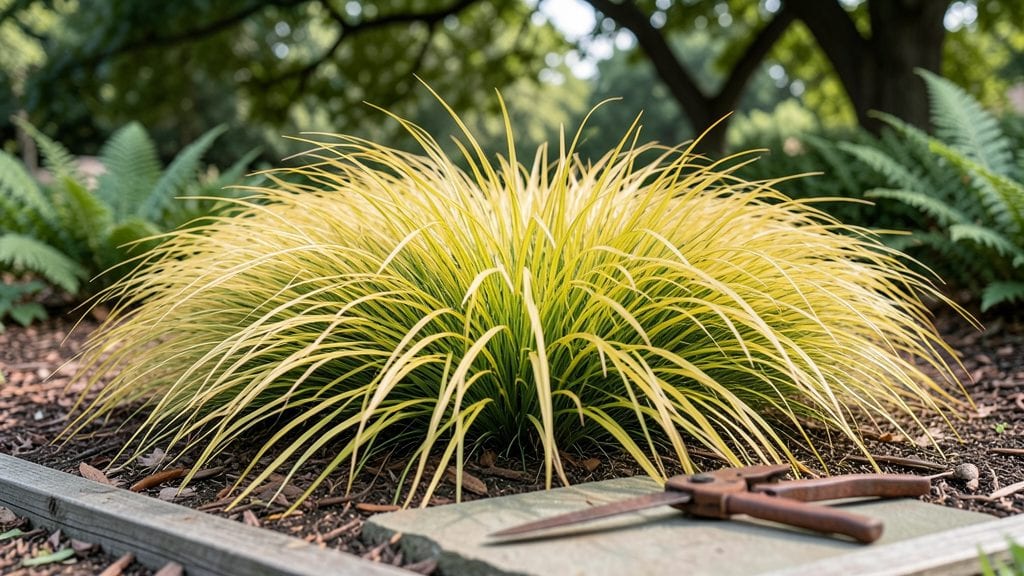
Solid ground gardens aren't just about plants—they're about creating a foundation that lasts through every season. I learned this the hard way after my third failed perennial bed collapsed under winter freeze-thaw cycles.
The key isn't just choosing the right plants, but building a garden that stays put, looks good year-round, and requires minimal fuss.
Think of it like layering a sturdy cake: a base of rocks or gravel for drainage, structural plants like ornamental grasses and shrubs for the middle layer, and finally flowers that bloom at different times.
My favorite materials are locally sourced stones (they blend perfectly) and raised beds filled with disease-resistant perennials that come back stronger each year. The result? A garden that looks intentional in every season, not just spring.
You'll end up with a space that handles rain, snow, and heat without falling apart. The gravel paths stay clear, the stones don't shift, and the plants thrive because their roots aren't fighting unstable soil.
Plus, the low-maintenance design means more time enjoying your garden than fixing it. Here's how to build one that stands the test of time.
This works equally well for small urban yards, rural landscapes, or anywhere you want a garden that feels permanent. The principles scale from a 4' x 4' patch to an acre—what matters is the foundation. Let's get your garden built to last.
Root Causes of Garden Instability
Even the most meticulously designed raised beds and layered gardens can struggle to maintain their structure over time. If your garden isn’t holding up as planned, the issue likely stems from one (or more) of these foundational problems.
Understanding the science behind them will help you fortify your space for lasting beauty.
When soil is too compacted or poorly drained, roots suffocate, and the entire garden structure weakens. This happens because:
- Clay-heavy soils retain too much water, creating anaerobic zones where roots rot and erosion accelerates.
- Organic matter breakdown (like decomposing mulch) can leave behind a spongy, unstable base that shifts under foot traffic or rain.
- Lack of aggregate materials (gravel, sand, or compost) in the subsoil prevents proper aeration and weight distribution.
Actionable fix: Test your soil’s compaction by pressing a shovel into it—if it resists, amend with 30% coarse sand or perlite and top with 6 inches of well-aged compost. For clay, mix in gypsum or expanded shale to improve porosity.
Exposed garden edges and lightweight mulch layers are prime targets for wind erosion, which strips away soil and destabilizes plants. Key triggers include:
- Unprotected slopes or borders where wind whips away topsoil, exposing roots and creating gullies.
- Fine, powdery mulches (like straw or cocoa hulls) that blow away in gusts, leaving bare patches.
- Shallow root systems in annuals or young perennials that can’t anchor against lateral wind pressure.
Actionable fix: Install windbreaks (e.g., tall grasses, hedges, or lattice screens) on exposed sides. Use heavier mulches like pine bark nuggets or wood chips (3–4 inches deep) and secure them with landscape fabric or edging stones to prevent drift.
Underground critters and microbes can silently undermine your garden’s stability by:
- Earthworms and moles creating tunnels that destabilize soil structure, especially in sandy or loose soils.
- Fungal hyphae (like those in Armillaria or Phytophthora) breaking down organic matter faster than it can be replenished.
- Termites or grubs feeding on cellulose-rich mulch, weakening the soil matrix over time.
Actionable fix: Introduce beneficial nematodes (for grubs) or mycorrhizal fungi (to strengthen root networks). For moles, install castor oil-based repellents or underground barriers. Replace decomposed mulch with slow-decaying options like hardwood chips or straw bales.
Uneven weight across a garden bed can cause sinking, cracking, or collapse—especially in DIY or lightweight designs. Common culprits:
- Improperly layered beds where heavy materials (like rocks) sit on top of lightweight fill (e.g., pure compost).
- Frost heave in cold climates, where water expands under frozen soil, lifting and cracking garden layers.
- Overwatering that saturates the subsoil, reducing its load-bearing capacity.
Actionable fix: Build beds with a graded base (start with 4–6 inches of gravel or crushed stone, then add 2 inches of sand for drainage). In freeze-thaw zones, insulate with straw or leaves in winter. For heavy plants (like shrubs), use deeper, wider root zones with extra compost.
Pro Tip: 🔍 Spot-check your garden’s stability by gently pressing down on mulch layers—if they compress easily, the soil beneath may be too loose. For slopes, consider terracing or swales** to distribute water and weight evenly.
Quick Fixes for Common Garden Woes
A thriving solid ground garden doesn’t happen by accident—it’s the result of smart problem-solving and proactive care. Below, we’ll tackle the most common challenges with practical, step-by-step solutions and prevention tips to keep your garden lush, resilient, and low-maintenance year-round.
Cause: Compacted soil, clay-heavy ground, or improper layering traps excess moisture, suffocating roots and inviting fungal diseases.
How to Fix It: 🔥 Test Your Soil First – Dig a 6-inch hole and fill it with water. If it drains in under an hour, you’re good. If not, amend the soil. 🍳 Add Organic Matter – Mix in 3–4 inches of compost or well-rotted manure to loosen clay soil. For sandy soil, blend in peat moss or coconut coir to retain moisture. 👨🍳 Improve Drainage Layers – If planting in raised beds or containers, use a bottom layer of gravel, broken pottery, or perlite before adding soil. ⏰ Prevent Future Issues – Mulch with wood chips or straw to reduce water evaporation and keep soil loose.
💡 Pro Tip: If your garden is severely waterlogged, consider French drains or swales (shallow trenches) to redirect excess water naturally.
Cause: Bare soil, overwatering, or thick mulch layers create the perfect breeding ground for weeds.
How to Fix It: 🔥 Hand-Pull Early & Often – Weeds are easiest to remove when young. Use a garden fork to loosen roots before tugging. 🍳 Apply Mulch Correctly – Use 3–4 inches of wood chips, straw, or shredded leaves to block sunlight (weeds’ nemesis). Avoid plastic mulch—it traps heat and encourages weeds. 👨🍳 Use Natural Herbicides – Spray vinegar + dish soap (for spot treatment) or boiling water on stubborn weeds. For long-term control, try corn gluten meal (pre-emergent) in early spring. ⏰ Prevent Regrowth – Plant ground covers (like creeping thyme or clover) or dense perennials to outcompete weeds naturally.
💡 Pro Tip: A flame weeder (for small areas) can zap weeds in seconds—just be cautious near flammable plants!
Cause: Overwatering, poor airflow, or contaminated soil create the perfect environment for powdery mildew, rust, or blight.
How to Fix It: 🔥 Prune for Airflow – Thin out dense foliage to improve circulation. Remove infected leaves immediately. 🍳 Adjust Watering Habits – Water early in the day (so leaves dry quickly) and at the base (not overhead). Use a soaker hose to reduce leaf wetness. 👨🍳 Fungal Remedies –
- Baking Soda Spray: Mix 1 tsp baking soda + 1 quart water + a drop of soap. Spray every 7–10 days.
- Neem Oil: Apply 1 tbsp neem oil + 1 tsp soap per gallon of water as a preventative.
- Copper Fungicide: Use for severe cases (follow label instructions).
⏰ Prevent Recurrence –
- Rotate crops annually to avoid soil-borne pathogens.
- Sterilize tools with rubbing alcohol between uses.
- Choose resistant varieties (e.g., 'Blaze' tomato for mildew resistance).
💡 Pro Tip: Companion planting (like marigolds near tomatoes) can deter fungal spores naturally.
Cause: Lack of beneficial insects, over-fertilizing, or monoculture planting attracts pests like aphids, slugs, or deer.
How to Fix It: 🔥 Identify the Culprit – Check for chewed leaves (caterpillars), sticky residue (aphids), or slime trails (slugs). 🍳 Non-Toxic Traps & Barriers –
- Slugs/Snails: Set out beer traps (bury a cup filled with beer) or use copper tape around beds.
- Aphids: Blast off with water + a drop of dish soap or introduce ladybugs.
- Deer: Install 8-foot tall fencing or plant deer-resistant shrubs (like boxwood or lavender).
👨🍳 Encourage Predators – Plant dill, fennel, or alyssum to attract ladybugs, lacewings, and parasitic wasps. ⏰ Prevent Future Problems –
- Interplant flowers & veggies to disrupt pest cycles.
- Avoid over-fertilizing (soft new growth attracts pests).
- Handpick large pests (like tomato hornworms) early.
💡 Pro Tip: Diatomaceous earth (food-grade) is a natural, dry pesticide—just sprinkle it on soil (reapply after rain).
Cause: Nutrient deficiencies, improper sunlight, or root-bound conditions slow growth.
How to Fix It: 🔥 Check Light Requirements – Most perennials need 6+ hours of sun; shade-lovers (like hostas) thrive in partial shade. 🍳 Feed Smart –
- Slow-release fertilizer (like osmacote) for long-term growth.
- Compost tea for a quick nutrient boost (brew at home or buy ready-made).
👨🍳 Repot or Divide – If plants are root-bound, transplant to a larger container or divide clumps every 3–4 years. ⏰ Prevent Future Issues –
- Test soil pH (aim for 6.0–7.0 for most plants).
- Mulch annually to retain moisture and nutrients.
- Rotate crops to prevent soil depletion.
💡 Pro Tip: Epsom salt (magnesium sulfate) can revive yellowing leaves—sprinkle around plants and water in.
Cause: Sudden temperature swings, heavy winds, or drought stress plants.
How to Fix It: 🔥 Protect from Frost – Cover tender plants with frost cloth or burlap sacks when temps drop below 32°F. 🍳 Beat the Heat –
- Shade cloth (30–50% coverage) for delicate plants.
- Mulch deeply (4–6 inches) to insulate roots.
👨🍳 Post-Storm Recovery –
- Prune broken branches with clean, sharp shears.
- Water deeply (but avoid soggy soil).
⏰ Prevent Damage –
- Choose native plants (they’re hardier in your climate).
- Stake tall perennials before storms.
- Group plants by water needs to reduce stress.
💡 Pro Tip: A sprinkler on a timer can raise humidity during heatwaves, protecting plants from scorching.
The secret to a low-maintenance, year-round garden? Prevention + quick action. By addressing issues early and strengthening soil health, your garden will become self-sustaining—requiring less work and more rewards.
🎯 Ready to transform your space? Start with one fix today—your future self (and your plants) will thank you!
Frequently asked questions
What are the best foundational materials for a sturdy garden base?
For lasting stability, start with a 4-6 inch layer of crushed stone or gravel to improve drainage, then add 2 inches of coarse sand before your soil mix. This creates a solid framework that prevents sinking and erosion. Locally sourced river rocks or decomposed granite work well too, as they blend naturally with the landscape.
How do I choose plants that thrive in a solid ground garden?
Focus on deep-rooted perennials like ornamental grasses, lavender, and coneflowers for structure, plus low-maintenance shrubs such as boxwood or hydrangeas. These plants establish strong root systems that anchor the soil. For seasonal color, add drought-tolerant annuals like black-eyed Susans or salvia, which bounce back easily.
Can I build a solid ground garden on a slope?
Yes! Use terracing or swales to create level planting areas that prevent erosion. Install retention walls or natural stone borders to contain soil, and plant ground covers like creeping thyme or sedum between terraces. These techniques redirect water while keeping your garden stable and visually cohesive.
What's the most common mistake when creating these gardens?
Skipping the proper drainage layer is the biggest error. Without it, water pools at the roots, leading to rot and instability. Always test your soil's drainage by filling a hole with water—if it doesn't drain within an hour, amend with sand or perlite. Another mistake? Using lightweight mulch that blows away—opt for wood chips or pine straw instead.