
Shrubs
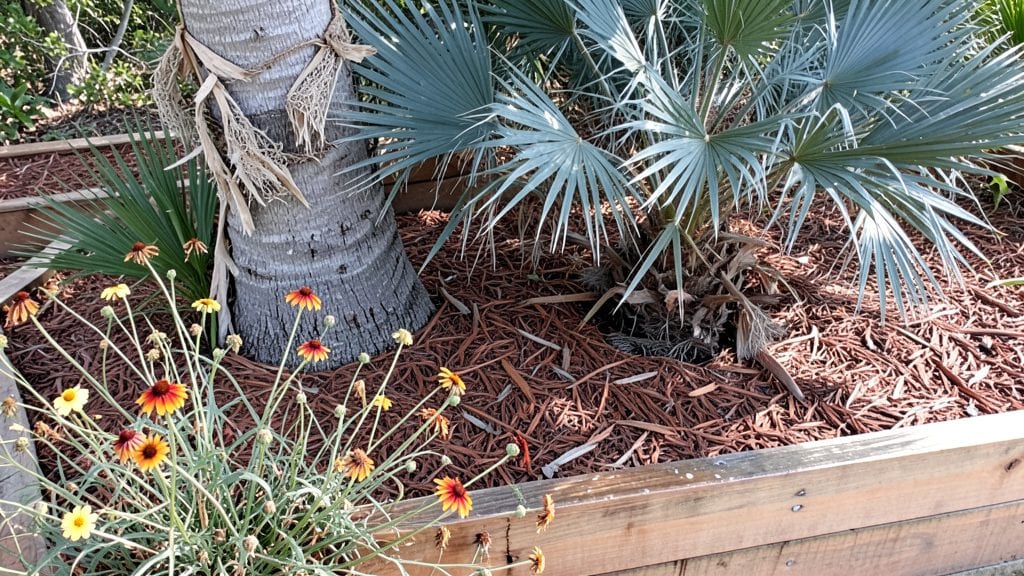
South Florida gardening shrubs don’t just survive—they outperform everything else in your yard. 🌿 I’ve learned the hard way which varieties handle 90-degree days, hurricane-force winds, and that relentless humidity without breaking a sweat.
The key isn’t just picking the right plants; it’s understanding how they behave in Miami’s microclimates versus Naples’ coastal breezes.
Most shrubs wilt under South Florida’s intensity, but firebush, coontie palms, and gulf muhly stay lush year-round with minimal fuss. You’ll need well-draining soil (sandy loam is common here) and a smart watering schedule—deep soaks once a week beat daily sprinklers.
These plants thrive in full sun, so they’re perfect for fences, hedges, or even storm-damaged areas needing quick recovery.
What you’ll end up with is a yard that stays green when neighbors’ gardens brown out. Firebush blooms even in summer heat, coontie palms handle drought like a champ, and gulf muhly adds texture without demanding attention.
The best part? They attract pollinators year-round, turning your landscape into a wildlife magnet. Let’s pick the right shrubs for your exact conditions.
Whether you’re in Zone 10’s heat islands or Zone 11’s coastal edges, these shrubs adapt. Hurricane season? They flex. Drought? They shrug. The secret lies in matching the right variety to your microclimate—so let’s get specific about what works where.
📚 In This Guide
- What you need
- Instructions
- Tips and common mistakes
- Wrapping up and next steps
What you need
- ● Heat-tolerant shrubs: Choose from Firebush (Hamelia patens), Blanket Flower (Gaillardia pulchella), or Lantana (3–5 plants, depending on garden size).
- ● Well-draining soil: Mix native sandy soil with 2–3 inches of compost (1 bag per 10 sq. ft.).
- ● Organic mulch: Pine straw or wood chips (2–3 inches deep, 1 bag per 5 sq. ft.).
- ● Drip irrigation system: 1/4-inch tubing, emitters, and a timer (or a soaker hose as a budget-friendly alternative).
- ● Pruning shears: Bypass pruners (for clean cuts) or loppers (for thicker stems).
- ● Gloves & knee pads: Heavy-duty gardening gloves and ergonomic pads (for comfort).
- ● Slow-release fertilizer: Balanced 10-10-10 or organic options (apply 2–3 times per year).
- ● Shade cloth: 30–50% coverage (for young plants in intense afternoon sun).
- ● Pest control: Neem oil spray or beneficial nematodes (for aphids/spider mites).
- ● Garden stakes or cages: Bamboo stakes or tomato cages (to support taller shrubs like Firebush).
Step-by-step guide for selecting and planting South Florida's toughest shrubs
Here's how to pick and place the hardiest shrubs that handle Florida's heat, humidity, and hurricanes.
🌿 Step 1: Choose Native or Adapted Heat-Resistant Shrubs
Start with proven performers like firebush (Hamelia patens), which blooms red flowers year-round, or coontie (Zamia integrifolia), a drought-tolerant palm relative. Other top picks include muhly grass (Muhlenbergia capillaris) for texture and salt-tolerant buttonwood (Conocarpus erectus) for coastal areas. I always check the Florida Native Plant Society's database to verify a shrub's heat zone compatibility—this ensures it thrives in your specific microclimate.
Look for shrubs labeled as "drought-tolerant" or "low-maintenance" on nursery tags. These terms mean they won't wilt during the dry season or require constant watering. For example, firebush thrives in full sun and only needs watering once established. Avoid anything labeled "tender" or "semi-tropical"—those won't survive Florida's winter freezes or summer heat waves.
☀️ Step 2: Plant in the Right Season and Location
Plant shrubs in late spring or early fall when temperatures are mild—65-85°F—to give roots time to establish before the next extreme season. Avoid planting during July or August when the heat and humidity stress young plants. Choose a spot with at least 6 hours of sunlight daily unless the shrub is specifically labeled as shade-tolerant, like coontie or some varieties of muhly grass.
Dig holes twice as wide as the root ball but only as deep. This allows roots to spread naturally without being buried too deep, which can suffocate them. Amend the native soil with 2-3 inches of organic compost mixed into the bottom of the hole—this improves drainage and provides nutrients. I always water the hole thoroughly before planting to settle the soil and remove air pockets.
💧 Step 3: Water Deeply and Mulch to Retain Moisture
Water newly planted shrubs deeply every 2-3 days until the soil is 6 inches down—check by sticking your finger in. Overwatering is just as harmful as underwatering, so avoid soggy soil. Once established (after 6-8 weeks), most Florida shrubs only need 1 inch of water per week, either from rain or irrigation. Firebush and buttonwood are especially drought-tolerant once rooted.
Apply 3 inches of mulch (like pine bark or cypress mulch) around the base, keeping it 6 inches away from the trunk to prevent rot. Mulch locks in moisture, regulates soil temperature, and suppresses weeds. Replenish mulch as it breaks down—this is a one-time annual task that saves time and water long-term. I use cypress mulch because it resists decomposition and stays in place during Florida's heavy rains.
✂️ Step 4: Prune for Shape and Health
Prune shrubs after flowering or in early spring to encourage new growth. For example, trim firebush back by one-third after its summer blooms to keep it compact and bushy. Use clean, sharp pruners to make cuts at a 45-degree angle just above a leaf node. This prevents disease and promotes faster healing. Avoid heavy pruning in summer—the heat stress can weaken the plant.
Remove any dead, diseased, or crossing branches immediately. I always sterilize my pruners with rubbing alcohol between cuts to prevent spreading fungal infections. If a shrub looks leggy or sparse, it might need more sunlight—move it to a sunnier spot or thin out nearby plants competing for light. Most Florida shrubs respond well to light pruning and stay healthy with minimal upkeep.
🌱 Step 5: Fertilize Sparingly for Long-Term Health
Fertilize only once a year in early spring with a slow-release, balanced fertilizer (like 6-6-6 or 8-3-9). Over-fertilizing leads to weak growth and attracts pests. Follow the package instructions for application rates—too much can burn roots in Florida's heat. I prefer organic options like composted manure or fish emulsion for native shrubs, as they mimic natural nutrient cycles.
Watch for signs of nutrient deficiency, like yellowing leaves (nitrogen deficiency) or stunted growth (phosphorus deficiency). If you see these, adjust your fertilizer blend accordingly. Most Florida shrubs don’t need much—native plants are already adapted to lean soils. After fertilizing, water deeply to help nutrients reach the roots. Avoid fertilizing in summer when the plant is stressed by heat.
Tips & tricks for perfect South Florida landscaping
These insider tricks will help you create a thriving, low-maintenance landscape that survives Florida's extreme conditions.
Microclimate Matters: Florida's weather varies dramatically even within short distances. Check the Florida Native Plant Society's database to match your specific microclimate—some areas get more afternoon sun, others have cooler mornings. For example, coastal buttonwood thrives in salty air but may struggle inland where humidity is lower. I always test soil moisture levels in both morning and afternoon to understand my yard's unique needs.
Root Ball Prep Secret: Before planting, soak the root ball for 10-15 minutes in water to hydrate the roots thoroughly. This gives your shrubs a head start in Florida's sandy soils. I also remove any plastic nursery pots—they trap moisture and can suffocate roots. For container-grown plants, gently tease apart the root ball edges to encourage outward growth rather than circling.
Mulch Layering Technique: When applying that 3 inches of mulch, create a volcano shape—thicker in the center and tapering toward the edges. This directs water toward the roots during Florida's heavy rains. I use cypress mulch specifically because it breaks down slowly, saving me from annual mulching chores. Just remember to keep it 6 inches away from the trunk to prevent rot.
Pruning Timing Hack: For firebush specifically, I prune just after the first heavy rain following its summer blooms. The extra moisture helps the plant recover faster from the stress of pruning. Always prune in the early morning when temperatures are cooler—this reduces shock to the plant. I've found that cutting at a 45-degree angle just above a leaf node gives the cleanest results and promotes new growth.
Pro Tips for South Florida Gardening
- These insider tricks will help you create a thriving, low-maintenance landscape that survives Florida's extreme conditions.
- Microclimate Matters: Florida's weather varies dramatically even within short distances.
- Root Ball Prep Secret: Before planting, soak the root ball for 10-15 minutes in water to hydrate the roots thoroughly.
Frequently asked questions
Got questions about keeping your South Florida shrubs lush and thriving in the heat? You’re not alone! Here are answers to the most common concerns—from timing tricks to troubleshooting tips—so you can garden with confidence.
What are the best heat-resistant shrubs for South Florida’s climate?
Opt for native or drought-tolerant varieties like Firebush (Hamelia patens), Coastal Rosemary (Westringia fruticosa), or Dwarf Yaupon Holly (Ilex vomitoria ‘Nana’). These shrubs handle humidity, salt spray, and temperatures above 90°F with ease. Pro tip: Look for labels marked “heat-tolerant” or “low-maintenance” at local nurseries!
When is the best time to plant heat-resistant shrubs in South Florida?
Plant in early spring (March–April) or late summer (September) to avoid peak heat stress. Avoid winter (hurricane season) or mid-summer (intense sun). Evergreen shrubs like Murraya paniculata (Orange Jessamine) can handle light frost, but most prefer warm soil. Water deeply after planting to help roots establish!
Why are my shrubs turning brown or crispy despite being heat-resistant?
Brown edges or wilting often signal underwatering or overwatering. South Florida’s sandy soil drains fast, so check moisture 2–3 inches deep—water when dry. Salt spray (near coastlines) or pests like spider mites can also cause stress. Prune dead leaves and apply mulch to retain moisture.
Can I grow heat-resistant shrubs in containers instead of the ground?
Shrubs like Lantana or Dwarf Mexican Petunia thrive in containers with well-draining soil and 10+ inches of depth. Use pots with drainage holes and move them to shaded areas during midday heat (12–3 PM). Tip: Fertilize monthly with a slow-release, heat-tolerant blend (e.g., 8-3-9) for container plants.
How often should I prune heat-resistant shrubs in South Florida?
Prune lightly in late winter (Feb) to shape shrubs and encourage new growth. Avoid heavy pruning in summer—it stresses plants. For Firebush or Rosemary, trim back 1/3 of the plant max to maintain vigor. Warning: Never prune when wet (risk of fungal diseases). Use sterilized shears!
Wrapping up and next steps
South Florida’s year-round growing season means you can enjoy lush, vibrant shrubs that not only survive but thrive in the heat and humidity. From drought-tolerant Firebush to fragrant Jasmine, these heat-resistant greenery options bring beauty, function, and resilience to your landscape.
With the right soil, watering habits, and a little TLC, you’ll create a stunning outdoor space that’s as low-maintenance as it is eye-catching.
Ready to transform your yard? Start by picking one or two shrubs that match your style and climate needs, then roll up your sleeves—your future oasis is waiting! 🌿✨