
Tools
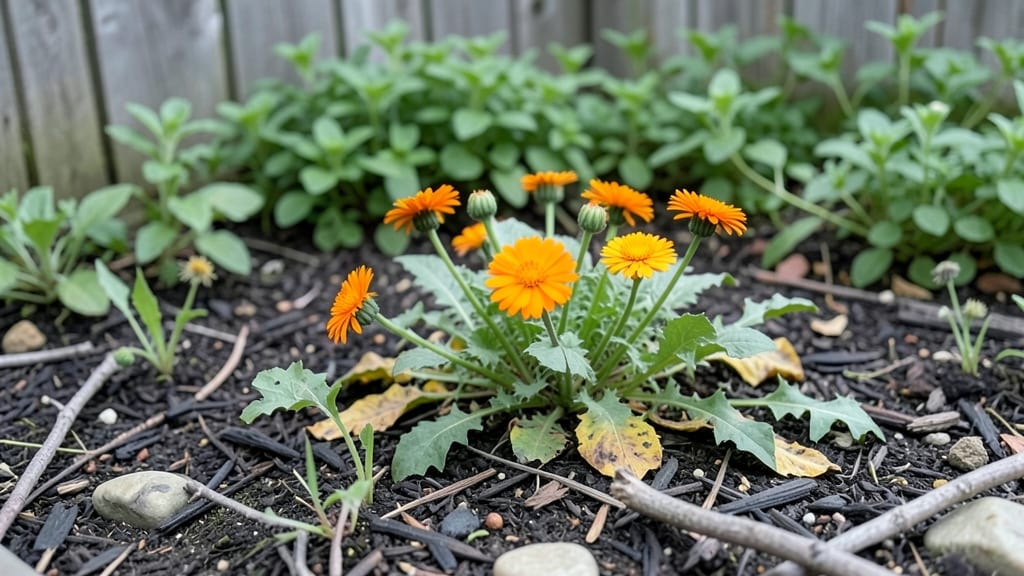
Spiritual gardening quotes deepen your bond with nature by weaving ancient wisdom into the act of growing. They transform planting, nurturing, and harvesting into sacred rituals that honor patience and trust. These words encourage you to cultivate not just plants but inner awareness through mindfulness and gratitude.
These quotes draw from centuries-old traditions where gardens symbolize life’s cycles—birth, growth, decay, and renewal.
Many reflect Indigenous perspectives, like the Cherokee belief that "the earth is our mother," or Zen teachings that see weeds as "imperfect teachers" guiding us to embrace nature’s unpredictability. 🌱 The magic lies in how they reframe gardening as a spiritual practice, where every task becomes a meditation on connection and impermanence.
To make them meaningful in your own garden, try pairing quotes with rituals—like planting a seed while whispering a mantra or journaling about the season’s lessons.
I’ve found that labeling plants with short sayings (e.g., "This basil grows with my joy") turns routine care into a daily reminder of intentional living.
💡 In This Article
- Ancient Wisdom Behind Spiritual Gardening Sayings
- How to Use Spiritual Quotes to Enhance Your Garden Practice
Ancient wisdom behind spiritual gardening sayings
Many spiritual gardening sayings trace back to Indigenous traditions where plants were seen as living relatives. The Lakota phrase "Mitákuye Oyás'ni" ("All are related") reflects this belief that tending the earth is an act of kinship.
Similarly, Taoist texts describe gardening as "following the natural way"—working with seasons rather than against them, like planting at the 21-day lunar cycle when energy peaks. These philosophies treat soil as a sacred canvas where intention shapes growth, much like how a potter molds clay.
The metaphor of "seeds of intention" appears in Zen Buddhism, where monks planted gardens as meditative practice. A 12th-century Japanese text compares seeds to "tiny worlds waiting to unfold"—each one holding potential like a human mind.
Science supports this: a single sunflower seed contains 10-12% protein and 25% oil, mirroring how small actions (like planting) yield exponential results. Indigenous farmers also used "three sisters" (corn, beans, squash) to demonstrate interdependence, where each plant supports the others' growth—a lesson in community.
Western mysticism adds another layer, with figures like Rumi writing "Your task is not to seek for love, but merely to seek and find all the barriers within yourself that you have built against it." This aligns with permaculture principles, where "observing before acting" becomes a spiritual discipline.
The 1,000-year-old Japanese art of bonsai takes this further, treating tree cultivation as a lifelong meditation on patience and impermanence—roots pruned to 1/3 their size symbolize surrender to nature's cycles.
What makes these sayings universal is their focus on cycles and transformation. The Cherokee word "Ganodiio" (earth) carries the idea of a living being that gives and receives—just like a garden.
Taoist gardening manuals from the Song Dynasty (960-1279 AD) describe how weeds teach humility, while European herbals from the 16th century called gardens "earthly paradises." Even modern science echoes this: plants release phytocides that communicate stress to neighbors, proving their interconnected wisdom.
Consider this Cherokee planting ritual: Before sowing, gardeners would speak to the seeds, asking permission to share the land's gifts. This reflects the Native American concept of "thankfulness before taking"—a practice now adopted in regenerative agriculture.
The Japanese art of "kokedama" (root-bound plants wrapped in moss) embodies this philosophy, where the plant's needs dictate care rather than human schedules. These traditions remind us that gardening isn't just about harvests—it's about reciprocity with the earth.
The science of mycorrhizal networks—where fungi connect plant roots in vast underground webs—literally proves what these ancient sayings describe: that all life is interwoven. When you plant a seed, you're not just growing a tomato; you're participating in an ancient conversation between species. That's the sacred act these quotes celebrate.