
Tools
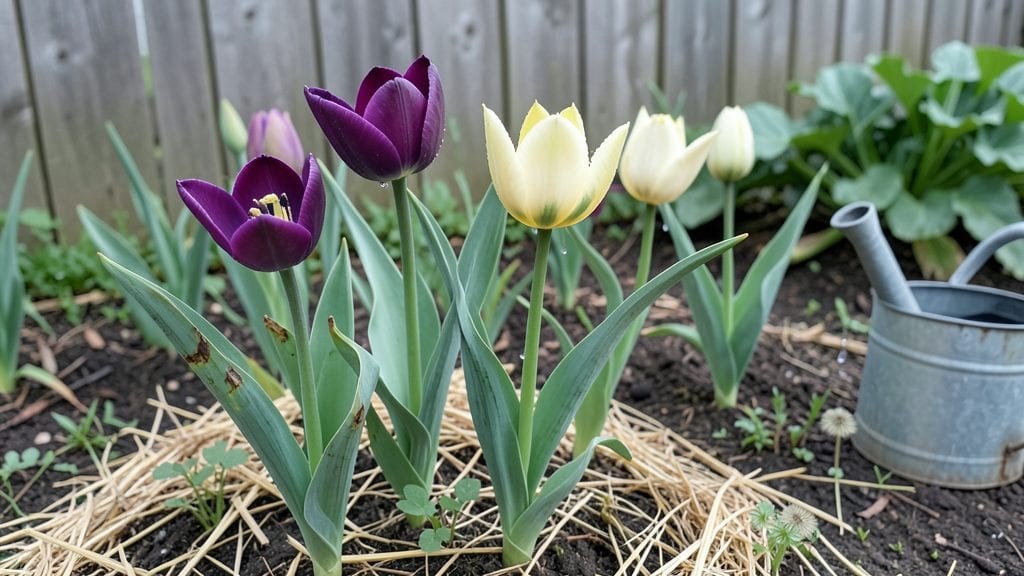
Spring garden weather determines planting success by dictating soil warmth, frost risk, and ideal temperature ranges—typically between 45°F and 75°F—depending on plant types. Timing your planting with seasonal shifts and local frost dates maximizes growth potential.
Understanding spring garden weather isn't just about temperatures—it's about predicting nature's timing. For example, cool-season crops like lettuce thrive when soil reaches 40°F, while tomatoes need 60°F+ to germinate.
A late frost can set back progress by weeks, so I always check my local last frost date and adjust planting schedules. Regional variations matter too: Southern gardens warm faster than Northern ones, so adjusting for your zone is key. 🌱
Beyond frost dates, spring weather brings unpredictable rain and sudden heatwaves. Mulching helps retain moisture and regulate soil temperature, while cold frames create microclimates for delicate seedlings. Staggered planting ensures a continuous harvest, even if Mother Nature throws curveballs.
Think of it as a dance with the seasons—your plants' success depends on how well you read the cues.
💡 In This Article
- Key Temperature Ranges for Spring Planting
- Spring Weather Risks and Planting Adjustments
Key temperature ranges for spring planting
Here's what's actually happening in your soil when spring arrives: cool-season crops like lettuce and peas germinate best when soil temperatures hover between 40°F and 55°F, while their growth accelerates at 50-65°F. The reason?
These plants evolved to thrive in cooler conditions, where their metabolic processes remain efficient without overheating. Warm-season plants like tomatoes and cucumbers, however, need soil temperatures above 60°F to germinate—any cooler and their seeds simply won't sprout. 🌱
The science behind this involves enzyme activity in seeds. Cool-season plants produce enzymes that function optimally in cooler temperatures, while warm-season plants require heat to activate their germination enzymes.
For example, tomato seeds contain germination-specific proteases that only become active at 70°F+, which is why planting them too early in cold soil results in "dormant" seeds that never break ground.
Regional variations amplify this—Zone 5 gardens may see 45°F soil in May, while Zone 8 gardens hit 65°F by then.
Cold snaps can derail even the most careful planting plans. A 28°F frost can kill young seedlings overnight, while 32°F temperatures stunt growth by damaging cell membranes. The key factor is the rate of temperature change: sudden drops of 10°F+ in 24 hours are especially harmful.
This is why gardeners in transitional zones (like the Midwest) often use row covers or black plastic mulch—these create 5-10°F warmer microclimates that protect tender plants during unpredictable swings.
What most people don't realize is how air temperature differs from soil temperature. Air temps are what weather forecasts show, but soil stays cooler in spring because it absorbs heat slowly. A 50°F air temperature might correspond to 40°F soil—enough to fool warm-season plants into thinking conditions are safe.
Use a soil thermometer (not just a weather app) to get accurate readings. Pro tip: Morning soil temps are 5-10°F cooler than afternoon temps, so plant in the late morning when conditions are most stable.
Regional warming trends add another layer of complexity. The Northeast sees soil reach 50°F about 2-3 weeks later than the Southeast, while the Pacific Northwest's marine influence keeps soils 10°F cooler longer. Even within a state, elevation matters—mountain gardens can be 3-5 weeks behind valley gardens in spring warming.
For instance, Denver's 5,000-foot elevation means its last frost average is May 15, while nearby Colorado Springs (higher elevation) averages May 28.
Here's a quick reference for your planting zone: Cool-season crops (kale, spinach) thrive when daytime highs are 60-70°F and nights dip to 40-50°F. Warm-season crops (peppers, squash) need consistent 70°F+ days and 55°F+ nights.
The 10-day forecast isn't enough—track minimum nighttime temps for 2 weeks to ensure safe planting. 🌿