
Planting
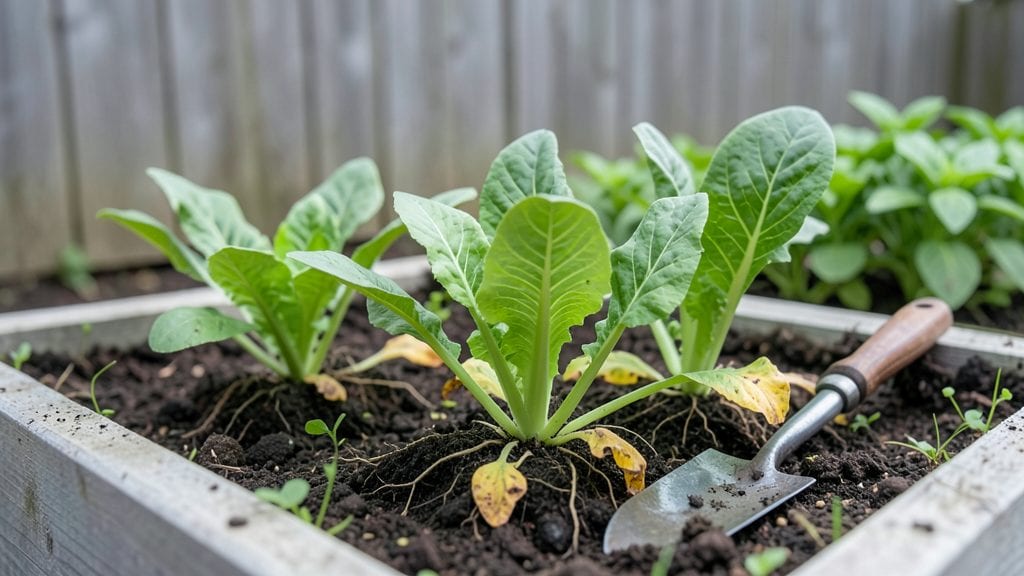
This square foot gardening planting guide will show you how to transform your tiny plot into a thriving harvest by dividing it into 1-foot squares, each packed with the perfect number of plants—just like my first 4x4-foot raised bed. 🌱 my backyard and now grow enough tomatoes, lettuce, and herbs to feed my family all summer—without stepping on weeds or fighting overcrowded plants.
The system is simple but precise: each square holds exactly the plants that fit its space, based on their mature size. You’ll need a grid layout (string or wood slats work), quality soil mix (no rocks or clay), and a plant spacing chart to avoid the beginner’s mistake of overcrowding.
My first year, I packed too many carrots into a square—they bolted before harvest. Lesson learned.
Once planted, you’ll harvest earlier and more abundantly than in traditional rows. Lettuce ready in 30 days, radishes in 25, and tomatoes that ripen without shading their neighbors.
The method even adapts to containers—just shrink the squares to fit your pots. By summer’s end, you’ll wonder how you ever grew any other way.
Works in any climate, from hot deserts to cool mountain regions—just adjust your plant choices. The key is consistency: water deeply but infrequently, mulch to retain moisture, and rotate crops yearly. Ready to turn that tiny patch into a powerhouse? Let’s get planting.
📚 In This Guide
- What you need
- Instructions
- Tips and common mistakes
- Wrapping up and next steps
What you need
- ● Square foot garden frame: 4’ x 4’ wooden frame (or modular sections) with 12" tall sides (untreated cedar or redwood recommended for durability).
- ● Landscape fabric: 1 roll (3’ wide) to line the bottom of the frame and block weeds.
- ● Mel’s Mix soil: 1 cubic yard (or pre-mixed bags) – blend of 1/3 peat moss, 1/3 vermiculite, and 1/3 compost.
- ● Organic compost: 1 bag (or homemade) for amending soil.
- ● Planting grid: 12" x 12" grid (or string lines) to divide the frame into 1’ x 1’ squares.
- ● Seeds/seedlings: Choose varieties suited for square foot gardening (e.g., lettuce, radishes, carrots, tomatoes, peppers).
- ● Watering can or hose with gentle nozzle: For precise watering (1–2 gallons capacity).
- ● Garden trowel or transplanter: For planting seedlings without disturbing roots.
- ● Measuring tape or ruler: To ensure accurate spacing.
- ● Gloves: Heavy-duty for handling soil and compost.
- ● Mulch (straw or shredded leaves): 1–2 bags to retain moisture and suppress weeds.
- ○ Fertilizer (optional): Slow-release organic granules (e.g., fish emulsion or compost tea).
- ○ Shade cloth (optional): For hot climates (30–50% shade coverage).
- ● Sunny location: 6+ hours of direct sunlight daily (south-facing ideal).
- ● Level ground: Clear rocks/debris and ensure the frame sits flat.
- ● Access to water: Nearby spigot or portable water source.
- ● Planting schedule: Check your frost dates to time planting for optimal growth.
Step-by-Step instructions for square foot gardening layout
Here's how I organize my 4-foot-by-4-foot beds for maximum productivity—no wasted space, just smart planting.
🪴 Step 1: Divide the Grid and Label the Zones
Start by dividing your 4-foot-by-4-foot raised bed into a 16-square-foot grid using a wooden lattice or string. Each 1-foot-by-1-foot square becomes a dedicated planting zone. Label each square with a permanent marker on wooden stakes—this prevents confusion when rotating crops later.
I mark the center of each square with a small X using a pencil so I know exactly where to plant. This precision ensures you don’t accidentally overlap root zones or plant too densely. For example, a 16-square-foot bed can fit 16 plants of small varieties like lettuce or 1 plant of a large variety like broccoli in a single square.
🌱 Step 2: Choose the Right Plant Spacing for Each Square
Refer to your square foot gardening chart (or a trusted guide) to determine how many plants fit in each square. For instance, bush beans need 4 plants per square, while carrots require 16 plants per square. Write the plant count in each labeled square to avoid overcrowding.
I always group plants by light and water needs—for example, placing tomatoes, peppers, and basil together in sunny squares while reserving shadier zones for spinach or kale. This keeps maintenance simple and ensures no plant gets neglected. If mixing varieties, check their mature sizes to avoid competition.
💧 Step 3: Amend the Soil and Plant According to the Plan
Fill your bed with 2-3 inches of compost mixed into the top 6 inches of soil. This ensures nutrients are concentrated where roots will grow. Use a hand trowel to create small holes—just deep enough to accommodate the root ball of each plant without burying stems too deeply.
Place each plant gently but firmly in its designated square, pressing the soil lightly around the base. Water immediately after planting to settle the roots. For seeds, follow the spacing guidelines (e.g., 9 seeds per square for radishes) and cover with ¼ inch of soil. Keep the bed moist but not soggy until germination.
☀️ Step 4: Mulch and Monitor Growth Weekly
Spread 1-2 inches of mulch (like straw or shredded leaves) over the entire bed to retain moisture and suppress weeds. Avoid piling mulch directly against stems—leave a 1-inch gap to prevent rot. Check each square weekly for signs of pests, overcrowding, or nutrient deficiencies.
If a plant outgrows its square (like a tomato plant spreading beyond its zone), thin it immediately or transplant the excess to another bed. I also rotate crops annually to prevent soil depletion—keeping a planting journal helps track what thrives where. Adjust watering as needed; drip irrigation works best for even moisture in tight spaces.
✂️ Step 5: Harvest and Maintain for Continuous Yields
Harvest regularly to encourage new growth—picking leafy greens like lettuce every 2-3 weeks keeps them producing. For root crops (like carrots), harvest when they reach the desired size to avoid overcrowding. After harvesting, replace spent plants with fast-growing successors like radishes or bush beans.
At the end of the season, remove all plant debris to prevent disease, then top-dress the bed with another 1-2 inches of compost. This keeps the soil rich for next year’s planting. Square foot gardening isn’t just efficient—it’s a year-round system that maximizes every inch of space.
Tips & tricks for perfect square foot gardening layouts
Square foot gardening transforms small spaces into high-yield gardens—here's how to get it right every time.
Grid Precision Pays Off: When creating your 16-square-foot grid in Step 1, use a level to ensure each 1-foot-by-1-foot square is perfectly square. I learned this the hard way—uneven divisions lead to wasted space where plants can't grow properly. A simple carpenter's square tool makes this easy, or you can use a string tied between stakes to create perfect right angles.
Plant Spacing Secrets: In Step 2, remember that mature plant size determines spacing, not just seed size. For example, while carrots need 16 per square, their mature size is small—so they fit. But if you plant larger varieties like broccoli, reduce to 1 plant per square. I always check seed packets for mature plant size measurements to avoid overcrowding later.
Soil Prep Matters: The 2-3 inches of compost mixed into the top 6 inches of soil in Step 3 is non-negotiable. I've seen gardens fail when gardeners skip this step. Use a soil test kit to check your compost's nutrient levels—aim for a rich, crumbly texture that holds moisture but drains well. This concentrated nutrition zone is what makes square foot gardening so productive.
Mulch Like a Pro: When applying 1-2 inches of mulch in Step 4, focus on creating a blanket that covers the soil completely but leaves that 1-inch gap around stems. I use straw because it breaks down slowly and adds organic matter. Just be careful not to pile mulch against stems—this creates moisture pockets that invite rot. A light, even layer is key.
Pro Tips for Square Foot Gardening Planting Guide
- Square foot gardening transforms small spaces into high-yield gardens—here's how to get it right every time.
- Grid Precision Pays Off: When creating your 16-square-foot grid in Step 1, use a level to ensure each 1-foot-by-1-foot square is perfectly square.
- Plant Spacing Secrets: In Step 2, remember that mature plant size determines spacing, not just seed size.
Frequently asked questions
Got questions about square foot gardening? You’re not alone! Here are some of the most common ones—plus straightforward answers to help you grow like a pro.
How do I decide what to plant in each square foot?
Start with your space’s sunlight (full sun, partial shade, or full shade) and the plant’s square foot yield—the number of plants per square foot. Melon vines (1 plant), carrots (16 plants), or lettuce (4 plants) are classic examples. Check a square foot planting chart for spacing guides!
When is the best time to start a square foot garden?
Timing depends on your climate! In warm zones, plant in early spring (after the last frost) or fall. In cooler areas, start indoors 6–8 weeks before the last frost, then transplant seedlings. For year-round gardens, stagger crops like lettuce or radishes for continuous harvests.
How often should I water my square foot garden?
Water gently daily (or every other day in heatwaves) to keep soil moist but not soggy. Use a soaker hose or drip irrigation to avoid disturbing plants. Mulch with straw or grass clippings to retain moisture and reduce weeds—consistency is key!
What do I do if pests or diseases show up?
Prevent pests with row covers or companion planting (e.g., marigolds repel nematodes). For early signs of disease (like powdery mildew), remove affected leaves and improve airflow. Neem oil or insecticidal soap can help, but act fast—don’t let problems spread!
Can I use square foot gardening in containers or raised beds?
Square foot gardening works perfectly in containers (like 4’x4’ raised beds) or even large pots (e.g., 2’x2’ for herbs). Just ensure containers have drainage holes and are at least 6–12 inches deep. Mix your soil with compost for optimal growth—no rules, just creativity!
Wrapping up and next steps
Square foot gardening is your ticket to a bountiful harvest in minimal space—perfect for urban dwellers, small yards, or even balconies! By following this planting guide, you’ve learned how to organize crops efficiently, maximize yields, and keep maintenance simple. The key? Plan intentionally, space wisely, and nurture with care.
Ready to dive in? Start small—try a 4’x4’ bed with your favorite veggies—and watch your confidence (and garden!) grow. Happy planting! 🌱