Pests
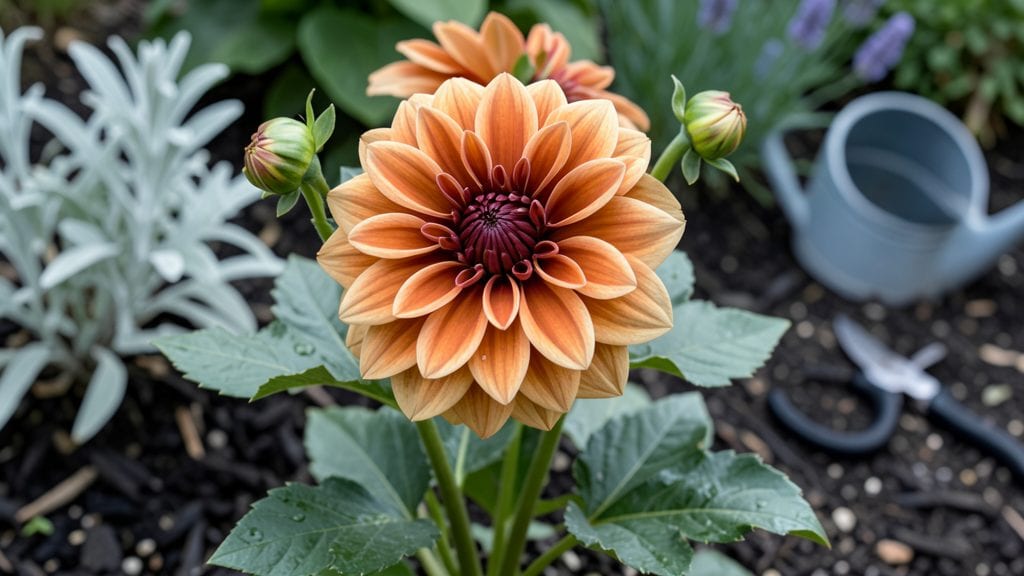
My squirrel prevention garden started after they unearthed every tulip bulb in my yard last spring. 🌱 The digging left my beds looking like a war zone, and I refused to let them win again.
These natural barriers don't just chase them away—they make your garden a place they won't even consider digging.
The key is combining what squirrels dislike with what they can't access. I use hard mulch alternatives like pine cones or gravel around high-value plants, plant deterrent varieties like daffodils and alliums (they hate the smell), and add physical barriers like chicken wire over vulnerable areas.
It's not about trapping or harming them—just outsmarting their digging instincts.
You'll end up with a garden that stays intact through winter, where bulbs bloom on schedule and fruit trees produce without getting raided. The best part? These methods work for years without chemicals, and your yard stays squirrel-free without turning into a fortress.
Let's get those burrowing pests out of your beds for good.
Works for flower beds, vegetable patches, and even lawn edges where squirrels dig for grubs. The same principles apply whether you're protecting tulips, strawberries, or newly planted trees. Here's how to build your squirrel-proof defense system step by step.
The Real Reasons Squirrels Invade Gardens
Squirrels are clever, energetic creatures with a knack for turning your carefully tended garden into their personal buffet. But why do they keep showing up? Understanding their motivations is the first step to creating a squirrel-proof garden that actually works. Let’s break down the science—and the sneaky strategies—behind their behavior.
Squirrels are opportunistic foragers, meaning they’ll eat almost anything—especially when natural food sources are scarce. Here’s why your garden becomes a target:
- Nut and Seed Obsession: In late summer and fall, squirrels stockpile food for winter.
If your garden has easy-access nuts, seeds, or bulbs (like tulips, daffodils, or sunflower seeds), they’ll dig them up faster than you can say “squirrel proof.” - Urbanization Shrinks Wild Food: As forests shrink, squirrels adapt by raiding gardens, bird feeders, and even trash cans.
A study in Urban Ecology found that squirrels in suburban areas rely 40% more on human-provided food than their wild counterparts. - Sweet & Crunchy Temptations: Fruits (especially soft ones like strawberries or peaches), vegetables (corn, beans, peas), and even decaying wood or bark can attract them.
Their teeth are built for gnawing—your garden’s tender shoots are just an appetizer.
Actionable Insight: If you want to deter squirrels naturally, remove their favorite snacks. Opt for squirrel-resistant plants (like marigolds, lavender, or daffodils—yes, they eat some bulbs too, but these are less appealing) and secure compost piles with wire mesh.
Squirrels don’t just dig for food—they’re also nest builders. Your garden might unknowingly offer the perfect hideout:
- Tree Cavities & Dense Shrubs: If you have loose bark, hollow trees, or thick shrubs, squirrels will nest there.
They prefer elevated, secluded spots to raise their young (kits) safely. - Attics & Underground Burrows: If your garden borders a structure, squirrels may dig tunnels under decks, sheds, or patios to create nests.
Their burrows can extend 3–5 feet deep and branch out like a maze. - Leaf Litter & Mulch Piles: A thick layer of leaves or mulch isn’t just for aesthetics—it’s a free hotel for squirrels. They’ll nest in it, especially if it’s near a food source.
Actionable Insight: Prune overgrown shrubs, remove leaf litter from garden beds, and seal gaps in structures with hardware cloth (not plastic mesh—squirrels chew through it!). If you have trees, inspect bark for hollows and consider nest boxes (placed high and away from your garden) to redirect them.
Squirrels are highly intelligent—ranking among the smartest rodents. Their brains are wired for novelty and challenge, which makes your garden a puzzle they love to solve:
- Foraging Behavior: They remember food locations and return to successful dig sites.
If they find a buried bulb or a hidden seed cache, they’ll mark the spot and keep coming back. - Tool Use & Manipulation: Some squirrels use rocks or sticks to crack open nuts or even open lids (like on trash cans).
If they see you planting something, they’ll watch and wait for the perfect moment to strike. - Social Learning: Squirrels learn from each other. If one discovers a weak spot in your fence or a tasty new plant, the whole neighborhood will know within days.
Actionable Insight: Rotate planting locations to confuse them, and avoid predictable patterns (like planting the same veggies in the same spot yearly). Use decoy plants (like fast-growing, squirrel-loved crops in a separate area) to distract them from your prized garden.
Human development has squeezed squirrels into urban and suburban areas, where gardens become their last resort. Here’s how we unintentionally encourage them:
- Lack of Natural Predators: In the wild, foxes, owls, and coyotes keep squirrel populations in check. But in gardens, predators are rare, so squirrels reproduce unchecked. - Water Sources: A birdbath, dripping hose, or even a shallow puddle can attract squirrels.
They need water to survive—and your garden’s moisture is a bonus. - Human Food Handouts: Bird feeders, pet food left outside, or even fallen fruit from trees create a squirrel buffet. Once they associate your yard with easy meals, they’ll defend it aggressively.
Actionable Insight: Remove water sources if possible, or use squirrel-proof bird feeders (weight-activated or cage-style). Never feed squirrels intentionally—it trains them to see your garden as a free meal.
Squirrels are territorial and will defend their dig sites—even if they’re in your garden. Here’s how they claim space:
- Scratching & Digging: They scratch trees and fences to mark territory with scent glands in their paws.
The more they dig, the more they reinforce their claim. - Chasing Off Rivals: If another squirrel (or even a chipmunk) gets too close to their food stash, they’ll fight aggressively.
This means more damage to your plants as they establish dominance. - Nocturnal Raids: While you sleep, squirrels dig and forage under cover of darkness. Their nighttime raids are often the most destructive because they go unnoticed until it’s too late.
Actionable Insight: Install motion-activated lights near high-traffic areas to startle them. Plant thorny barriers (like roses or barberry) to discourage digging, and secure trash cans to remove scent markers.
Squirrels aren’t trying to ruin your garden—they’re just following their instincts for survival. By understanding why they dig, nest, and raid, you can outsmart them with natural, long-term solutions that don’t rely on traps or chemicals.
The key? Make your garden less appealing than the alternatives. 🚫🐿️
Stop Squirrels from Ruining Your Garden
Now that you understand why squirrels are digging, burrowing, and stealing from your garden, it’s time to take action! 🚧 The good news? Most squirrel problems can be solved with a mix of physical barriers, natural deterrents, and smart landscaping.
Below, we’ve mapped out practical solutions for each common squirrel-related issue—plus prevention tips to keep them away for good.
Squirrels tunnel for nuts, grubs, or even just fun—and their digging can wreck your garden’s roots and soil.
🛠️ Solution:
- Install wire mesh barriers (¼-inch hardware cloth) 12–18 inches deep around garden beds, raised beds, and lawn edges. Bury the edges or fold them outward to prevent digging underneath.
- Use raised garden beds with squirrel-proof lids (like wire mesh or heavy-duty plastic) if you grow nuts, bulbs, or tender plants.
- Fill holes immediately with soil or sand—squirrels will keep digging if they sense empty spaces.
💡 Prevention Tips: ✔ Remove fallen nuts regularly—squirrels cache them, leading to more digging. ✔ Plant squirrel-resistant ground covers like clover or creeping thyme to discourage tunneling. ✔ Avoid overwatering—squirrels love moist soil for digging.
If squirrels are raiding feeders, stealing pet food, or snacking on your crops, they’ll keep coming back.
🛡️ Solution:
- Use squirrel-proof feeders with weight-activated perches or baffles (like the Squirrel Buster or Alexandra Hanging Feeder).
- Hang feeders at least 10 feet from trees and 6–8 feet off the ground—squirrels are less likely to jump that far.
- Switch to squirrel-resistant foods like nyjer seed (thistle) or sunflower chips (harder for them to crack).
- Apply pet-safe sprays (like Hot Sauce Pepper Spray or Squirrel Stop) around feeders and garden edges—squirrels hate spicy smells!
💡 Prevention Tips: ✔ Feed birds in the early morning—squirrels are less active then. ✔ Remove fallen seeds from under feeders to avoid attracting squirrels. ✔ Try squirrel guards (wire cones) on young trees to protect bark from chewing.
Squirrels love digging up tulips, daffodils, potatoes, and sweet potatoes—and they’ll eat or bury them.
🛡️ Solution:
- Plant bulbs in wire mesh cages (like bulb baskets) before planting—squirrels can’t dig through them.
- Use chicken wire or hardware cloth over freshly planted beds (secure with stakes).
- Apply granular repellents (like Bobby’s Liquid Fence) around planting areas—reapply after rain.
- Try squirrel-proof mulch, like pine cones or gravel, which squirrels dislike digging through.
💡 Prevention Tips: ✔ Plant squirrel-deterrent bulbs like daffodils or alliums—squirrels avoid their bitter taste. ✔ Scatter coffee grounds or cayenne pepper around planting areas (reapply weekly). ✔ Plant in late fall or early winter when squirrels are less active.
Young trees are a squirrel’s snack—especially maple, birch, and fruit trees.
🪓 Solution:
- Wrap tree trunks in tree guards (metal or plastic) to block chewing.
- Apply bitter apple spray or pet-safe tree repellent (like Tree Guard) to discourage gnawing.
- Hang squirrel baffles (like Squirrel Buster baffles) around the trunk to prevent climbing.
💡 Prevention Tips: ✔ Plant squirrel-resistant trees like oak, pine, or hawthorn—they’re less appealing. ✔ Keep grass short around trees—squirrels use long grass to hide and climb. ✔ Use motion-activated sprinklers (like ScareCrow) to startle squirrels away.
If squirrels are getting into garages, sheds, or attics, they’ll keep returning.
🔒 Solution:
- Seal all entry points with steel wool + caulk or hardware cloth (squirrels can chew through wood and soft metals).
- Install one-way exclusion doors (like Havahart) to let squirrels exit but not re-enter.
- Use ultrasonic repellents (like Neatmaster) near entry points—though effectiveness varies.
💡 Prevention Tips: ✔ Remove attic vents or gaps larger than ¼ inch—squirrels can squeeze through tiny spaces! ✔ Store pet food and trash in metal containers with tight lids. ✔ Keep bird feeders away from your house—squirrels will use them as a launchpad.
The best defense? Make your yard less inviting for squirrels while keeping it wildlife-friendly for other creatures.
🌱 Do This: ✅ Plant squirrel-deterrent plants like foxglove, lavender, or marigolds—their strong scents repel squirrels. ✅ Add natural predators (like owls or hawks) by installing perches or nesting boxes. ✅ Keep your yard clean and tidy—squirrels love clutter for nesting. ✅ Use motion-activated lights (like Solar-Powered Motion Lights) to startle them at night.
❌ Avoid This: ❌ Don’t rely on mothballs or poison—they’re ineffective and harmful to pets/kids. ❌ Don’t over-fertilize—rich soil attracts digging squirrels. ❌ Don’t ignore small problems—a few holes now can turn into a squirrel highway later!
Squirrels are smart and persistent, so layer your defenses:
- Physical barriers (mesh, guards, baffles)
- Natural repellents (sprays, plants, motion devices)
- Habitat modification (remove food sources, keep yard clean)
🔥 Test & Adjust: If squirrels find a weak spot, reinforce it immediately—they won’t give up easily!
With these practical, squirrel-proofing strategies, you’ll reclaim your garden—and keep those bushy-tailed bandits at bay. 🐿️🚫 Which method will you try first?
Frequently asked questions
What are the most effective squirrel-proof mulch alternatives?
Use pine cones, gravel, or crushed stone instead of traditional mulch. Squirrels dislike digging through these rough textures. For extra protection, layer hardware cloth beneath the mulch around high-value plants like bulbs or berries. This combo makes your garden feel like a no-dig zone!
Will planting daffodils really keep squirrels away?
Yes! Squirrels avoid daffodils (and alliums) because of their bitter taste. Plant them near vulnerable areas like tulip beds or vegetable patches. For best results, combine with physical barriers—squirrels are smart and may still dig around deterrent plants.
How deep should I bury hardware cloth to stop digging?
Bury it 12-18 inches deep around garden beds and 6 inches deep for lawn edges. Fold the edges outward at a 45-degree angle to prevent squirrels from tunneling underneath. Check for gaps regularly—squirrels can squeeze through surprisingly small openings.
Are motion-activated sprinklers humane for squirrel control?
Yes! These devices use water bursts (not harmful chemicals) to startle squirrels when they approach. Place them near entry points, feeders, or vulnerable plants. The sudden movement teaches squirrels to avoid your garden without harm.
Can I use coffee grounds as a squirrel repellent?
Sprinkle used coffee grounds around garden beds, tree bases, or compost piles. The strong smell masks food odors squirrels follow. Reapply every 1-2 weeks or after rain. For extra potency, mix with cayenne pepper.