
Tools
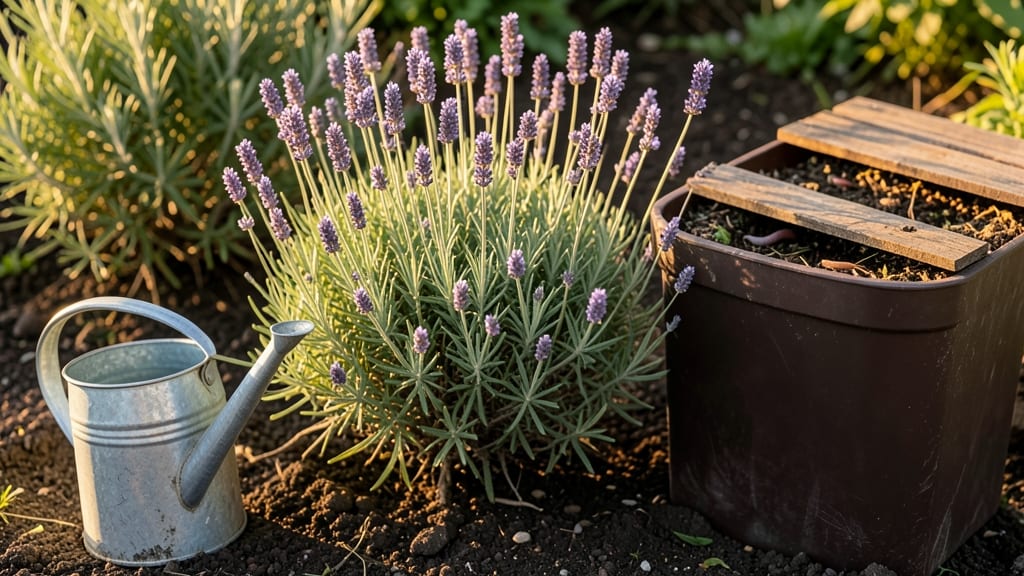
My sustainable garden supplies cut waste while keeping my yard thriving for years—no shortcuts, just tools that outlast trends and help the planet. 🌱 The shift started with a simple question: Why replace perfectly good tools when I could invest in durable, eco-friendly alternatives that actually improve my garden over time?
Think bamboo pruners that stay sharp for decades, recycled plastic pots that won’t leach toxins, and organic fertilizers made from composted kitchen scraps. These aren’t just "green" swaps—they’re upgrades that reduce landfill waste, conserve water, and build healthier soil.
The best part? Most can be sourced locally or made at home with a little creativity.
You’ll end up with a garden that feeds itself—less synthetic input, more natural resilience. The first year might feel like extra work, but by year three, you’re saving money and time while growing stronger plants. Plus, the satisfaction of knowing your tools are helping the environment? Priceless.
Works for any garden size—urban balconies, suburban yards, or rural homesteads. Here’s how to start building your long-term toolkit the right way.
📚 In This Guide
- What you need
- Instructions
- Tips and common mistakes
- Wrapping up and next steps
What you need
- ● Organic Compost: 2–3 cubic yards (for soil enrichment; opt for locally sourced, certified compost 🌿).
- ● Native Mulch: 1–2 bags (e.g., wood chips, straw, or leaf mold to retain moisture and suppress weeds).
- ● Reusable Containers: 5–10 (plastic-free options like clay pots, coconut coir pots, or recycled metal planters 🌱).
- ● Hand Tools: 1 ergonomic pruners (bypass pruners for clean cuts).
- ● 1 stainless steel trowel (for planting and soil work).
- ● 1 long-handled weeder (for deep-rooted weeds).
- ● Watering System: 1 drip irrigation kit (low-flow, adjustable nozzles to conserve water 💧).
- ● OR 1 rainwater collection barrel (50–75 gallon capacity).
- ○ Sustainable Fertilizers: 1 compost tea maker (optional but eco-friendly for nutrient boosts).
- ● 1 organic worm castings (5–10 lbs for natural soil enrichment).
- ● Solar-Powered Tools: Solar lights, solar-powered water pumps, or solar chargers for low-energy gadgets ☀️.
- ● Upcycled Garden Markers: Pebbles, sticks, or recycled glass bottles labeled with plant names (zero waste!).
- ● Seed Saving Kit: Paper envelopes or glass jars for storing seeds (promotes biodiversity 🌻).
- ● Eco-Friendly Pest Control: Neem oil spray (16 oz bottle).
- ● Ladybugs or praying mantis eggs (natural predators for pests).
- ● Location: A spot with 6+ hours of sunlight daily (check your USDA hardiness zone for plant suitability 🌎).
- ● Soil Test: pH test kit (to ensure your soil is optimal for plants; aim for 6.0–7.0).
- ● Local Regulations: Verify any restrictions on rainwater harvesting or composting in your area.
- ● Time Commitment: 1–2 hours weekly for maintenance (adjust based on garden size).
Step-by-Step guide to building a sustainable garden toolkit
Here’s how to curate a long-lasting, eco-friendly collection that cuts waste and boosts your gardening game.
🪴 Step 1: Start with Durable, Natural Materials
Skip plastic and opt for tools made from recycled metal, bamboo, or untreated wood. I swear by a copper watering can (it lasts forever and self-polishes) and a beechwood hand fork—both resist rust and breakage. Check for certifications like FSC-labeled wood or recycled aluminum to ensure minimal environmental impact.
Test durability by gripping the handle firmly—if it feels flimsy or coated in synthetic resins, put it back. A good rule: if it’s built to last 20+ years, it’s worth the investment. Look for brands that offer lifetime warranties or repair programs—these are your sustainability red flags.
☀️ Step 2: Choose Multi-Functional Tools
Replace single-use gadgets with versatile tools like a foldable pruner with interchangeable blades or a serrated-edge spade that doubles as a weeder. I keep a stainless steel trowel for planting and a magnetic soil knife to avoid digging through compacted earth. The goal? Eliminate clutter while covering all tasks.
Measure your garden’s needs first—if you’re working with 4 raised beds, a long-handled cultivator saves your back and reduces the need for multiple small tools. Store them in a repurposed wooden crate (no plastic bins) to keep them organized and protected from weather.
💧 Step 3: Add Low-Waste Watering Solutions
Ditch disposable hoses and invest in a rainwater collection system with a 5-gallon bucket and adjustable brass nozzle. I’ve seen terracotta pots with built-in water reservoirs that slowly hydrate plants—no electricity, no waste. For larger gardens, a drip irrigation kit made from recycled PVC delivers water efficiently without runoff.
Check for self-watering features or solar-powered timers to further reduce waste. If you’re hand-watering, use a glass spray bottle (for seedlings) or a copper watering can (for mature plants). The key is to eliminate plastic—every gallon of water saved is a gallon not polluting landfills.
✂️ Step 4: Incorporate Upcycled Containers and Accessories
Turn everyday items into garden helpers: mason jars become seed starters, pallet wood builds raised beds, and old tires (if properly lined) create vertical planters. I repurpose glass jars for compost tea brewing and aluminum cans as plant markers. Even broken terracotta pots can be crushed into mulch or used as drainage layers.
For storage, use burlap sacks instead of plastic bags or woven baskets to hold tools. Label everything with chalkboard tags (no plastic labels) and store them in a shed lined with cedar planks—it keeps pests out and tools dry without chemicals.
🌿 Step 5: Maintain Tools for Longevity
Clean metal tools with vinegar and baking soda (no harsh chemicals) and oil wooden handles with beeswax to prevent cracking. Sharpen blades with a whetstone instead of disposable sandpaper. I check my tools once a month for wear—replacing a $20 blade now saves buying a whole new pruner later.
Store tools indoors or under cover to extend their life. If you must leave them outside, use a cedar-lined tool rack to deter rust. The less you replace, the less waste you create—simple as that.
Tips & tricks for building a sustainable garden toolkit
A few simple strategies will help you create a toolkit that lasts for years while keeping your garden eco-friendly and efficient.
Material Matters: When selecting tools in Step 1, pay special attention to the handles. Untreated wood like beech or bamboo absorbs moisture better than synthetic handles, which can crack over time. For metal tools, look for stainless steel or recycled aluminum—these resist corrosion and last decades. I’ve found that tools with FSC-certified wood handles often have a smoother finish because they’re finished with natural oils rather than plastic coatings.
Multi-Functional Magic: In Step 2, don’t overlook the power of a good serrated-edge spade. This single tool can replace your weeder, edge trimmer, and even small transplanting tool. For 4 raised beds, I recommend a long-handled cultivator with a 5-tine design—it aerates soil beautifully and saves your back. Store these tools in a repurposed wooden crate with dividers made from scrap wood to keep them organized without plastic.
Watering Wisdom: The 5-gallon bucket in Step 3 is a game-changer for rainwater collection. Place it under a downspout with a fine mesh screen to keep debris out. For hand-watering, a glass spray bottle is perfect for seedlings—just make sure to rinse it thoroughly after each use to prevent mold. If you’re using a copper watering can, polish it occasionally with a mix of vinegar and baking soda to maintain its shine and prevent corrosion.
Upcycling Secrets: In Step 4, think outside the garden shed. Old aluminum cans make great plant markers—just clean them thoroughly and use a nail to poke drainage holes. For vertical planters, line old tires with heavy-duty landscape fabric to prevent soil from leaking out. Even broken terracotta pots can be crushed into mulch—just bake them at 200°F for 30 minutes first to kill any pathogens.
Pro Tips for Sustainable Garden Supplies
- A few simple strategies will help you create a toolkit that lasts for years while keeping your garden eco-friendly and efficient.
- Material Matters: When selecting tools in Step 1, pay special attention to the handles.
- Multi-Functional Magic: In Step 2, don’t overlook the power of a good serrated-edge spade.
Frequently asked questions
Got questions about sustainable garden supplies? You’re not alone! Here are some of the most common concerns—and straightforward answers—to help you make the best eco-friendly choices for your garden.
What are the most durable sustainable garden supplies?
Look for supplies made from reclaimed wood, recycled metals, or bamboo. Tools like Fiskars steel pruners, Rubbermaid compost bins, or Greenhouseworks rainwater barrels are built to last decades. Pair them with organic mulch or compostable plant pots for long-term sustainability.
Are sustainable garden supplies more expensive upfront?
Yes, but they save money long-term. A $50 bamboo rake might cost more than a $10 plastic one, but it won’t degrade in a season. Plus, many brands offer refurbished or secondhand options (check Facebook Marketplace or Etsy). Think of it as an investment in your garden’s future!
How do I know if a "sustainable" product is truly eco-friendly?
Check for certifications like FSC (Forest Stewardship Council), B Corp, or USDA BioPreferred. Avoid "greenwashing"—read labels for toxic chemicals (e.g., PVC in hoses) or vague terms like "natural." Ask brands about their supply chain and end-of-life disposal plans.
Can I repurpose old garden tools instead of buying new ones?
Sand and oil rusty metal tools
, replace worn handles with reclaimed wood, or upcycle plastic containers into planters. For broken items, donate or recycle through programs like Terracycle. DIY repairs extend their life—and reduce waste!
Do sustainable supplies work in all climates?
Most do, but extreme conditions (freezing winters, scorching summers) may require extra care. Opt for stainless steel tools in humid areas to prevent rust, and use treated cedar (not pressure-treated wood) for raised beds. Always store supplies in dry, covered spaces to maximize longevity.
What’s the easiest way to troubleshoot a failing sustainable tool?
Start with basic maintenance:
- Sharpen blades (use a whetstone for pruners).
- Tighten loose screws with a multi-tool.
- Clean metal parts with vinegar and baking soda to remove buildup.
- Replace worn handles—many brands sell universal grip replacements.
Wrapping up and next steps
Creating a sustainable garden isn’t just about the plants—it’s about the tools and supplies you use to nurture them. By choosing eco-friendly, long-lasting garden supplies, you reduce waste, save money, and support a healthier planet.
Every small step counts, and your garden can be a shining example of sustainability in action! 🌱
Ready to take the next step? Start by swapping out one non-sustainable tool this season—whether it’s a bamboo rake, a recycled plastic watering can, or a durable metal hand fork. Your garden (and the Earth) will thank you!