
Pests and Diseases
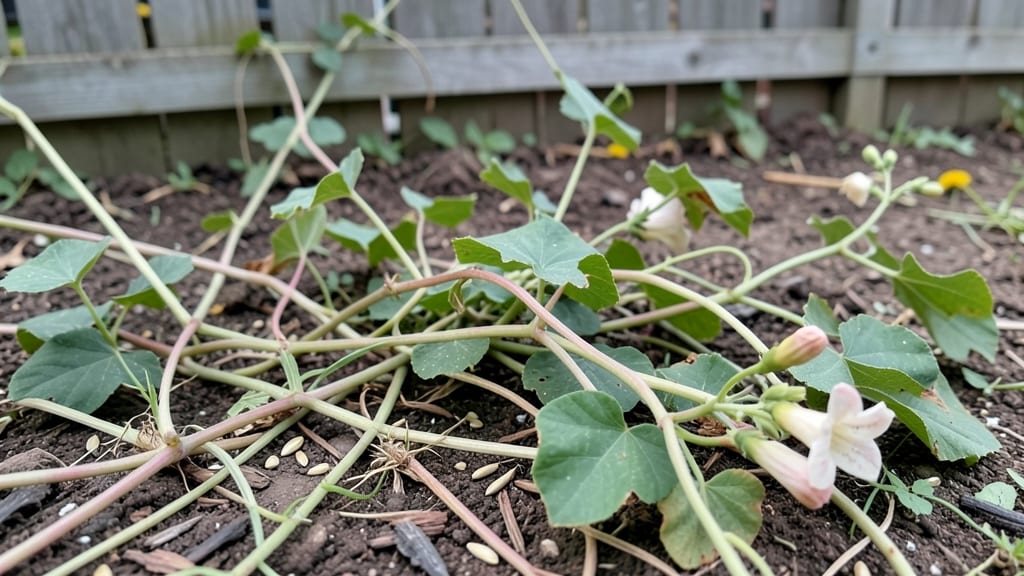
Tall garden weeds can turn your carefully tended garden into a jungle in weeks. I’ve watched them steal sunlight from my vegetables and strangle young plants—until I discovered this vinegar spray that works in hours, not days.
The key is timing and the right mix, but once you’ve used it, you’ll never reach for herbicide again.
Most gardeners assume tall weeds mean strong roots, but they’re actually desperate for water and nutrients. That’s why they shoot up fast—your garden’s resources are theirs for the taking.
A simple spray of vinegar, dish soap, and water cuts off their food supply instantly, leaving your plants to thrive without competition.
You’ll see results within 24 hours: wilting, then crispy brown stalks that crumble at the touch. The spray works best on sunny days when weeds are actively growing, and it’s safe for your soil once fully broken down.
No more digging or pulling—just a quick mist and let nature handle the rest.
Perfect for vegetable beds, flower borders, or any spot where weeds outcompete your plants. Here’s exactly how to mix it, when to apply, and what to avoid—so you can reclaim your garden without harsh chemicals.
The Hidden Triggers Behind Overgrown Plants
If your garden is suddenly overrun by towering, unruly growth, you’re not just dealing with a cosmetic issue—you’re witnessing a perfect storm of environmental and human factors working in favor of weeds. Understanding these triggers is the first step to reclaiming your space.
Let’s break down the science behind why some plants grow like they’re on a caffeine binge while your prized flowers struggle to keep up.
🌱 Soil nutrient imbalance: the fertilizer frenzy
Weeds thrive when your soil becomes a nutrient buffet. Many common weeds, like dandelions and crabgrass, are opportunistic growers that capitalize on disturbed or overly fertile soil. Here’s why:
- Excess nitrogen: Too much synthetic or organic fertilizer (especially high-nitrogen varieties) sends weeds into overdrive. They grow fast, crowding out slower, more delicate plants. Think of it like a fast-food meal for plants—quick calories, rapid growth, and a crash later.
- Poor soil structure: Compacted or clay-heavy soil prevents water and air from reaching deeper roots, forcing weeds to grow upward for sunlight. Loose, well-draining soil? Weeds still win—because they’re adapted to exploit any advantage.
- Lack of competition: When your desired plants are weak (due to disease, drought, or poor soil), weeds fill the gap. They’re like the roommates who move in when you’re away—efficient, aggressive, and hard to evict.
Actionable fix: Conduct a simple soil test (DIY kits are cheap!) to check pH and nutrient levels. Amend soil with compost or balanced organic matter to promote slow, steady growth in your plants—not weeds.
☀️ Sunlight starvation: the shady plot twist
Weeds don’t just tolerate shade—they love it. Many, like bindweed (morning glory) and lamium, are shade-tolerant opportunists that stretch toward any available light. Here’s the science:
- Photosynthesis hacking: Weeds have flexible stems and leaves that adjust to low light by growing taller and thinner. This is called etiolation, and it’s their secret weapon. Imagine a plant doing yoga to reach the sun—except it’s not graceful, it’s desperate.
- Competition for light: Dense plantings or overgrown shrubs block sunlight, creating micro-climates where weeds thrive. They’re like sneaky roommates who turn off the lights so they can hog the TV.
- Seed bank activation: Many weed seeds lie dormant until they sense reduced competition. Once the canopy opens (even temporarily), they germinate en masse.
Actionable fix:
- Thin out overcrowded plants to improve airflow and sunlight penetration.
- Use mulch (straw, wood chips) to block light from reaching weed seeds before they sprout.
- Plant fast-growing cover crops (like clover) in bare spots to outcompete weeds naturally.
💧 Water woes: the drip irrigation disaster
Watering habits can turn your garden into a weed paradise. Most weeds are drought-tolerant, but they’ll still take advantage of any moisture—even if it’s not ideal for your plants. Here’s how:
- Overwatering: Weeds like nutgrass and chickweed thrive in soggy soil because they’ve evolved to handle excess moisture. Overwatering also leaches nutrients, making soil even more inviting to weeds.
- Inconsistent watering: Drought-stressed lawns or gardens create bare patches, which weeds rush to fill. They’re like vultures circling a buffet—they spot weakness from a mile away.
- Poor irrigation practices: Sprinklers that wet sidewalks or driveways also seed weed patches. Water droplets can carry weed seeds from one area to another, spreading the problem.
Actionable fix:
- Switch to drip irrigation or soaker hoses to deliver water directly to plant roots, avoiding weed hotspots.
- Water deeply but infrequently (1–2 inches per week) to encourage deep root growth in your plants, not weeds.
- Use landscape fabric under mulch to block weed seeds while allowing water to penetrate.
🌍 Disturbed soil: the digging dilemma
Every time you till, dig, or aerate your soil, you’re essentially turning over an invitation party for weeds. Here’s why disturbed soil is a weed magnet:
- Seed bank activation: Weed seeds can lie dormant for years in the soil. Disturbing the top layer exposes them to light and air, triggering germination. It’s like waking up a hibernating bear—except the bear is a 10-foot-tall weed.
- Root competition reduction: Tilling cuts through existing plant roots, weakening their ability to compete. Weeds, with their shallow, aggressive root systems, move in to claim the space.
- Erosion and nutrient exposure: Disturbed soil loses structure, making it easier for weeds to anchor and spread. Their roots also break down soil clumps, creating the perfect seedbed.
Actionable fix:
- Avoid tilling—use hand-pulling or smothering techniques (like cardboard mulch) instead.
- Plant ground covers (like creeping thyme or clover) to protect soil from erosion.
- If you must till, do it in late fall to allow weeds to germinate and then kill them with frost before spring.
Pro Tip: 🌡️ Most weeds germinate in the first 72 hours after soil disturbance. If you’ve recently dug or tilled, act fast—cover the area with black plastic or thick mulch to starve out new sprouts before they take hold.
How to Fix Overgrown Garden Mess
Tall, unruly weeds don’t just steal the show—they steal your garden’s health, beauty, and even your peace of mind. 🌱⚔️ But with the right approach, you can reclaim your space without harsh chemicals or backbreaking labor.
Below, we’ve mapped out practical solutions tailored to the root causes of your weed woes, from prevention to quick fixes. Let’s get your garden back in control!
🔥 When Weeds Pop Up Fast: Speed-Clean Solutions
If your garden is already a jungle of towering weeds, act fast with these rapid-response tactics:
🍳 Vinegar Spray: The Natural Burn
For instant kill power, mix 1 gallon of white vinegar (5% acetic acid), 1 cup of salt, and 1 tbsp dish soap in a spray bottle. Target weeds on sunny days (vinegar works best in direct sunlight).
Spray until foliage is saturated, then watch them wilt in hours. ⚠️ Warning: Avoid spraying desirable plants—vinegar can harm them too!
👨🍳 Hand-Pulling: The Old-School Win
Grab a pair of gardening gloves and attack weeds at the base. For stubborn roots, use a hula hoe or a dandelion digger to loosen soil first.
Pull when soil is moist (early morning or after rain) for easier extraction. Pro tip: Pull weeds before they seed—one pulled weed = dozens prevented! 🌱🚫
🔪 Mowing or Trimming: The Low-Effort Hack
If weeds are too tall to tackle manually, mow them down with a string trimmer or lawnmower. This weakens them and prevents seed spread. Repeat weekly until they’re gone. Bonus: Chopped weeds can be composted (if seed-free) to enrich your soil later! ♻️
🌡️ When Weeds Keep Coming Back: Long-Term Fixes
If your garden is a repeat offender, dig deeper with these preventive strategies:
💡 Block the Sun: Mulch Like a Pro
Weeds thrive in sunlight—starve them out with a thick layer (3–4 inches) of organic mulch like wood chips, straw, or shredded leaves. Mulch suppresses weeds and retains moisture. Pro tip: Refresh mulch annually to maintain the weed-blocking barrier. 🌞🚫
🎯 Smother Them: Landscape Fabric or Cardboard
Lay down cardboard or thick newspaper (ink-side down) under mulch or plants to block light. For high-traffic areas, use landscape fabric (with holes for plants). This method works best in perennial beds or around shrubs. Warning: Remove fabric after 6–12 months to avoid soil suffocation.
🔥 Soil Health: Feed Good Plants, Not Weeds
Healthy plants outcompete weeds.
Improve soil with compost or organic fertilizer to give your flowers, veggies, and ground covers a fighting chance. Plant densely (e.g., clover or creeping thyme) to leave no room for invaders. Bonus: Try corn gluten meal (a natural pre-emergent) in early spring to stop weed seeds from germinating. 🌿💪
✨ When Weeds Spread via Seeds: Stop the Cycle
Prevent future generations of weeds with these seed-stopping tactics:
🌱 Pull Before They Seed
Most weeds produce seeds when mature. Remove them before they flower—especially dandelions, thistles, and lamb’s quarters. Pro tip: Wear gloves and dispose of weeds in the trash (not compost) to avoid reseeding. 🗑️🚫
🔪 Edge Your Beds: Create a Weed Barrier
Use edging tools to create a clean border between lawn and garden beds. This prevents grass and weed seeds from creeping in. For extra defense, install a metal or plastic edging strip 2–3 inches deep. 🏗️
🌡️ Solarize the Soil: Heat Treatment
For stubborn weed patches, solarization uses the sun’s heat to kill seeds and roots. Lay clear plastic over the area for 4–6 weeks in hot weather. The trapped heat cooks weeds and seeds—just remove and replant afterward. Best for: Bare soil or empty garden spots. ☀️🔥
💡 Prevention Checklist: Keep Weeds at Bay
Stay one step ahead with this easy maintenance routine:
- ✅ Water deeply but infrequently—weeds thrive in shallow, frequent moisture.
- ✅ Inspect new plants for hidden weed seeds before planting.
- ✅ Walk your garden weekly—early removal = less work later.
- ✅ Avoid over-fertilizing—rich soil = happy weeds (and plants).
- ✅ Use a mix of tactics—combine mulching, hand-pulling, and natural sprays for best results.
With these strategies, your garden will go from wild and woody to tidy and thriving in no time. 🌟 Start with one or two methods this weekend, and watch your hard work pay off!
Frequently asked questions
Why do tall weeds grow so quickly in my garden?
Tall weeds shoot up fast because they’re opportunistic—capitalizing on excess nutrients, sunlight, or disturbed soil. Think of them as garden vultures: they thrive when your plants are weak or when the soil is overfed. The vinegar spray works by cutting off their food supply instantly, so they wither within hours.
Is vinegar spray safe for all plants?
Vinegar can harm desirable plants too, so always test a small area first! Stick to spraying weeds directly on sunny days—the acidity works best under direct sunlight. Avoid spraying edible plants, young seedlings, or anything with delicate foliage. For extra safety, use a dropper bottle for precision.
How often should I reapply the vinegar spray?
One application usually kills most weeds within 24-48 hours, but spot-check for survivors after 3 days. For persistent patches, reapply every 5-7 days until the area is clear. Consistency is key—weeds may regrow if conditions remain favorable.
Will vinegar spray harm my soil?
Over time, vinegar’s acidity can lower soil pH, which might stress some plants. To balance it, mix in a handful of lime or wood ash after treating. For long-term use, alternate with mulching or hand-pulling to maintain healthy soil.
What’s the best time of day to apply the spray?
Early morning or late afternoon works best—avoid midday heat, which can cause the vinegar to evaporate before it takes effect. Weeds are also more vulnerable when soil is moist, so water lightly before spraying for better absorption.