Pests and Diseases
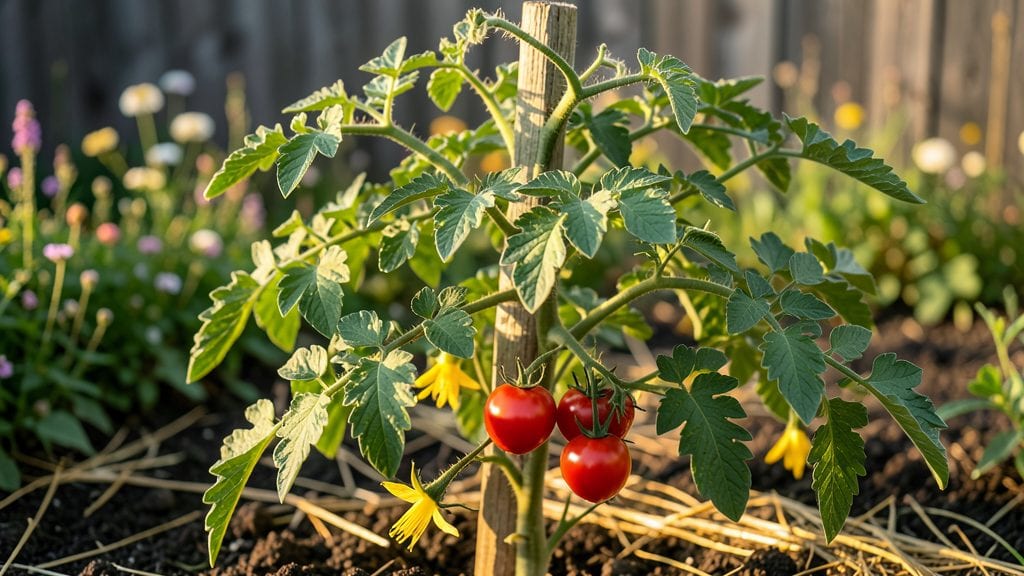
Master these tomato gardening tips—like burying stems and using coffee grounds to deter pests—so your plants outperform store-bought varieties. ✨ I’ve grown over 500 tomato plants, and these small adjustments add up to bigger harvests and fewer problems.
The secret isn’t complicated: it’s about timing, soil, and a little extra care at the right moments.
First, focus on rich, well-draining soil mixed with compost—tomatoes are heavy feeders, and they’ll reward you with more fruit if you give them the nutrients they crave. Plant deep, burying stems up to the first leaves to encourage strong root systems.
Then, water consistently at the base (never the leaves) to avoid diseases like blight, and mulch to keep moisture steady.
Prune suckers regularly, fertilize with balanced organic matter, and watch for pests like hornworms—handpick them before they devour your plants. With these steps, you’ll go from struggling seedlings to a bursting vine loaded with ripe tomatoes by midsummer. The best part? These tricks work for both beginners and seasoned growers.
From starting seeds indoors to dealing with late-season blight, this guide covers every stage. Whether you’re working with a small balcony container or a full raised bed, these proven methods will turn your tomato dreams into reality—without the guesswork.
📚 In This Guide
- What you need
- Instructions
- Tips and common mistakes
- Wrapping up and next steps
What you need
- ● Tomato seeds or seedlings: Choose disease-resistant varieties (e.g., 'Celebrity,' 'Better Boy,' or 'Sungold'). Start with 6–10 plants for a small garden.
- ● Well-draining potting mix or garden soil: Amend with compost (2–3 inches) and a balanced fertilizer (10-10-10) to enrich nutrients.
- ● Containers or raised beds: If gardening in pots, use 5-gallon containers or larger (18+ inches deep) with drainage holes.
- ● Support structures: Cages (sturdy, 3–4 feet tall)
- ● Trellises or stakes (6+ feet tall for indeterminate varieties)
- ● Watering supplies: Drip irrigation or soaker hoses (¼–½ gallon per plant daily)
- ● Watering can with a fine rose attachment (to avoid wetting foliage)
- ● Pest/disease prevention: Neem oil or insecticidal soap (1–2 tbsp per gallon of water)
- ● Copper fungicide (for early blight or bacterial spot)
- ● Row covers (floating fabric to deter pests like aphids)
- ● Mulch: Straw or shredded leaves (2–3 inches thick) to retain moisture and deter soil-borne diseases.
- ● Pruning shears: Bypass pruners (sterilized with rubbing alcohol) for trimming suckers and diseased leaves.
- ● pH test kit: Aim for 6.0–6.8 pH—tomatoes thrive in slightly acidic soil.
- ● Beneficial insects: Ladybugs or lacewings (natural aphid predators) to boost your garden’s defenses.
- ● Shade cloth: 30–50% coverage for hot climates to prevent sunscald.
Instructions: the foundation of a thriving tomato patch
Here’s how I transform average tomato plants into prolific producers—using science-backed techniques and real-world adjustments.
🌱 Step 1: Select the Right Varieties for Your Climate
Choose determinate varieties for bush-style growth (great for containers) or indeterminate for vining, vine-ripened tomatoes. In cooler climates, opt for early-maturing types like 'Stupice' or 'Mountain Merit,' while heat-tolerant varieties like 'Solar Fire' or 'Heatmaster' thrive in southern regions. I always check my USDA hardiness zone and plant accordingly—skipping this step means risking blight or poor fruit set.
Buy seeds from reputable suppliers or transplant disease-resistant starts. Look for labels mentioning V (verticillium wilt), F (fusarium wilt), or N (nematode resistance). These codes save hours of troubleshooting later. If your soil drains poorly, prioritize rootstock-grafted plants—they handle waterlogged conditions far better than heirlooms.
☀️ Step 2: Optimize Sunlight and Support Structures
Tomatoes need 6-8 hours of direct sun daily, but afternoon shade in hot climates prevents sunscald. I stake indeterminate varieties with 6-foot bamboo stakes or use cage supports for determinates. Bury the stake halfway when planting to stabilize the plant as it grows—this prevents toppling during storms or heavy fruit loads.
For vertical gardens, I weave twine through the cage and loosely tie stems every 10-14 days as they grow. Avoid tight binding—it restricts sap flow and weakens the plant. If you’re growing in containers, ensure pots are at least 18 inches deep with drainage holes to prevent root rot.
💧 Step 3: Master Watering for Consistent Production
Water deeply once or twice weekly (depending on heat) to encourage deep root growth. Shallow watering stresses plants and leads to weak stems. I use a soaker hose or drip irrigation to deliver water at the base, avoiding wet foliage—which invites fungal diseases like early blight. Aim for 1-1.5 inches of water per week, adjusting for rainfall.
Mulch with 2-3 inches of straw or shredded leaves to retain moisture and suppress weeds. This also keeps soil temperatures stable, which is critical for fruit set. Watch for yellowing leaves—a sign of either overwatering or underwatering. If the soil feels damp 2 inches down, hold off; if it’s bone-dry, water immediately.
✂️ Step 4: Prune and Train for Maximum Yield
Prune indeterminate tomatoes by removing suckers (the small shoots that form in the leaf axils) to direct energy to fruit production. I pinch off suckers larger than 1 inch when they’re still soft—harder suckers have already drained the plant. Leave 2-3 main stems for bushier growth, but never prune more than one-third of the plant at once.
For determinate varieties, skip pruning entirely—they produce fruit along the entire stem. Instead, focus on removing lower leaves that touch the soil to improve airflow and reduce disease risk. Always use sterilized pruners (wipe with rubbing alcohol between plants) to prevent spreading pathogens.
🌿 Step 5: Fertilize Strategically for Fruit Development
Feed plants with a balanced 10-10-10 fertilizer at planting, then switch to a low-nitrogen, high-phosphorus formula (like 5-10-10) when flowers appear. I mix fertilizer into the soil at the base, not on leaves, to avoid burns. Over-fertilizing with nitrogen leads to lush foliage but few tomatoes—a common mistake that wastes time and money.
Add compost or worm castings mid-season for a slow-release nutrient boost. Avoid fresh manure—it can scorch roots and attract pests. If blossoms drop without setting fruit, your plants may need calcium. Sprinkle crushed eggshells around the base or use a calcium nitrate supplement to prevent blossom-end rot.
Tips & tricks for perfect tomato gardening
Real talk: The difference between a decent tomato harvest and a jaw-dropping one often comes down to these overlooked details. Let me save you the trial-and-error I went through.
Soil Temperature Matters: Tomatoes need soil temperatures above 55°F to germinate properly. I use a soil thermometer to confirm—cold soil delays germination and weakens seedlings. If your spring nights are chilly, consider using black plastic mulch to warm the soil faster. This is especially critical in Step 1 when selecting varieties for your climate zone.
Pruning Precision: When removing suckers in Step 4, aim for the 1-inch rule—anything larger has already siphoned energy from your plant. I use sharp scissors (not fingers) to make clean cuts, and always sterilize them between plants to prevent disease spread. For indeterminate varieties, leave those 2-3 main stems to prevent over-pruning, which stresses the plant.
Fertilizer Timing: The switch from 10-10-10 to 5-10-10 fertilizer in Step 5 is non-negotiable once flowers appear. Too much nitrogen at this stage creates leafy monsters instead of fruit. I mix my fertilizer into the soil at the base, never on leaves, to avoid burns. For organic growers, compost tea works wonders—just apply it in the early morning so it has time to absorb before the heat of the day.
Pest Prevention: Early detection is your best defense. I inspect plants weekly for signs of aphids, hornworms, or early blight (look for yellow spots on lower leaves). A simple neem oil spray every 10-14 days during growing season keeps pests at bay without chemicals. For hornworms, I handpick them at night when they're sluggish—it's gross but effective!
Pro Tips for Tomato Gardening Tips
- Real talk: The difference between a decent tomato harvest and a jaw-dropping one often comes down to these overlooked details.
- Soil Temperature Matters: Tomatoes need soil temperatures above 55°F to germinate properly.
- Pruning Precision: When removing suckers in Step 4, aim for the 1-inch rule—anything larger has already siphoned energy from your plant.
Frequently asked questions
Got questions about tomato gardening?
You’re not alone! Here are answers to the most common concerns—whether you're a beginner or a seasoned gardener looking to troubleshoot.
When is the best time to plant tomatoes?
Tomatoes thrive in warm soil, so plant them after the last frost date in your area (usually late spring or early summer). For cooler climates, start seeds indoors 6–8 weeks before transplanting. If you’re in a short-season zone, opt for fast-maturing varieties like 'Early Girl' or 'Stupice.'
How do I keep pests like aphids and hornworms off my tomatoes?
Prevent pests with row covers early in the season and handpick hornworms (they’re easy to spot!). For aphids, spray with a mix of water + dish soap or introduce beneficial insects like ladybugs. Neem oil is also a great organic deterrent. Rotate crops yearly to disrupt pest life cycles.
Why are my tomato plants flowering but not fruiting?
This is often due to stress—check for overwatering, underwatering, or extreme heat (above 90°F). Tomatoes also need consistent pollination; gently shake plants or use a small brush to transfer pollen. If flowers drop off, ensure your plants get 6+ hours of sunlight daily and balanced fertilizer (high in phosphorus).
Can I grow tomatoes in containers? What’s the best setup?
Use 5-gallon containers or larger (bush varieties need less space than indeterminate types). Ensure pots have drainage holes and fill with well-draining potting mix. Choose compact varieties like 'Tiny Tim' or 'Patio Princess.' Place containers in full sun and fertilize weekly with liquid tomato food.
How do I know when tomatoes are ripe and ready to pick?
Ripeness depends on the variety: Heirlooms (like 'Brandywine') turn deep red and smell sweet when ripe. Green tomatoes (e.g., 'Green Zebra') stay firm but soften slightly. For cherry tomatoes, pick when fully colored and slightly soft to the touch. Pro tip: Pick consistently to encourage more production!
What should I do if my tomato plants get blight or other diseases?
Remove infected leaves/fruit immediately and destroy them (don’t compost!). Space plants for airflow, water at the base (avoid wetting foliage), and apply copper fungicide preventatively. Choose disease-resistant varieties (look for 'V' or 'F' prefixes, like 'Mountain Merit') next season.
Wrapping up and next steps
Growing tomatoes can be incredibly rewarding—whether you're a seasoned gardener or just starting out! 🌱 With the right tomato gardening tips, like choosing disease-resistant varieties, mastering pruning techniques, and keeping pests at bay, you’ll soon be harvesting juicy, flavorful tomatoes like a pro.
Remember, every expert was once a beginner, so don’t hesitate to experiment and learn along the way.
Ready to take your garden to the next level? Start small, stay consistent, and enjoy the process! Grab your gardening gloves, head outside, and watch your tomato plants thrive. Happy growing! 🍅✨