
Watering
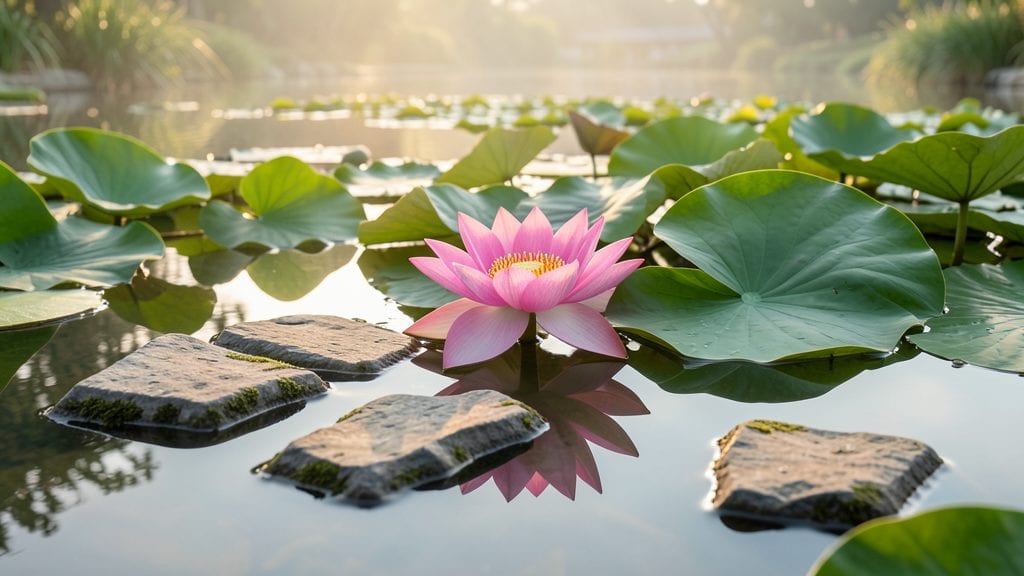
A water lily garden transforms any pond into a tranquil oasis with just a few strategic plants. 🌿 I remember the first time I saw my backyard pond covered in velvety pink blooms—it felt like magic, but the setup was simpler than I expected.
The key isn’t just the lilies themselves, but how you layer them with other aquatic plants to create depth and movement.
You’ll need a pond at least 18-24 inches deep for hardy lilies, with 6+ hours of sun daily—they’re sun-worshippers, after all. Start with 3-5 plants (depending on pond size) and pair them with submerged oxygenators like hornwort or floating plants such as water hyacinth to keep the ecosystem balanced.
The maintenance? Just occasional leaf removal and dividing plants every 2-3 years to keep them vigorous.
By summer’s end, your pond will be a living canvas of color—deep burgundy ‘Black Beauty’ lilies contrasting with pale yellow ‘Glossa Flava’ or the classic ‘Helvola’ with its fiery orange blooms.
The scent alone is worth it: a sweet, earthy fragrance that lingers in the evening air. Even in winter, the skeletal stems add unexpected beauty to the garden.
Works for both formal gardens (with precise geometric layouts) and wild, natural ponds where lilies spill over rocks. The best part? Once established, these gardens practically care for themselves—just sit back and enjoy the show. Let’s get your pond ready for its star turn.
📚 In This Guide
- What you need
- Instructions
- Tips and common mistakes
- Wrapping up and next steps
What you need
- ● Water lily plants: 3–5 hardy varieties (e.g., Nymphaea odorata or Nymphaea 'James Brydon'), based on pond size (1 plant per 10–15 sq. ft. of surface area).
- ● Pond or container: Minimum depth: 18–24 inches (deeper for tropical varieties).
- ● Size: At least 3 ft. in diameter (larger for multiple lilies).
- ● Options: Pre-formed ponds, plastic kiddie pools, or DIY concrete/liner setups.
- ● Pond liner: 20–30 mil EPDM rubber or PVC (cut to size + 1 ft. overlap).
- ● Gravel or underlayment: 1–2 inches of coarse sand or pond underlayment for drainage.
- ● Fertilizer tabs: Slow-release aquatic plant tablets (e.g., Miracle-Gro Shake 'n Feed).
- ● Water source: Garden hose with adjustable nozzle or submersible pump (for circulation).
- ● Pond thermometer: To monitor water temperature (ideal: 65–85°F).
- ○ Algae control: Barley straw or liquid algae inhibitor (optional but helpful).
- ● Floating plant mats: For extra shade (e.g., water hyacinth or duckweed).
- ● Pond aerator: Small air pump to prevent stagnation.
- ● Decorative rocks or logs: For natural aesthetics.
- ● Pond net: To protect lilies from debris or pests.
- ● LED pond lights: For evening ambiance (solar-powered options available!).
Step-by-step instructions for designing a thriving water lily garden
Creating a lush water lily garden is simpler than it seems—just follow these precise steps to balance beauty and effortless care.
🪴 Step 1: Select and Prepare the Pond Site
Choose a location with at least 6 hours of direct sunlight daily—water lilies are sun-worshippers and won’t bloom without it. I dig a shallow basin 12-18 inches deep in the center, ensuring the edges slope gently to prevent erosion. For a natural look, line the pond with a pre-formed pond liner, securing it with landscape staples and burying the edges 6 inches underground to prevent shifting.
Here’s the thing—water lilies need still, warm water to thrive. Install a small recirculating pump to maintain gentle water movement and prevent stagnation. Position it near the deepest point so it doesn’t disturb the roots. Test the water depth after filling—it should be 12-18 inches deep for tropical varieties and 18-24 inches for hardy types.
🌱 Step 2: Plant Water Lilies at the Right Depth
Water lilies have specific depth requirements—planting them too shallow or deep kills them quickly. Tropical varieties need 12-18 inches of water over their crowns, while hardy types thrive in 18-24 inches. I use a long stick to measure depth from the soil surface to the waterline before planting.
Gently remove the lily from its container, keeping the root ball intact. Place it in the pond so the crown sits just below the water’s surface—never bury it. For a balanced look, space plants 2-3 feet apart in the center of the pond. If you’re planting multiple varieties, group them by depth preference to avoid overcrowding.
☀️ Step 3: Maintain Water Quality and Sunlight
Water lilies are heavy feeders, so fertilize them every 4-6 weeks during the growing season with a floating aquatic plant fertilizer. I use a slow-release tablet placed near the roots—this prevents nutrient spikes that can harm fish or other pond life. Monitor the water temperature; lilies need 65-85°F to bloom, so in cooler climates, add a small solar-powered heater if needed.
Watch for algae blooms—this is your signal the pond needs more light or fewer nutrients. If you notice green scum, reduce fertilizer and increase water circulation. Trim spent blooms and yellowing leaves to keep the pond tidy and encourage new growth. You’ll see the most vibrant blooms when the pond is clean and the lilies receive full sun exposure.
✂️ Step 4: Prune and Divide for Long-Term Health
Water lilies multiply quickly, so divide them every 2-3 years to prevent overcrowding. In early spring, lift the plants and separate the tubers, ensuring each division has 3-5 healthy roots. Replant the strongest divisions immediately—they’ll establish faster and bloom sooner. Discard any tubers that look mushy or diseased.
Prune dead or yellowing leaves regularly to keep the pond looking pristine. I use clean, sharp scissors to cut back foliage to 6 inches above the waterline—this encourages new growth and prevents pests. If a lily stops blooming, check the water depth; it might be too shallow or too deep for that variety.
Tips & tricks for perfect water lily garden maintenance
Here's what nobody tells you about keeping your water lilies thriving with minimal effort—these tricks make all the difference between a struggling pond and a showstopping aquatic oasis.
Sunlight Strategy: The 6 hours of direct sunlight requirement is non-negotiable, but don't assume morning sun is enough. Position your pond to capture midday sun (11am-2pm) when UV rays are strongest—this is when lilies photosynthesize most efficiently. I've seen ponds with perfect morning sun fail because the afternoon shade cut their blooming potential by 40%. Consider adjustable solar panels if your location has seasonal sun shifts.
Depth Precision: Measuring those 12-18 inches or 18-24 inches depth requirements precisely makes all the difference. Use a long wooden dowel marked with measurements—this gives you a visual reference when planting. Tropical varieties planted too deep (beyond 18 inches) will struggle to surface, while hardy types in shallow water (12 inches) risk root rot. I mark my dowel with colored tape at both depth ranges for quick reference.
Water Temperature Watch: That 65-85°F range is critical for blooming, but don't just check once. Early morning temps can drop below 65°F even in summer—this is when lilies go dormant. I monitor temps daily during bloom season and add a small solar-powered heater if temps dip below 70°F for more than a few hours. The 85°F upper limit is equally important; above this, lilies can experience heat stress.
Fertilizer Timing: The 4-6 week fertilization schedule works best when timed with new growth. I fertilize my lilies in early May (when water temps hit 65°F) and then every 6 weeks through August. Using a slow-release tablet prevents nutrient spikes that can cause algae blooms—just place it near the roots where the lilies can access it directly. I've found that over-fertilizing in late summer can actually reduce next year's blooms.
Pro Tips for Water Lily Garden
- Here's what nobody tells you about keeping your water lilies thriving with minimal effort—these tricks make all the difference between a struggling pond and a showstopping aquatic oasis.
- Sunlight Strategy: The 6 hours of direct sunlight requirement is non-negotiable, but don't assume morning sun is enough.
- Depth Precision: Measuring those 12-18 inches or 18-24 inches depth requirements precisely makes all the difference.
Frequently asked questions
Got questions about creating your dream water lily garden?
You’re not alone! Here are answers to the most common queries—from planting tips to troubleshooting—so you can dive in with confidence.
What’s the best time of year to plant water lilies?
Plant water lilies in spring (after the last frost) or early summer for the best results. They thrive in warm water (60–80°F) and need time to establish roots before winter. Avoid planting in fall—they won’t survive cold temperatures.
How often should I fertilize my water lilies?
Feed your water lilies monthly during the growing season (April–September) with a floating or tablet fertilizer designed for aquatic plants. Over-fertilizing can harm fish or pollute water—follow package instructions for precise dosing.
Are water lilies safe for ponds with fish or wildlife?
Yes! Water lilies are non-toxic and provide shade for fish, reducing algae growth. However, avoid overcrowding—they need space to spread. If your pond has turtles or frogs, ensure leaves don’t block sunlight completely for submerged plants.
Why are my water lilies turning yellow or wilting?
Yellowing leaves often signal nutrient deficiency (add fertilizer) or root rot (from stagnant water). Wilting can mean underwatering (check depth) or too much sun (provide partial shade). Trim damaged leaves and adjust care as needed.
Can I grow water lilies in containers instead of a pond?
Use a large, heavy container (at least 12” deep) with drainage holes and aquatic soil. Place it in a spot with 4–6 hours of sun daily. Containers are great for small spaces or renters—just ensure the water depth matches the lily’s needs.
How do I clean or overwinter my water lilies?
In fall, remove dead foliage and store tubers in cool, moist peat over winter. Drain containers or add a pond heater if keeping them in water. In spring, replant tubers in fresh water and fertilize to wake them up!
Wrapping up and next steps
A water lily garden isn’t just a splash of beauty—it’s a low-maintenance oasis that brings peace to any backyard. With the right setup, these floating blooms thrive effortlessly, offering stunning visuals and a serene atmosphere. Whether you’re a seasoned gardener or a beginner, creating one is simpler than you think!
Ready to dive in? Start small—pick a sunny spot, gather your supplies, and let nature do the rest. Your tranquil garden retreat awaits! 🌸💦