
Watering
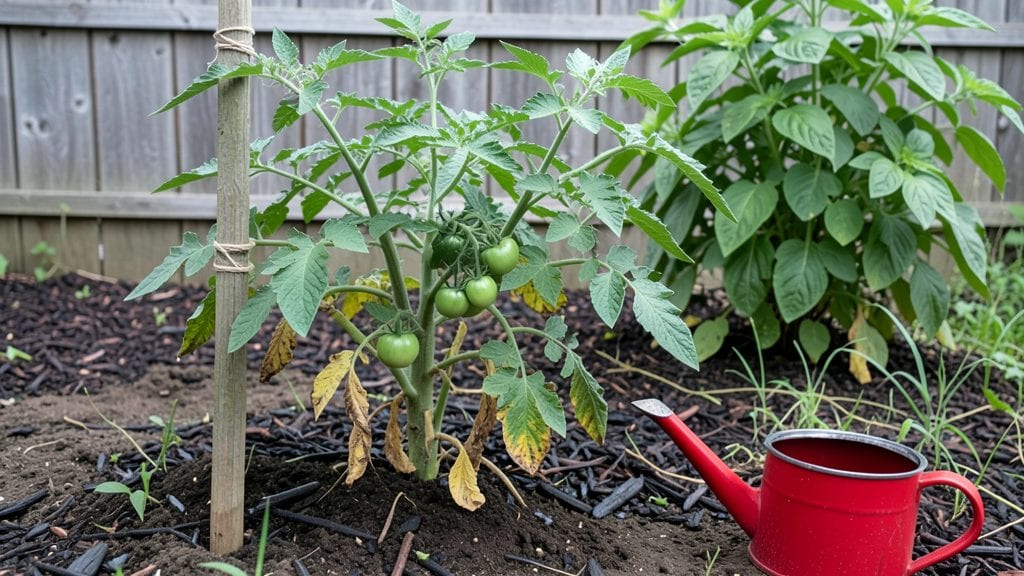
Watering your vegetable garden right means the difference between lush harvests and wilted disappointment. I’ve learned that timing, depth, and technique matter more than just turning on the hose—especially when my tomatoes start sagging by noon.
The key is consistency: water deeply in the morning so roots drink up what they need before the heat kicks in.
You don’t need fancy tools—just a trowel, a rain gauge, and a little patience. Check soil moisture by sticking your finger an inch down; if it’s dry, it’s time. Drip irrigation saves water and keeps leaves dry, but overhead sprinklers work in a pinch for quick soakings.
The goal is to keep roots moist but never soggy—veggies like carrots and lettuce hate wet feet, while tomatoes and peppers thrive with steady hydration.
By mastering this, you’ll see stronger stems, sweeter fruit, and fewer pests crawling in for a drink. My zucchini went from sad to prolific once I adjusted to morning watering—now they’re the talk of the neighborhood.
The payoff is worth the effort, and you’ll spot over- or under-watering before it’s too late.
Works for any garden size, from raised beds to sprawling plots. Let’s get those roots drinking right—your future salads depend on it.
📚 In This Guide
- What you need
- Instructions
- Tips and common mistakes
- Wrapping up and next steps
What you need
- ● Watering Can (5-10 gallons) – Look for one with a rose attachment for gentle, deep watering.
- ● Hose with Adjustable Nozzle – A showerhead or soaker nozzle prevents soil erosion.
- ○ Drip Irrigation Kit (Optional but Recommended) – Saves water and delivers moisture directly to roots.
- ● Watering Timer (Smart or Mechanical) – Automates schedules (e.g., 2-3 cycles/day for most veggies).
- ● Rain Gauge or Tipping-Bucket Rain Sensor – Tracks rainfall to avoid overwatering.
- ● Garden Gloves & Kneeling Pad – Protects hands and knees during setup.
- ● Well-Draining Soil – Test soil moisture 1-2 inches deep before watering.
- ● Morning Watering Schedule – Aim for early morning (6-10 AM) to reduce evaporation.
- ● Mulch (Straw or Wood Chips) – Retains moisture and regulates soil temp.
- ● Know Your Plants’ Needs – Leafy greens (e.g., lettuce) need 1 inch/week; root veggies (e.g., carrots) prefer deep, infrequent watering.
- ● Collect Rainwater – Use barrels to reduce water bills and avoid chemicals.
- ● Group Plants by Water Needs – Cluster high-thirst plants (e.g., tomatoes) together.
- ● Check for Pests – Damp soil attracts slugs; water at the base, not overhead.
Instructions for watering a vegetable garden like a pro
Mastering watering is the secret to a productive vegetable garden—here’s how to do it right every time.
Water Deeply at Planting Time
When you first plant your vegetables, give them a thorough soaking to settle the soil around roots. Use 1-2 gallons of water per plant for small vegetables like lettuce or herbs, and 3-4 gallons for larger plants like tomatoes or peppers. This initial watering helps eliminate air pockets and encourages roots to spread outward instead of staying shallow.
You’ll know you’ve watered enough when the soil feels moist 6 inches deep. Stick your finger into the soil—if it’s damp at that depth, you’ve done it right. Avoid shallow watering, which only wets the surface and forces roots to stay near the top, making plants more vulnerable to drought stress.
Establish a Consistent Watering Schedule
Vegetables thrive on consistency—aim to water 1-1.5 inches per week, either all at once or split into 2-3 sessions. Early morning is ideal because it reduces evaporation and gives plants time to absorb moisture before the heat of the day. If you water in the evening, avoid wetting the leaves to prevent fungal diseases like powdery mildew.
Check soil moisture daily by lifting a plant gently—if it feels light and the soil is dry 1-2 inches down, it’s time to water. Mulching with 2-3 inches of organic material (like straw or grass clippings) helps retain moisture and keeps roots cool. This means you’ll water less frequently but more deeply each time.
Adjust for Weather and Plant Needs
Hot, dry days mean your garden will need extra water—watch for wilting leaves or soil pulling away from container edges as signs it’s time to hydrate. Leafy greens like spinach and kale need more frequent watering (every 2-3 days), while root crops like carrots and potatoes prefer less frequent but deeper watering (every 5-7 days). Tomatoes and peppers, on the other hand, benefit from steady moisture—let the top inch of soil dry out between waterings to prevent blossom-end rot.
If rain is in the forecast, hold off on watering to avoid over-saturating the soil. A good rule of thumb: 1 inch of rain counts as 1 inch of water, so you can reduce your scheduled watering by that amount. Always water at the base of the plant, not overhead, to keep foliage dry and healthy.
Monitor and Troubleshoot Common Issues
Yellowing leaves or crispy edges often signal overwatering or underwatering. If the soil feels soggy or smells musty, your plants are getting too much water—cut back immediately and let the top layer dry out before watering again. On the flip side, if leaves curl or plants look droopy, they’re thirsty. A quick deep watering should revive them within a few hours.
Watch for puddling or runoff—this means the water isn’t absorbing properly. Amend the soil with compost or adjust your watering technique to apply water more slowly. Drip irrigation or soaker hoses are great tools for delivering water directly to the roots without waste. If you’re using a sprinkler, water early in the morning to minimize evaporation and disease risk.
Wind Down Watering as Harvest Approaches
As your vegetables near maturity, reduce watering slightly to 1 inch per week to improve flavor and texture. Overwatering at this stage can dilute nutrients and make produce watery. For example, tomatoes and cucumbers will taste sweeter if they experience mild stress in the final weeks before harvest. Just don’t let the soil dry out completely—wilting at this stage can stunt growth or cause fruit to split.
Pull back on watering 1-2 weeks before harvesting root crops like carrots or beets. This helps clean the soil from their skins, making them easier to wash. For leafy greens, keep the soil evenly moist until you’re ready to pick. Always water in the early morning so plants have time to dry off before nightfall, reducing the risk of fungal infections.
Tips & tricks for perfect vegetable garden watering
A few simple techniques can transform your garden from struggling to thriving. Here's what I've learned after years of trial and error.
Soil Depth is Everything: When checking soil moisture in Step 1, don't just test the surface. Use a long screwdriver or soil probe to verify moisture at that critical 6-inch depth. I've seen gardeners water daily only to discover their plants were still thirsty because they weren't checking deep enough. For container gardens, check until you feel moisture at the bottom of the pot.
Watering Timing Secrets: The early morning recommendation in Step 2 isn't just about evaporation—it's about giving plants time to absorb moisture before the heat of day. I've noticed that watering at 6-8 AM gives my tomatoes and peppers enough time to dry their leaves completely by evening, dramatically reducing fungal risks. If you must water in the evening, finish at least 3 hours before sunset to allow foliage to dry.
Plant-Specific Adjustments: Remember how Step 3 mentions different needs for leafy greens versus root crops? I keep a simple chart by my garden showing each plant's ideal watering frequency. For example, my basil gets watered every other day while my potatoes only see water every 7 days. This prevents both overwatering and underwatering issues that can stunt growth or cause rot.
Mulch Makes All the Difference: The 2-3 inches of mulch mentioned in Step 2 isn't just for moisture retention—it's also a temperature regulator. I've seen soil temperatures vary by 20°F between mulched and unmulched areas. In hot climates, mulch keeps roots cool, while in cooler areas, it helps maintain soil warmth. Plus, it dramatically reduces watering frequency by locking in moisture.
Pro Tips for Watering Vegetable Garden
- A few simple techniques can transform your garden from struggling to thriving.
- Soil Depth is Everything: When checking soil moisture in Step 1, don't just test the surface.
- Watering Timing Secrets: The early morning recommendation in Step 2 isn't just about evaporation—it's about giving plants time to absorb moisture before the heat of day.
Frequently asked questions
Got questions about keeping your veggie patch hydrated? You’re not alone!
Here are some of the most common concerns—and straightforward answers—to help you water like a pro.
How often should I water my vegetable garden?
Most vegetables need 1–1.5 inches of water per week, including rainfall. Water deeply 2–3 times per week (early morning is best) to encourage strong root growth. Shallow, frequent watering leads to weak plants—stick to the "drip irrigation" method (slow and steady!). Pro tip: Check soil moisture by digging 1–2 inches deep; if it’s dry, it’s time to water.
What’s the best time of day to water my garden?
Watering between 6 AM and 10 AM reduces evaporation and fungal diseases (like powdery mildew). Avoid evening watering—wet foliage overnight invites pests and mold. If you must water later, aim for drip irrigation to minimize leaf wetness.
Can I use rainwater or graywater for my vegetable garden?
Rainwater is chemical-free and ideal for edibles. Graywater (from sinks/showers) is safe if it’s untreated (no soap, bleach, or grease). Avoid water from dishwashers or laundry machines—these can contain harmful residues. Set up a rain barrel or divert downspouts to your garden for free, eco-friendly hydration.
Why are my vegetable leaves turning yellow or wilting after watering?
Yellowing leaves often signal overwatering (roots suffocate) or underwatering (roots dry out). Wilting can also mean root rot (from soggy soil) or transplant shock (new plants need extra care). Check soil moisture, improve drainage with compost, and water consistently. Troubleshoot: If soil feels mushy, skip watering for a few days and let it dry slightly.
How do I adjust watering for extreme heat or drought?
During heatwaves, increase frequency to daily watering (early morning only) and use mulch (straw or wood chips) to retain moisture. For drought-prone areas, drip irrigation or soaker hoses deliver water directly to roots, reducing waste. Group plants with similar needs (e.g., tomatoes + peppers) to simplify adjustments.
Wrapping up and next steps
Mastering the art of watering your vegetable garden is all about consistency, timing, and understanding your plants’ needs. By following the right techniques—like deep watering, mulching, and adjusting for weather—you’ll set your garden up for lush growth and bountiful harvests. 🌱
Now that you’re armed with the knowledge, roll up your sleeves and get hands-on! Start with a small patch, observe how your plants respond, and refine your approach. Every drop of water is an investment in your future harvests—so water wisely, and watch your garden thrive! 💧✨