
Planting
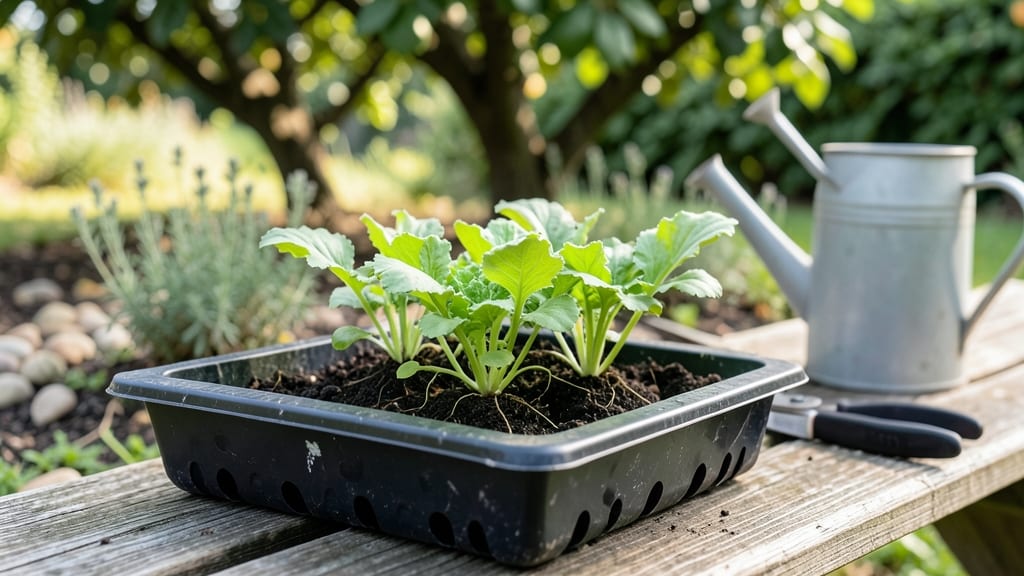
Sowing in gardening means planting seeds to grow new plants, whether directly in the soil or in containers. It’s the first step in cultivating vegetables, flowers, or herbs from seed, often requiring proper spacing, depth, and soil conditions for optimal success.
When you sow seeds, you're essentially kickstarting a plant's life cycle by placing them in the right conditions to germinate and grow. 🌱 The process relies heavily on three key factors: moisture to activate the seed's enzymes, warmth to speed up metabolic activity, and light (or its absence) depending on the plant type.
For example, cool-season crops like lettuce often germinate better in cooler temperatures, while warm-season plants like tomatoes need heat to break dormancy.
Understanding these needs helps you time your planting correctly—whether you're starting seeds indoors for a head start or sowing directly into garden beds. Many gardeners use seed trays or biodegradable pots for controlled environments, while others prefer the simplicity of scattering seeds outdoors once the soil is workable.
💡 In This Article
- How Seed Sowing Works in Plant Development
- Best Sowing Techniques for Gardeners by Plant Type
How seed sowing works in plant development
When you sow seeds, you're triggering a complex biological process called germination, where the dormant embryo inside the seed awakens and begins growing. The seed's outer layer, called the testa or seed coat, acts as a protective barrier that regulates water and oxygen intake.
Once moisture penetrates this layer, it activates enzymes that break down stored nutrients in the endosperm, providing energy for the embryo to sprout. This process typically requires soil temperatures between 60-85°F, though some seeds need specific conditions—like tomatoes, which prefer 70-85°F—to germinate successfully.
The seed's response to light is equally critical. Some seeds, like lettuce or spinach, are photoblastic, meaning they need light to germinate effectively. Others, such as peas or beans, germinate better in darkness and may even fail if exposed to light too soon.
The embryo's root (radicle) emerges first, anchoring the seedling and absorbing water, while the shoot (plumule) follows, pushing upward toward light. This dual growth pattern ensures the young plant establishes itself before photosynthesizing.
Timing your sowing based on plant type is crucial for success. Cool-season crops, like kale or carrots, thrive when soil temperatures are 50-65°F and can even tolerate light frosts. In contrast, warm-season plants, such as peppers or cucumbers, need soil temperatures above 65°F to germinate and grow properly.
Sowing too early or too late can lead to poor germination rates or stunted growth, as the seed's metabolic processes slow down in unfavorable conditions. 🌱
Here’s what’s happening under the soil: The seed absorbs water through tiny pores in its coat, swelling as it rehydrates. This triggers the production of gibberellins, a class of plant hormones that signal the seed to break dormancy.
The radicle grows downward, while the plumule stretches upward, a process driven by cell division and elongation. For instance, a marigold seed might germinate in 7-14 days under ideal conditions, while a bean seed can sprout in just 5-10 days, demonstrating how seed structure and species influence timing.
Light also plays a role in seedling development after germination. Once the shoot emerges, it seeks light for photosynthesis, a process that converts sunlight into energy. Without adequate light, seedlings become etiolated—long, weak, and pale—because they stretch toward any available light source.
This is why starting seeds indoors with grow lights or transplanting them outdoors at the right time is essential for strong, healthy growth. The interplay of moisture, temperature, and light ensures the seedling transitions smoothly from relying on stored nutrients to producing its own food.
What most gardeners don’t realize is how sensitive seeds are to their environment during this early stage. Even minor fluctuations in temperature or moisture can disrupt germination. For example, tomato seeds may rot if kept too damp, while carrot seeds need consistent moisture to prevent crusting over.
Understanding these nuances helps you create the perfect conditions for each type of seed, whether you're sowing directly into garden beds or using seed trays for controlled indoor growth. ✨