
Fertilization
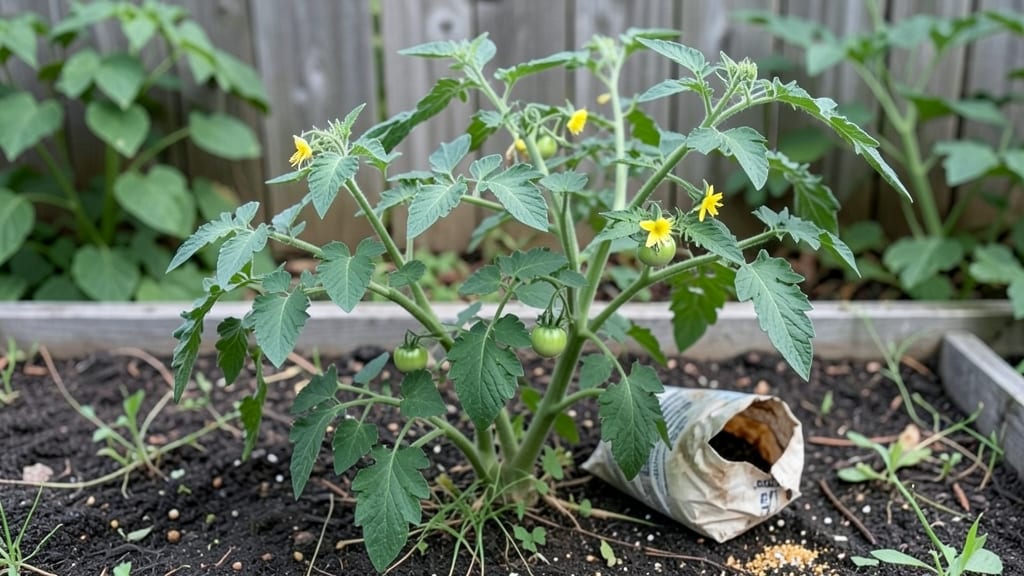
Fertilizing a vegetable garden depends on soil health, plant type, and growth stage: apply pre-planting when soil is bare, side-dress leafy greens mid-season, and use low-nitrogen fertilizer for fruiting plants like tomatoes. Soil tests determine exact timing and nutrient needs.
Timing matters because your plants' needs shift dramatically as they grow. 🌱 Leafy greens like spinach or kale thrive with a mid-season nitrogen boost to fuel rapid foliage growth, while fruiting plants such as peppers or cucumbers actually need less nitrogen and more phosphorus to develop strong roots and produce abundant harvests.
I’ve found that organic options like composted manure or bone meal let you fine-tune applications based on what your soil test reveals—no guesswork involved.
Don’t overlook seasonal cues: cool-season crops like broccoli or carrots benefit from early spring or fall fertilization, while heat-loving tomatoes and squash prefer feeding after soil warms to 60°F.
The key is matching fertilizer type to your garden’s current phase—whether it’s establishing roots, flowering, or setting fruit—so you’re not wasting nutrients or stressing your plants with too much at the wrong time.
💡 In This Article
- Soil Testing and Nutrient Timing for Vegetable Gardens
- Fertilizer Schedules for Common Vegetable Types
Soil testing and nutrient timing for vegetable gardens
Soil tests reveal the exact balance of nitrogen (N), phosphorus (P), and potassium (K) your garden needs by analyzing soil pH and nutrient availability.
A lab test measures parts per million (ppm) of these elements—ideal levels sit around 25-50 ppm N, 15-30 ppm P, and 100-200 ppm K for most vegetables. Nitrogen fuels leafy growth, phosphorus strengthens roots and flowers, while potassium regulates water and disease resistance.
The test also shows micronutrient deficiencies (like zinc or magnesium) that synthetic fertilizers can't fix, which is why organic options often require more frequent adjustments.
Pre-planting fertilization aligns with root development because young plants need phosphorus to establish strong root systems before they focus on foliage or fruit. Think of it like building a foundation—if you skip this step, your plants will struggle to absorb water and nutrients later.
Mid-season side-dressing with nitrogen-rich amendments (like alfalfa meal) targets leafy greens, while fruiting plants actually need less nitrogen at this stage. The science here is about plant growth stages: nitrogen drives vegetative growth, phosphorus triggers flowering, and potassium supports fruit maturation.
Organic fertilizers like compost or manure release nutrients slowly, requiring more frequent applications (every 4-6 weeks) compared to synthetic granules that dissolve quickly. This matters because organic options improve soil structure over time, while synthetics provide an immediate but short-lived boost.
For example, compost tea adds microbial activity that breaks down nutrients gradually, while a 10-10-10 NPK synthetic fertilizer delivers a quick but temporary spike.
Seasonal adjustments are critical too—cool-season crops (like lettuce) need feeding in early spring or fall, while warm-season plants (like peppers) should wait until soil reaches 65°F.
Here's what most gardeners miss: soil tests also show cation exchange capacity (CEC), which tells you how well your soil holds nutrients. Sandy soils with low CEC (5-10 meq/100g) need frequent, light feedings, while clay soils (20-40 meq/100g) can hold nutrients longer.
This explains why the same fertilizer schedule fails in different garden beds. For instance, a 5-10-10 blend might overfeed sandy soil but underfeed clay. The key is matching your soil's natural retention to your plants' needs at each growth phase.
Consider this real-world example: a home garden in Zone 5 might test high in potassium but low in phosphorus. The solution? Apply bone meal (3-15-0 NPK) pre-planting for root development, then switch to a 5-10-10 blend mid-season for flowering plants.
In warmer Zone 8, you'd delay phosphorus applications until soil warms to 70°F to avoid stressing heat-sensitive crops. The test results become your roadmap—no more guessing whether your tomatoes need more potassium or your spinach needs nitrogen.
Pro tip: Retest your soil every 2-3 years, especially if you're using heavy fertilizers. Over time, you'll notice patterns—like how your compost-amended beds retain nutrients longer or how synthetic fertilizers cause quick but short-lived growth spurts.
This knowledge turns gardening from a gamble into a precision science where every feeding aligns with what your plants actually need at each stage. 🌱