Picking
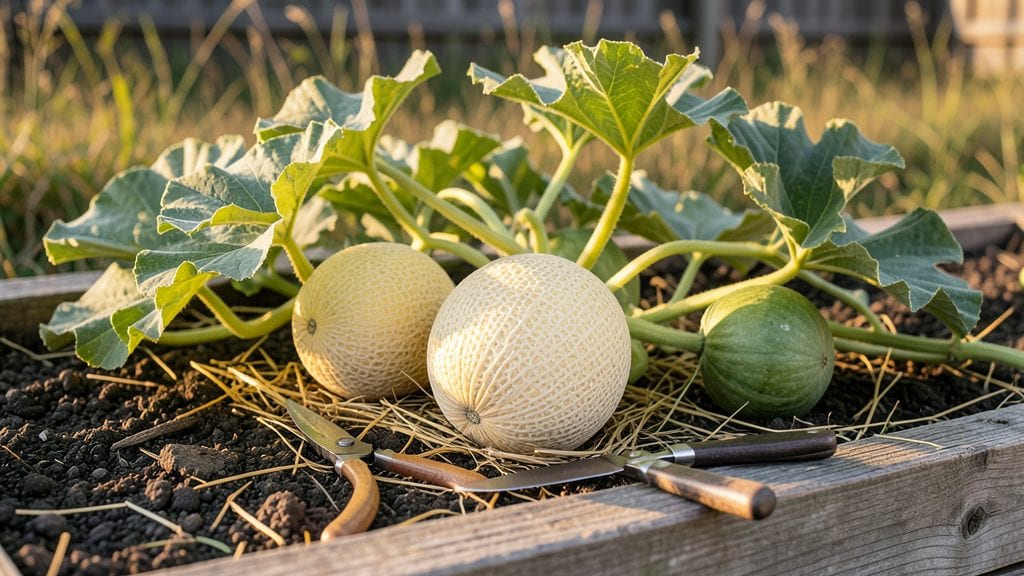
Knowing when to harvest cantaloupe from the garden is key—get it right, and you’ll enjoy a burst of sweet, juicy flavor, but miss the mark, and you’re left with a bland or mushy letdown.
Picking cantaloupes too early means bland, underripe fruit, while harvesting too late can leave you with overripe, mushy messes—so how do you know exactly when your cantaloupe is ready?
The answer lies in three simple but often overlooked cues: the color of the stem end, the texture of the rind, and the aroma near the blossom.
In USDA Zone 6a, where spring planting gives way to summer heat, timing is everything. Miss the window, and you risk fruit that never develops its signature sweetness or, worse, rots on the vine.
But with the right checks—like that telltale creamy net pattern on the skin or the way it slips free with a gentle twist—you’ll never second-guess your harvest again.
Here’s how to spot those three unmistakable signs of perfect ripeness, plus what to do if your cantaloupe isn’t quite there yet. No more guesswork, just flawless flavor.


3 Visual and physical signs your cantaloupe is perfectly ripe
Nothing beats the joy of harvesting a perfectly ripe cantaloupe straight from your garden—but timing is everything. One wrong move, and you could end up with fruit that's either too hard and bland or overly soft and seedy.
The key lies in understanding your cantaloupe's visual cues and physical signals. These three indicators will help you pick your melons at their peak, ensuring sweet, juicy perfection every time.
Cantaloupes don't ripen well after picking, so mastering these signs means the difference between a disappointing harvest and a summer full of homegrown flavor. Let's break down what to look for, starting with the most obvious clues that your cantaloupe is ready to be picked.
🍈 3 Unmistakable Signs Your Cantaloupe Is Perfectly Ripe
- 1. Stem End Color Change: The stem end (near where the fruit attaches to the vine) shifts from green to tan or beige. This creamy color signals natural ripening.
- 2. Gentle Stem Separation: The fruit should slip easily from the vine when gently twisted at the stem. If it resists, wait a day or two.
- 3. Sweet, Musky Aroma: A strong, sweet fragrance at the stem end means the sugars are peaking. If it smells faint or off, it's not ready.
Let's start with the most reliable visual cue: the rind color. A ripe cantaloupe's skin transforms from a dull green to a creamy, net-like pattern with a slightly waxy texture. This change happens gradually, so check your melons every 2-3 days during peak season.
Pay special attention to the blossom end (the opposite side of the stem)—it should turn from pale green to a golden-beige hue.
The stem separation test is another foolproof way to gauge ripeness. When your cantaloupe is ready, it should detach effortlessly from the vine when you apply gentle pressure near the stem. If it hangs on stubbornly, it needs more time.
Conversely, if it falls off too easily, it might be overripe. This test works best in the morning when temperatures are cooler, as heat can make the fruit more prone to falling prematurely.
Your nose plays a crucial role in determining ripeness. A perfectly ripe cantaloupe releases a sweet, musky aroma near the stem end—almost like a mix of honey and fresh-cut grass. If you don't detect this scent, your melon likely needs more time on the vine.
Pro tip: Sniff the stem end directly; the aroma is most concentrated there. This method is especially useful when dealing with multiple cantaloupes at different ripening stages.
Don't overlook the thump test, a classic trick that works surprisingly well. Hold the cantaloupe in one hand and tap it gently with your knuckles. A ripe cantaloupe will produce a deep, hollow sound, similar to knocking on a drum.
If it sounds dull, it's underripe; if it feels mushy when tapped, it's overripe. This test is particularly helpful when you're unsure about the other signs or when dealing with uneven ripening among your melons.
Weather plays a surprising role in cantaloupe ripening. Hot, dry days can accelerate the process, while cool, cloudy weather slows it down. If you're experiencing unseasonably hot temperatures, your cantaloupes may ripen faster than expected.
Keep a close eye on them and harvest earlier if they show multiple ripe signs. Conversely, if your summer has been cooler than usual, be patient—your melons might need extra time to reach peak ripeness.
One common mistake gardeners make is harvesting cantaloupes based on size alone. Just because a melon reaches a certain weight or diameter doesn't mean it's ripe. Some varieties grow larger but remain hard and bland inside. Always combine size with the other ripeness indicators we've discussed.
For example, a cantaloupe that's 6-8 inches in diameter with a creamy rind and sweet aroma is likely ready, while one of the same size that's still green and firm needs more time.
Once you've confirmed your cantaloupe is perfectly ripe, handle it with care. Use a sharp knife or pruners to cut the stem rather than twisting it off, which can damage the fruit.
Store ripe cantaloupes at room temperature until fully ripe (if not already), then move them to the fridge to slow further ripening. If you're not ready to eat it immediately, a ripe cantaloupe will keep for about 5-7 days in the refrigerator.
Mastering these three signs will transform your cantaloupe harvest from hit-or-miss to consistently perfect.
The next time you're standing in your garden with a basket in hand, take a moment to check for the cream-colored stem end, the gentle slip from the vine, and that irresistible sweet aroma. Your taste buds—and your dinner guests—will thank you.
How to test cantaloupe ripeness without guessing: a step-by-step guide
Testing cantaloupe ripeness doesn’t require guesswork—just a few simple checks. The stem end color, skin texture, and aroma all reveal whether your fruit is ready.
I’ve learned that ignoring these signs often leads to underripe, bland cantaloupes or overripe, mushy ones. Let’s break down the foolproof method I use every harvest season.
Start by examining the stem end, which is the most reliable indicator. A ripe cantaloupe will show a tan or beige color here, almost like a creamy blush. If it’s still green, your fruit needs more time.
Next, check the skin texture—it should feel firm but slightly yielding when gently pressed with your thumbnail. Overripe cantaloupes will feel soft or even mushy.
Step-by-Step Cantaloupe Ripeness Test
- 1. Check the Stem End: Look for a tan or beige color where the stem meets the fruit. If it’s still green, wait 2-3 more days.
- 2. Perform the Thump Test: Hold the cantaloupe and give it a gentle tap. A ripe one will sound hollow, like a drum. If it’s dull, it’s not ready.
- 3. Test the Skin Texture: Press your thumbnail into the skin. It should yield slightly but not feel mushy. Overripe fruit will dent easily.
- 4. Smell the Stem End: A ripe cantaloupe emits a sweet, musky aroma near the stem. If there’s no scent, it’s not ripe yet.
- 5. Check the Vine: Gently wiggle the fruit on the vine. If it slips free easily, it’s ready to harvest.
Don’t overlook the aroma test, which is often the most telling. A ripe cantaloupe will have a strong, sweet fragrance near the stem end. If you can’t smell anything, your fruit isn’t ready.
I’ve also noticed that cantaloupes ripen faster in hot, dry weather, so check them more frequently during heatwaves.
If your cantaloupe isn’t quite ripe yet, don’t panic. Leave it on the vine and check again in 2-3 days. Overripe cantaloupes can’t be saved—they develop a hollow center and lose flavor.
Once you’ve confirmed ripeness, harvest it gently by twisting the stem end until it separates cleanly from the vine.
For those who love data, keep a harvest journal to track ripening times based on your climate. Note the days from planting to harvest, soil temperature, and weather patterns. This helps you predict ripeness in future seasons and avoid the guesswork entirely.
Now that you know the exact signs, you’ll never second-guess cantaloupe ripeness again. Happy harvesting—and enjoy those sweet, juicy slices of summer! 🍈