
Picking
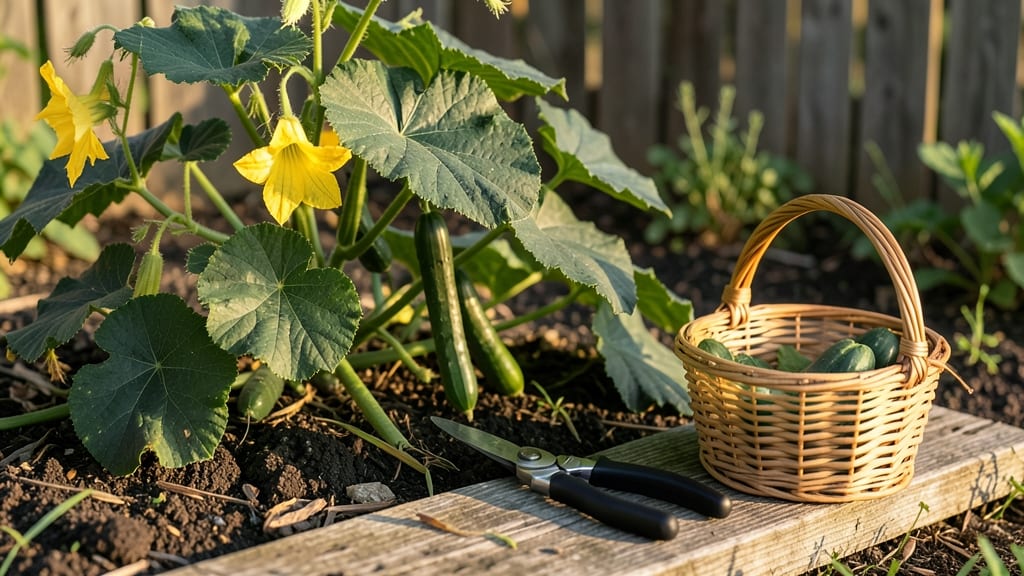
To pick cucumbers from your garden at the perfect time ensures crisp, flavorful harvests 🥒—not the bitter, seedy disappointments that come from waiting too long.
I’ve watched my own vines turn a once-thriving patch into a jungle of overripe cucumbers, all because I missed the subtle cues that tell you when to act.
The difference between a garden full of sweet, tender cucumbers and one struggling with pests and poor yield often comes down to timing.
Here’s what to watch for: size matters (slicing types hit 6-8 inches at peak), color shifts from bright green to deeper hues, and a slight give when you press.
But it’s not just about the cucumbers—weather, variety, and how often you harvest all play a role in keeping your plants productive.
Below, I’ll break down the exact signs to look for, how to check cucumbers without damaging the plant, and the simple tricks that keep your harvest coming all season long.
How cucumber size determines ripeness and flavor
Cucumber size is one of the most critical factors in determining when to pick cucumbers from your garden. Harvesting at the wrong stage can drastically alter flavor, texture, and even seed development.
For example, slicing cucumbers left too long on the vine develop bitter compounds called cucurbitacins, while pickling varieties lose their crispness if harvested too late. Understanding the ideal size range for each type ensures you enjoy the best crisp, sweet cucumbers possible.
The key to perfect cucumbers lies in their growth stage and intended use. Slicing varieties like 'Straight Eight' or 'Marketmore' reach peak flavor between 6–8 inches in length, while pickling types such as 'Boston Pickling' or 'Calypso' should be harvested at just 2–3 inches.
Ignoring these size guidelines often leads to disappointment—whether it’s a seedy, watery cucumber or one that’s too tough for fresh eating.
Here’s how size directly impacts flavor and texture:
Larger cucumbers (beyond 8 inches) often develop overripe textures, with thicker skins and larger seeds that disrupt the eating experience. Meanwhile, smaller cucumbers (under 4 inches) may lack the full sweetness and structural integrity that makes them ideal for salads or slicing.
Even the seed development changes as cucumbers grow—smaller seeds in early harvests contribute to a more tender bite, while larger seeds in overripe cucumbers create a grainy mouthfeel.
🌱
For slicing cucumbers, the 6–8 inch range is ideal because this is when their natural sugars peak and their skins remain tender. Varieties like 'Diva' or 'Sweet Success' are bred for this size, offering a perfect balance of crunch and juiciness.
If you wait too long, the cucumbers may start turning yellow or develop a waxy texture, signaling the onset of bitterness.
On the other hand, pickling cucumbers should never be allowed to grow beyond 3 inches. Their thin skins and small seeds are perfect for brining, but once they exceed this size, their texture becomes too fibrous and their flavor shifts from tangy to bland.
Heirloom varieties like 'National Pickling' are especially sensitive—harvesting them at the right size ensures they stay crisp even after pickling.
Another critical factor is seed development. In larger cucumbers, seeds grow bigger and harder, which can make them noticeable when eating. For example, a 10-inch cucumber might have seeds as large as peas, whereas a 6-inch slicing cucumber will have tiny, barely perceptible seeds.
This is why frequent harvesting is essential—it encourages the plant to produce more cucumbers with optimal seed size and flavor.
🌿
If you’re growing heirloom or specialty varieties, always check the seed packet for recommended harvest sizes. Some varieties, like 'Lemon Cucumber' or 'Armenian Cucumber', have unique growth patterns and may need to be picked at different stages.
For instance, Armenian cucumbers are typically harvested at 4–6 inches because they grow long and slender, while lemon cucumbers should be picked when they’re 3–4 inches to maintain their bright yellow color and delicate texture.
Finally, remember that harvest frequency plays a role in size control. Picking cucumbers regularly—every 2–3 days during peak production—prevents overgrowth and ensures a steady supply of fresh, flavorful cucumbers. This practice also reduces stress on the plant, leading to healthier vines and more abundant yields throughout the season.
✂️
Color and texture clues to harvest cucumbers at peak freshness
Timing your cucumber harvest isn’t just about size—color and texture reveal whether your cucumbers are at their peak flavor or past their prime. A deep green skin with just the right firmness means you’re harvesting at the perfect moment, while subtle shifts can signal overripeness.
Regional heat and humidity also play a role, so let’s break down the visual cues that guarantee crisp, sweet cucumbers every time.
Most gardeners focus on size and shape when harvesting, but color variations are equally critical. For example, slicing cucumbers should maintain a uniform dark green hue, while heirloom varieties like Lemon Cucumbers may develop pale yellow stripes when ripe.
Ignoring these color clues can lead to bitter-tasting cucumbers, especially in hot climates where cucurbitacin (a natural compound) accumulates faster.
- 🌱 Skin Color: Look for deep green (slicing types) or pale yellow-green (heirloom varieties). Avoid yellowing or brown patches, which signal overripeness or disease.
- 🤏 Texture: Press gently—ripe cucumbers should feel firm but slightly yielding. Waxy or dull skin means they’re past their prime, while soft spots indicate rot.
- 🌼 Bloom Development: Check the wilted flower at the stem end. If it’s dry and crispy, the cucumber is ready. A green or soft bloom means it needs more time.
- ✂️ Stem Separation: Twist gently—ripe cucumbers snap cleanly from the vine. A tough stem means it’s overripe, while a green stem end signals immaturity.
In hotter climates like the Southwest, cucumbers may ripen faster, so monitor them daily during peak season. Meanwhile, in cooler regions like the Pacific Northwest, color changes might take longer, so prioritize texture and bloom cues over color alone.
Pro tip: Harvest in the morning when cucumbers are coolest and firmest.
Regional humidity also affects texture—high humidity can make cucumbers softer faster, while dry heat may cause skin to toughen prematurely. If you’re unsure, slice one open: a thin, pale green skin that separates easily from the seeds is a foolproof sign of ripeness.
Overlooking these clues often leads to seedy, bitter cucumbers that ruin salads and pickles alike.
Paying attention to these color and texture signals ensures your harvest stays crisp, sweet, and abundant. The next time you’re in your garden, grab a cucumber and give it the squeeze test—your taste buds will thank you! 🥒