
Picking
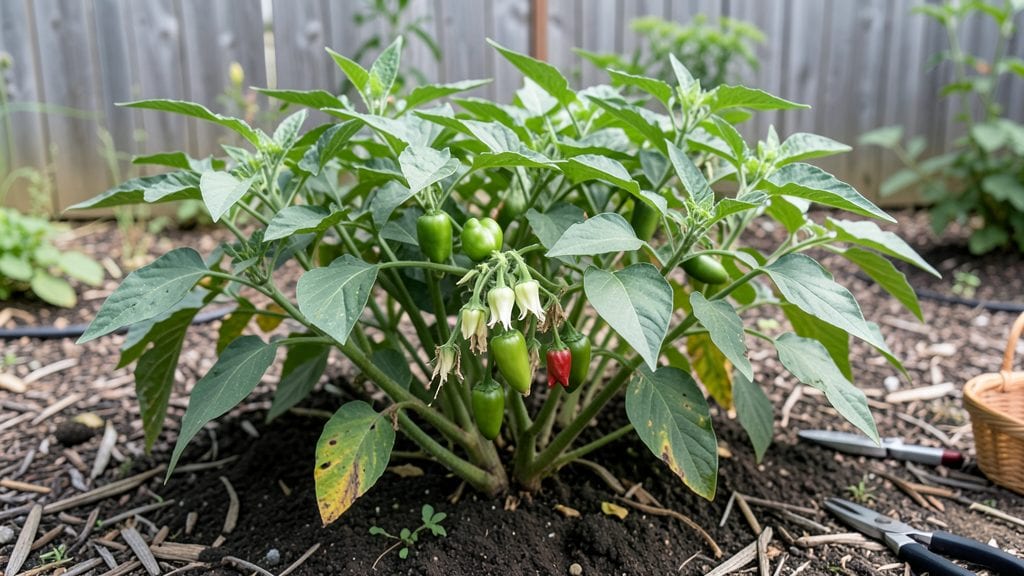
To pick jalapeños from your garden at their spiciest and most flavorful, watch for deep green skin and a length of 3-5 inches—but timing is everything.
Picking jalapeños at the right time ensures maximum heat, flavor, and yield—but knowing when they're ready can be tricky, even for experienced gardeners. One wrong move and you could end up with peppers that are too mild, too bitter, or even wasted on the vine.
In USDA Zone 6a, your spring-planted 🌶️ jalapeños will start ripening as early as July, but heat waves or cool snaps can throw off the schedule. The key is checking color, size, and firmness every few days once they reach 60 days after transplanting.
Here’s how to spot the perfect jalapeño, when to harvest for fresh eating vs. drying, and how to keep your plants producing all the way through October—so you don’t miss a single spicy bite.
How to identify jalapeño ripeness by color and size for optimal harvest
Harvesting jalapeños at the perfect moment transforms your garden into a spice treasure trove. The key lies in watching for three critical cues: color, size, and texture.
Green jalapeños pack a milder kick, while red ones deliver a sweeter, more complex heat profile. I’ve learned that timing isn’t just about color—it’s also about understanding your plant’s maturity signals.
For fresh eating, most gardeners pick jalapeños when they’re deep green and 3-5 inches long. This stage offers the best balance of heat and crispness. If you’re drying or fermenting, wait until they turn red or maroon—this signals peak sweetness and a more mellow spice.
My first harvest taught me that patience pays off, especially when aiming for dried peppers.
Here’s how to evaluate ripeness at a glance—because even experienced growers sometimes miss the subtle signs:
| Ripeness Stage | Color | Size | Texture | Best For |
|---|---|---|---|---|
| Immature | Pale green | Under 3 inches | Hard, no give | Discard or compost |
| Early Green | Deep green | 3-5 inches | Firm, slight give | Fresh eating, sautéing |
| Mature Green | Dark green | 4-6 inches | Thick, glossy skin | Pickling, fermenting |
| Fully Ripe | Red/maroon | 5-7 inches | Soft, wrinkled skin | Drying, long-term storage |
Size matters more than you think. A 3-inch jalapeno is often underripe, while a 5-inch pepper delivers the boldest flavor. I once harvested a batch at 4 inches, thinking they were perfect—only to realize they lacked the depth of flavor my neighbor’s 5-inch peppers had.
The difference? Maturity. Always measure length from the stem to the tip for accuracy.
Texture is your secret weapon. A ripe jalapeno should feel firm but slightly yielding when you gently squeeze it. If it’s rock-hard, it’s too early; if it’s mushy, it’s overripe.
Pro tip: Twist the pepper gently—it should snap cleanly from the stem. This tells me it’s ready for harvest without stressing the plant.
Color shifts are dramatic. Green jalapeños are hotter and crunchier, while red ones develop sweeter, fruity notes. The transition from green to red can take 2-4 weeks, depending on your climate.
In my Zone 8 garden, peppers often turn red by late September, but cooler summers delay this process.
Harvesting for drying? Wait until the peppers turn fully red. The longer they stay on the vine, the more complex their flavor becomes. I’ve found that dried jalapeños from red peppers have a smoky depth that green ones simply can’t match.
For fresh use, though, early green peppers are my go-to for quick cooking.
Regional climate plays a huge role. In hotter climates (Zones 9-10), peppers ripen faster and may turn red earlier. Cooler zones like mine (Zone 7-8) often need extra time.
Pay attention to your local frost dates—if the first frost is October 30, as in my area, I prioritize harvesting red peppers by mid-October to avoid losing the crop.
One mistake I made early on was harvesting based solely on size. I picked 4-inch green peppers thinking they were perfect, only to realize their heat was underwhelming.
Now, I combine all three cues: color, size, and texture. This three-step check ensures I never miss peak ripeness again.
For continuous harvests, pick peppers every 2-3 days during peak season. This encourages the plant to produce more fruit. I’ve seen my jalapeño plants yield up to 30 peppers per season when harvested regularly. The key is balance—don’t over-pick, or the plant will focus on leaves over fruit.
🌱 If you’re unsure, harvest a few peppers at different stages and taste-test them. Your palate will become the best ripeness indicator over time. Happy harvesting!
Common mistakes that cause premature or overripe jalapeño harvests
Even with the best intentions, many gardeners accidentally harvest jalapeños too early or too late, which can ruin their flavor and heat levels.
Picking underripe peppers means missing out on their signature spice, while waiting too long can lead to bitter, tough peppers that lack the crisp texture we love.
These mistakes often happen because we don’t recognize the subtle signs of perfect ripeness or ignore how environmental factors like temperature and sunlight speed up or slow down maturation.
One of the biggest red flags is harvesting jalapeños based on size alone. While a 3-5 inch length is ideal, peppers can still be underdeveloped inside if they’re pale green or feel hollow when tapped.
Overripe peppers, on the other hand, may turn deep red or maroon, but their walls thicken and their flesh becomes rubbery. Both scenarios waste your hard work and can even stress your plants if you’re not harvesting at the right intervals.
⚠️ Warning: Don’t Harvest Too Early or Too Late!
Premature harvests (peppers < 3 inches or pale green) lack capsaicin, the compound that gives jalapeños their heat. Overripe peppers (deep red/maroon, rubbery) lose flavor and become bitter. Check for firmness and a thickened stem—these are your best indicators of readiness!
Pro Tip: If your peppers are turning red too quickly, your plants may be overripe due to heat stress. Harvest them at deep green for maximum spice.
Temperature plays a huge role in ripening timing. Jalapeños thrive in warmth (70-85°F), but extreme heat or sudden cold snaps can throw off their development. If your garden experiences unusually hot days, peppers may ripen faster, turning red before reaching full size.
Conversely, cool nights (below 60°F) can slow ripening, leaving you with small, underdeveloped peppers. Pay attention to your local frost dates—if frost is approaching, prioritize harvesting even if peppers aren’t fully ripe to avoid losing your crop entirely.
Sunlight is another critical factor. Jalapeños need 6+ hours of direct sun daily to develop properly. If your plants are shaded—even partially—their peppers may stay small, pale, and underdeveloped.
I once had a jalapeño plant near a tall fence that produced peppers with half the usual heat because it only got 4 hours of sun. To fix this, prune nearby plants or relocate your jalapeños to a sunnier spot early in the season before they set fruit.
Another common mistake is harvesting inconsistently. Jalapeño plants produce continuously, and if you wait too long between pickings, they’ll focus energy on a few overripe peppers instead of producing new ones. Aim to harvest every 2-3 days during peak production (summer) to encourage more fruit.
Use sharp scissors or pruners to snip peppers at the stem—never pull them, which can damage the plant.
Finally, don’t ignore the texture test. A perfectly ripe jalapeño should feel firm but slightly yielding when gently squeezed. If it’s rock-hard, it’s not ready; if it’s mushy, it’s past its prime. This simple check saves you from ending up with bland or bitter peppers.
Store freshly picked jalapeños in a cool, dark place (like a pantry) for up to a week, or freeze them for long-term use to preserve their heat and flavor.