
Planting
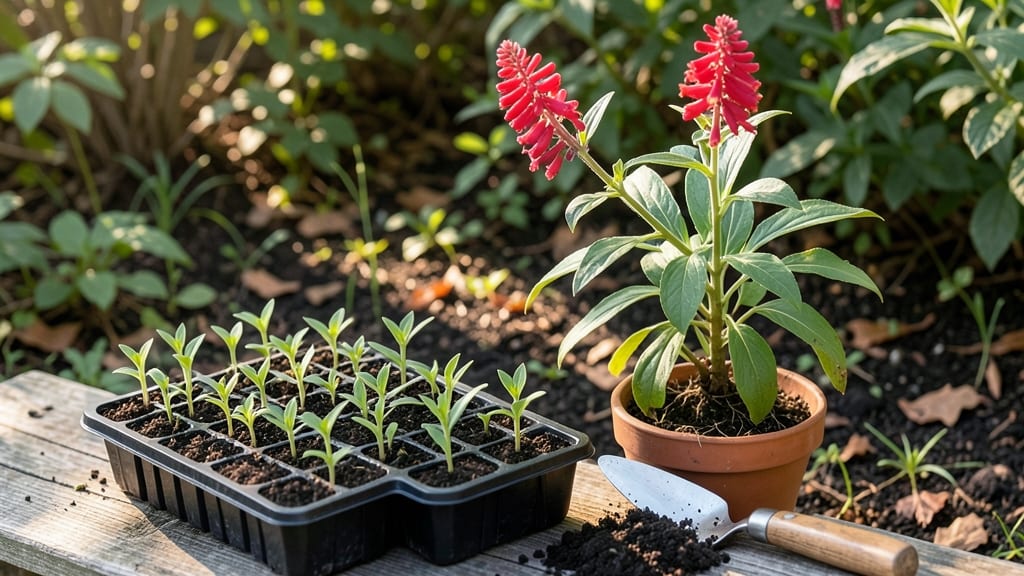
Planting your garden in West Virginia at the right time ensures you beat frost and enjoy a thriving harvest 🌱 — and the best window is a moving target depending on whether you’re in the mountains or the valleys.
West Virginia’s climate swings from icy highlands to warm river valleys, meaning your neighbor’s perfect planting time might leave your seedlings shivering. One wrong move—like planting too early in the Appalachians or too late in the Kanawha Valley—and you could end up with bolted lettuce or stunted tomatoes.
Here’s the secret: timing isn’t just about the calendar—it’s about soil temperature, frost dates, and knowing whether you’re in Zone 5b or 7a. I’ll break down the exact months to plant by region, plus pro tips to stretch your growing season and avoid common mistakes.
By the end, you’ll know exactly when to pop those seeds in the ground—whether you’re growing cool-season greens in March or heat-loving peppers in June—and how to protect your plants if Mother Nature throws a curveball.
West Virginia planting zones: frost dates and last spring/first fall frost timelines
West Virginia spans USDA Hardiness Zones 5b through 7a, creating a patchwork of planting opportunities. The Appalachian Mountains in the east (like Pocahontas County) can see earlier frosts than the river valleys near Charleston or Huntington.
These differences mean your last spring frost could arrive weeks apart—even just 20 miles away. Understanding your exact zone helps you avoid late-season losses or stunted growth from premature planting.
In Zone 5b (northern WV), gardeners often wait until mid-May for warm-season crops, while Zone 7a (southern WV) may start planting tomatoes and peppers in early April. The first fall frost also shifts dramatically: late September in the mountains versus mid-November in the valleys.
This guide breaks down the average frost dates by zone, plus microclimate exceptions to help you plan like a pro.
⚠️ Pro Tip: Check your exact location on the USDA Plant Hardiness Zone Map—even a 100-foot elevation change can shift your frost dates by 1-2 weeks. Use local agricultural extension offices or weather stations for hyper-local data.
West Virginia Planting Zones: Frost & Planting Timelines
| Zone | Last Spring Frost | First Fall Frost | Best Planting Window | Microclimate Notes |
|---|---|---|---|---|
| 5b (North) | April 20–May 5 | October 5–15 | Mid-May to June 1 | Mountains (e.g., Pocahontas): 2 weeks earlier. |
| 6a (Central) | April 10–20 | October 15–25 | April 20 to June 15 | Valleys (e.g., Morgantown): 1 week later. |
| 6b (Southern) | March 25–April 10 | October 25–November 5 | March 30 to June 30 | River valleys (e.g., Charleston): 3 weeks later. |
| 7a (Extreme South) | March 10–20 | November 10–20 | March 1 to July 1 | Longest growing season; fall crops thrive until November. |
In Zone 5b, where average lows dip to -15°F, gardeners often start cool-season crops like spinach and peas indoors in February for transplanting after the last frost.
Meanwhile, Zone 7a gardeners can direct-sow warm-season crops like cucumbers as early as March 15—a full 6 weeks earlier than their northern counterparts. The key is soil temperature: most seeds need 50°F+ soil to germinate, while tomatoes and peppers prefer 60°F+.
For high-elevation areas (like Lewisburg or Beckley), the first fall frost can arrive as early as September 20, cutting short the growing season. Here, fast-maturing varieties (e.g., bush beans or radishes) are your best bet.
In river valleys, where urban heat islands delay frost, you might squeeze in a second planting of basil or lettuce in late August.
🌱
Best months to plant vegetables, flowers, and herbs in WV by Zone
West Virginia’s USDA zones 6a–7a create a unique gardening challenge with last frost dates ranging from early April in river valleys to late May in highland areas. Timing your cool-season crops like spinach and warm-season favorites such as tomatoes requires precision.
I’ve broken down the best planting windows for each category, plus succession planting strategies to keep your harvests flowing all year.
For Zone 6a (northern WV and high elevations), aim to plant cool-season crops like kale and peas in early spring (March–April) and late summer (August–September).
In Zone 7a (southern WV and river valleys), you can push warm-season crops like peppers and squash slightly later, often into June for a longer harvest window. Perennials like lavender and asparagus have their own ideal timing too.
⚠️ Critical Tip: Always check your local last frost date—it can vary by 2–4 weeks even within the same county!
🌱 WV Planting Calendar by Zone & Crop Type
- 🥬 Cool-Season Veggies (Spinach, Kale, Peas, Lettuce)
Zone 6a: March 15–April 15 (spring) & August 15–September 15 (fall)
Zone 7a: March 1–April 30 (spring) & August 1–October 1 (fall) - 🍅 Warm-Season Veggies (Tomatoes, Peppers, Squash, Cucumbers)
Zone 6a: May 1–June 15 (after last frost)
Zone 7a: April 15–June 1 (earlier start possible) - 🌼 Flowers (Marigolds, Zinnias, Lavender)
Zone 6a–7a: April 15–May 30 (annuals) or fall (September) for perennials like lavender - 🌿 Herbs (Basil, Cilantro, Dill)
Zone 6a: April 15–May 15 (basils) or August 1–September 15 (cilantro)
Zone 7a: March 15–June 1 (extended season) - 🌱 Perennials (Asparagus, Rhubarb, Strawberries)
Zone 6a–7a: Spring (April–May) for crowns; fall (September) for bare-root plants
💡 Pro Tip: Use succession planting—sow lettuce every 2 weeks in spring/fall to avoid bolting.
If you’re growing tomatoes in Zone 6a, wait until mid-May to avoid late spring frosts that can devastate young plants. In Zone 7a, you can start peppers indoors in March and transplant by April 15 for an early harvest.
For herbs like basil, which hates cold, hold off until soil temps hit 55°F+—usually late April to early May.
For succession planting, try sowing bush beans every 2 weeks from May to July in both zones. This ensures a steady supply instead of one big harvest. Spinach and kale are forgiving—you can even plant them in late summer for a fall/winter harvest before the first frost.
Don’t forget perennials! Asparagus crowns should go in spring (April–May), while lavender thrives when planted in early fall (September) for strong root establishment. Both will reward you with years of low-maintenance growth.
🌿 Final Tip: Mark your calendar for local frost dates—they’re your garden’s best friend for timing!